

Introduction to Frac Sand Pneumatic Conveying Systems and Their Structural Principles
HeadPowder, a prominent enterprise based in Shandong, China, specializes in the design, manufacturing, and supply of advanced frac sand pneumatic conveying systems. These systems are crucial for the efficient and reliable transportation of frac sand, a critical component in hydraulic fracturing operations within the oil and gas industry. The company's commitment to innovation and quality ensures that its solutions meet the stringent demands of modern fracturing processes, providing clients with reliable and high-performance equipment.
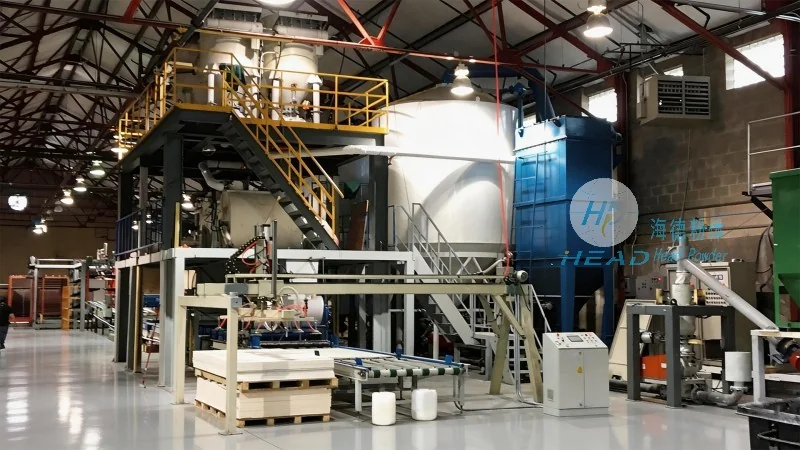
Overview of Frac Sand Pneumatic Conveying Systems
Frac sand pneumatic conveying systems are engineered to transport frac sand from storage silos or bulk containers to well sites or processing facilities. These systems utilize compressed air or other gases to move the sand particles through a network of pipes, eliminating the need for traditional mechanical conveyors that may suffer from wear and tear or maintenance issues. The primary advantage of pneumatic conveying is its ability to handle abrasive materials like frac sand without compromising system longevity, making it an ideal choice for demanding applications in the oil and gas sector.
Structural Principles and Working Mechanism
The core structure of a typical frac sand pneumatic conveying system consists of several key components, each playing a vital role in the overall operation. The system begins with a hopper or silo that stores the frac sand, equipped with a feeder mechanism to control the flow rate. The feeder then directs the sand into a conveying line, where it is mixed with air under pressure. This mixture travels through the pipeline, with the air providing the necessary force to transport the sand particles. At the receiving end, a separator or cyclone separates the sand from the air, allowing the sand to be deposited into a collection bin or directly to the well site. The air, now free of sand particles, is either filtered and recirculated or vented to the atmosphere, depending on the system design.
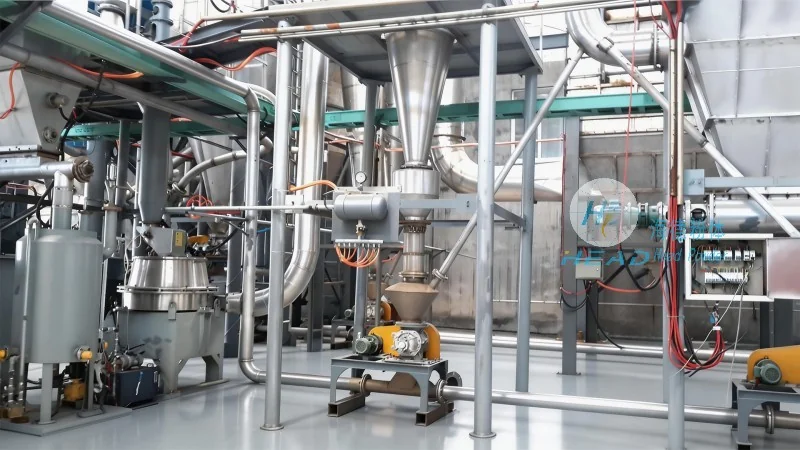
Key Components and Their Functions
Several critical components make up the functionality of a frac sand pneumatic conveying system. The air compressor or blower generates the necessary pressure to move the sand through the system, with options ranging from positive displacement blowers to centrifugal compressors, depending on the system's capacity and pressure requirements. The conveying line itself is typically made of durable materials such as stainless steel or high-density polyethylene (HDPE) to withstand the abrasive nature of frac sand and the pressure of the air flow. The feeder system, often a rotary valve or a screw feeder, ensures a consistent and controlled flow of sand into the conveying line, preventing blockages and maintaining system efficiency. The separator, commonly a cyclone or a baghouse filter, effectively separates the sand from the air, with the cyclone using centrifugal force to separate particles based on size and density, while the baghouse filter captures fine dust particles for environmental compliance.
Advantages of Frac Sand Pneumatic Conveying Systems
Implementing a frac sand pneumatic conveying system offers numerous benefits to oil and gas operators. Firstly, it significantly reduces labor costs by automating the sand transportation process, minimizing the need for manual handling and reducing the risk of workplace injuries. Secondly, the system enhances operational efficiency by providing a continuous and reliable flow of frac sand, ensuring that well sites receive the necessary material without delays. Thirdly, pneumatic conveying minimizes material loss and contamination, as the enclosed system prevents sand from being exposed to the environment or mixed with other materials. Additionally, the system is highly scalable, allowing operators to adjust the conveying capacity based on their specific needs, from small-scale operations to large-scale fracturing projects. Finally, the reduced maintenance requirements compared to traditional mechanical conveyors result in lower operational costs and increased system uptime.
Application in Hydraulic Fracturing Operations
In hydraulic fracturing, the efficient delivery of frac sand is essential for achieving optimal well performance. The pneumatic conveying system ensures that the sand is delivered to the well site in a controlled manner, with the correct quantity and quality. This is crucial because the sand's proppant properties, such as grain size, shape, and crush resistance, directly impact the effectiveness of the fracturing treatment. By using a pneumatic conveying system, operators can maintain the integrity of the sand, preventing it from being damaged or contaminated during transportation. This leads to better fracture conductivity and improved oil and gas recovery rates, ultimately enhancing the economic viability of the well.
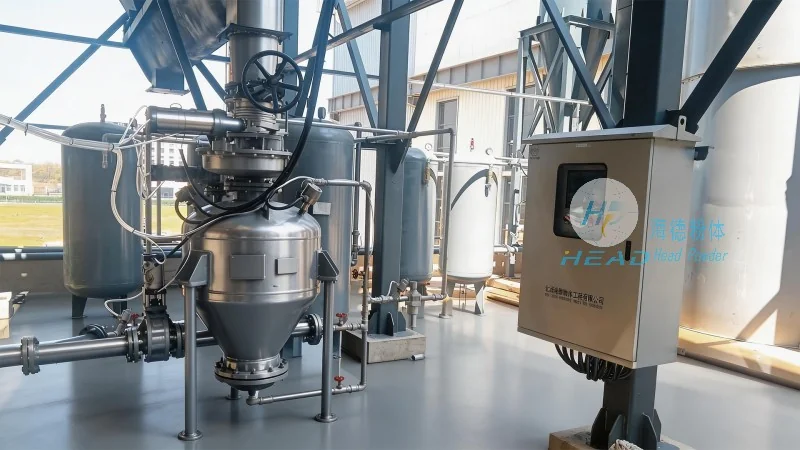
Customization and Integration with Existing Infrastructure
HeadPowder understands that each oil and gas operation has unique requirements, and therefore, offers customized frac sand pneumatic conveying systems tailored to specific project needs. The company works closely with clients to assess their existing infrastructure, such as storage silos, well site layouts, and operational constraints, to design a system that integrates seamlessly with their current setup. Customization may include adjustments to the conveying line length, pressure levels, or component specifications to meet the specific demands of the project. Additionally, HeadPowder provides comprehensive support, including installation, commissioning, and after-sales service, ensuring that the system operates at peak efficiency and meets all regulatory requirements.
Conclusion
HeadPowder's frac sand pneumatic conveying systems represent a cutting-edge solution for the transportation of frac sand in the oil and gas industry. By leveraging advanced structural principles and efficient working mechanisms, these systems provide reliable, efficient, and cost-effective solutions for operators. With a focus on quality, innovation, and customer satisfaction, HeadPowder continues to be a leader in providing pneumatic conveying solutions that meet the evolving needs of the industry. The company's commitment to excellence ensures that clients receive not only high-performance equipment but also comprehensive support throughout the entire lifecycle of their frac sand conveying systems.