

Introduction to Dry Sludge Pneumatic Conveying Systems: Structure and Working Principles
Understanding the dry sludge pneumatic conveying system is crucial for efficient waste management and environmental protection. This technology offers a reliable method for transporting dry sludge, which is a byproduct of wastewater treatment processes. The system's design and operational principles are tailored to handle the unique characteristics of dry sludge, ensuring safe and effective material transfer.
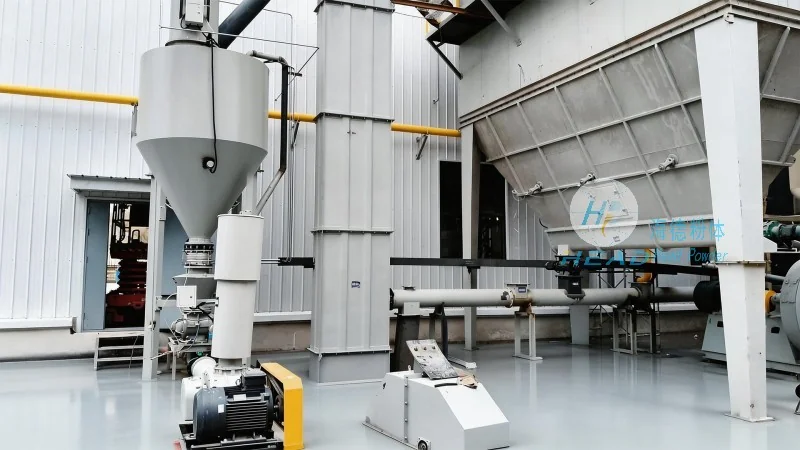
Overview of Dry Sludge Pneumatic Conveying Systems
Dry sludge, typically produced from the dewatering stage of wastewater treatment, requires specialized handling due to its low moisture content and potential for dust generation. The pneumatic conveying system addresses these challenges by using air as the conveying medium. Unlike traditional methods like trucks or belts, this system provides a closed-loop operation that minimizes environmental impact and enhances safety. The core components of the system include a sludge feed hopper, a conveying pipeline, a pneumatic pump or blower, and a discharge unit. Each component works in synergy to ensure smooth and continuous sludge transport.
Structural Components and Working Principles
The structure of a dry sludge pneumatic conveying system is engineered to optimize performance and durability. The sludge feed hopper is designed to store and feed dry sludge into the system at a controlled rate. This hopper often features a screw feeder or a rotary valve to regulate the flow of material, preventing blockages and ensuring consistent operation. The conveying pipeline is typically made of corrosion-resistant materials such as stainless steel or PVC, which are suitable for handling sludge and preventing contamination. The pipeline layout is carefully planned to minimize pressure losses and ensure efficient air-sludge mixture movement. The pneumatic pump or blower is the heart of the system, generating the necessary air pressure to move the sludge through the pipeline. It can be either a positive displacement blower or a centrifugal fan, selected based on the system's capacity and pressure requirements. The discharge unit, located at the end of the pipeline, separates the sludge from the air and collects the material for further processing or disposal. This unit may include a cyclone separator or a filter to ensure clean air release and proper sludge collection.
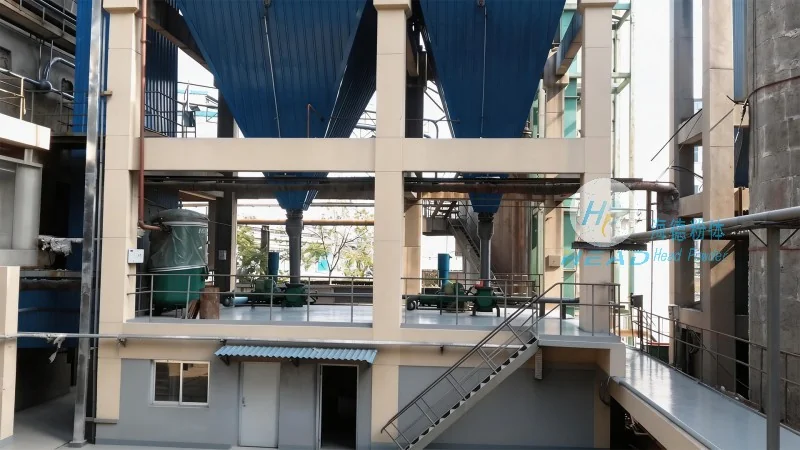
Advantages of Dry Sludge Pneumatic Conveying
Implementing a dry sludge pneumatic conveying system offers several advantages over conventional transport methods. Firstly, it provides a fully enclosed system, reducing dust emissions and minimizing the risk of environmental contamination. This is particularly important for dry sludge, which can be a source of airborne particles. Secondly, the system is highly efficient in terms of energy consumption and operational costs. By using air as the conveying medium, it eliminates the need for heavy machinery like trucks, reducing fuel costs and maintenance expenses. Thirdly, the system offers flexibility in terms of pipeline layout, allowing for long-distance transport without the need for intermediate storage or transfer points. This makes it suitable for large-scale wastewater treatment plants with complex site layouts. Additionally, the system is relatively low-maintenance, with components designed for durability and ease of repair. The closed-loop operation also helps in maintaining hygiene standards, as the sludge is contained within the system throughout the transport process.
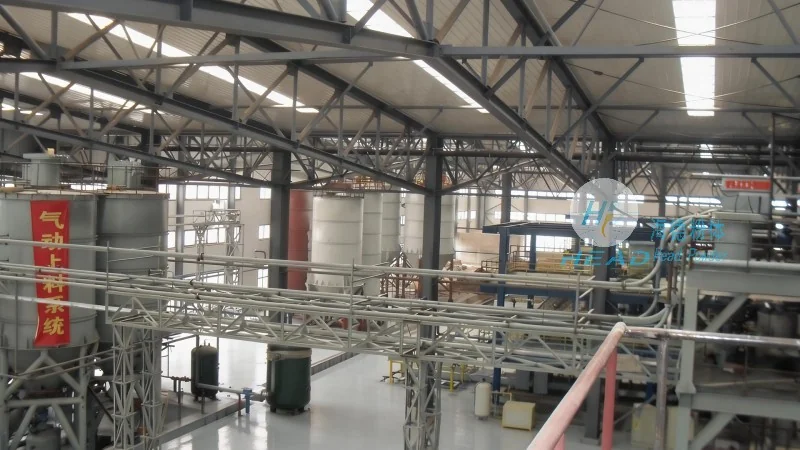
Application and Industry Impact
Dry sludge pneumatic conveying systems are widely used in municipal and industrial wastewater treatment facilities. They are particularly beneficial for plants that produce large volumes of dry sludge, as they can handle high throughput rates while maintaining efficiency. The system's ability to transport sludge over long distances makes it ideal for plants located in remote areas or with limited space for on-site storage. In addition to wastewater treatment, this technology can be applied in other industries where dry bulk materials need to be transported, such as in the food processing or chemical sectors. The consistent performance of the system ensures that the sludge is delivered to the next stage of processing without degradation, maintaining the quality of the end product. The adoption of such systems contributes to the overall sustainability of waste management practices, aligning with environmental regulations and reducing the carbon footprint of waste handling operations.
About Shandong HeadPowder Engineering Co., Ltd.
Shandong HeadPowder Engineering Co., Ltd., operating under the brand name headpowder, is a leading manufacturer of advanced material handling solutions, including dry sludge pneumatic conveying systems. With a strong focus on innovation and quality, the company has established itself as a trusted partner in the wastewater treatment industry. HeadPowder's products are designed to meet the specific needs of clients, offering customized solutions that enhance operational efficiency and environmental compliance. The company's headquarters is located in Shandong, China, where it leverages local expertise and resources to develop cutting-edge technologies. HeadPowder is committed to providing reliable and durable equipment that contributes to the sustainable management of sludge and other bulk materials. Through continuous research and development, the company ensures that its products remain at the forefront of industry standards, delivering long-term value to its customers.