

[LITHIUM COBALT OXIDE PNEUMATIC CONVEYING SYSTEM: AN OVERVIEW OF ITS STRUCTURE AND WORKING PRINCIPLE
Lithium cobalt oxide (LiCoO₂) is a critical component in the production of lithium-ion batteries, widely used in electric vehicles, portable electronics, and renewable energy storage systems. The efficient and safe handling of LiCoO₂ powder is essential for maintaining product quality and operational safety in manufacturing facilities. Pneumatic conveying systems have emerged as a preferred method for transporting this sensitive material due to their ability to minimize dust exposure, prevent contamination, and ensure precise dosing. This article provides a detailed introduction to the lithium cobalt oxide pneumatic conveying line, covering its structural components, operational principles, and key considerations for implementation.
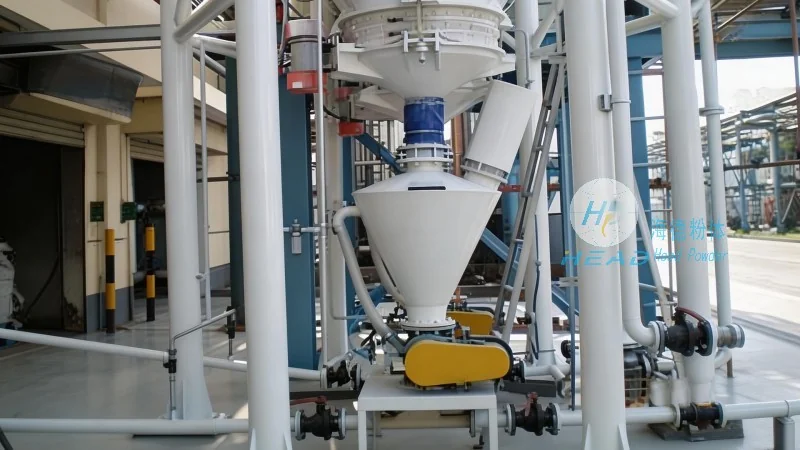
Key Components of the Lithium Cobalt Oxide Pneumatic Conveying System
The lithium cobalt oxide pneumatic conveying system is composed of several integrated components that work in tandem to achieve reliable material transport. The primary components include the material feed hopper, rotary airlock valve, air compressor or blower, conveying pipeline, dust collector, and product discharge unit. Each component plays a vital role in the overall system performance and safety.
The material feed hopper is designed to store and feed LiCoO₂ powder into the system. It typically features a conical or rectangular shape with a smooth interior to prevent material buildup and ensure consistent flow. The hopper is equipped with a level indicator and a discharge valve to control the material release rate. A rotary airlock valve is installed at the outlet of the hopper to prevent backflow and maintain airtight sealing, which is crucial for preventing dust leakage and maintaining system pressure.
The air compressor or blower generates the airflow necessary to transport the LiCoO₂ particles through the pipeline. The choice of compressor type depends on the system's capacity, pressure requirements, and the specific characteristics of the material. For LiCoO₂, which is a fine powder with low bulk density, a positive displacement blower or a high-pressure air compressor is often used to ensure sufficient velocity to overcome particle settling and maintain a stable flow.
The conveying pipeline is constructed from materials that are resistant to corrosion and compatible with the LiCoO₂ powder. Common materials include stainless steel, PTFE-coated tubing, or food-grade plastic, depending on the application and environmental conditions. The pipeline is typically arranged in a straight or slightly inclined configuration to facilitate gravity-assisted flow, reducing the energy consumption of the system.
The dust collector is a critical safety component that captures any airborne particles that may escape from the system. It is usually a cyclone or a baghouse filter, designed to remove fine dust from the exhaust air. The collected dust is then returned to the feed hopper or disposed of according to regulatory requirements, ensuring compliance with environmental standards.
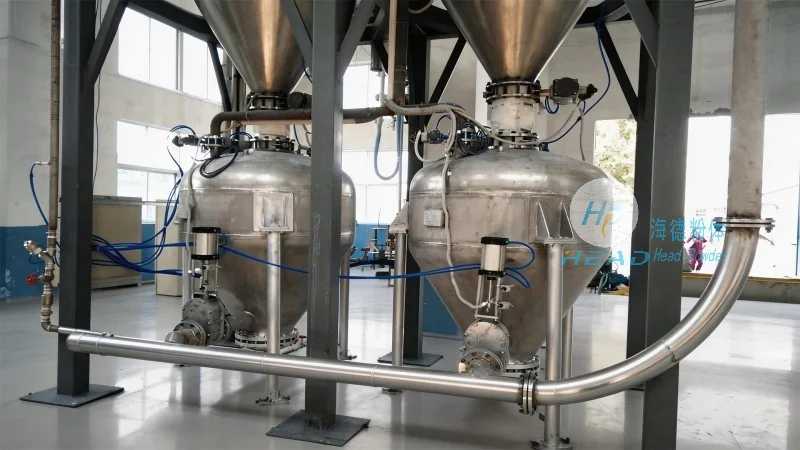
The product discharge unit is where the LiCoO₂ powder is deposited at the receiving end of the system. It may include a surge bin, a rotary valve, or a direct discharge into a storage silo. The unit is designed to prevent material spillage and ensure accurate dosing for downstream processes, such as mixing or packaging.
Working Principles of the Lithium Cobalt Oxide Pneumatic Conveying System
The operation of the lithium cobalt oxide pneumatic conveying system follows a sequential process that involves material feeding, air compression, particle suspension, and discharge. The system operates under positive pressure, where the air compressor forces air into the conveying pipeline, creating a flow that lifts and transports the LiCoO₂ particles.
When the rotary airlock valve opens, LiCoO₂ powder from the hopper falls into the pipeline, where it is entrained by the high-velocity air stream. The air velocity must be sufficient to overcome the particle's terminal velocity and maintain a stable suspension. The pipeline design, including its diameter and length, is optimized to ensure that the particles remain suspended throughout the conveying process, preventing deposition and blockages.
As the mixture travels through the pipeline, it reaches the dust collector, where the air is separated from the solid particles. The air is then discharged to the atmosphere, while the collected LiCoO₂ is returned to the system or disposed of. The discharge unit then receives the purified powder, which is then transferred to the next stage of the manufacturing process.
Structural Design Considerations for Safety and Efficiency
When designing a lithium cobalt oxide pneumatic conveying system, several factors must be considered to ensure optimal performance, safety, and compliance with industry standards. These include material compatibility, pressure management, and dust control. The system must be constructed from materials that are resistant to the chemical properties of LiCoO₂, such as corrosion from moisture or acids, to prevent contamination and equipment failure.
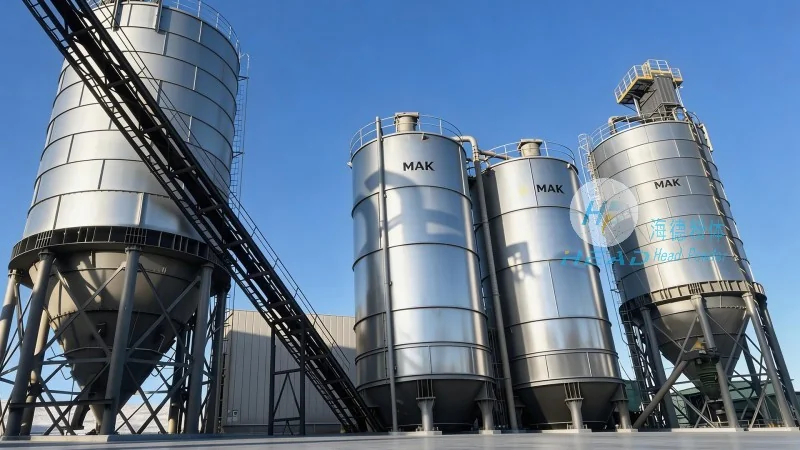
Pressure management is critical to prevent over-pressurization, which can lead to system failures or accidents. The system is equipped with pressure relief valves and monitoring devices to maintain safe operating pressures. Additionally, the pipeline is designed with appropriate bends and elbows to minimize pressure losses and ensure consistent airflow.
Dust control is a major concern in LiCoO₂ handling due to the material's fine particle size and potential for respiratory hazards. The system incorporates multiple dust collection points, including the rotary airlock valve, pipeline, and dust collector, to capture all airborne particles. Regular maintenance and cleaning of the dust collector are essential to maintain its efficiency and prevent clogging.
Application and Benefits in Battery Manufacturing
The lithium cobalt oxide pneumatic conveying system is widely used in the battery manufacturing industry for its ability to handle sensitive materials with precision and minimal contamination. The system's benefits include improved product quality, reduced labor costs, and enhanced safety compared to traditional manual handling methods. By minimizing dust exposure, the system helps maintain the purity of LiCoO₂, which is crucial for achieving high battery performance and longevity.
In addition to quality control, the pneumatic conveying system offers operational flexibility, allowing for easy integration with existing production lines and scalability to meet increasing demand. The system's ability to handle varying material flow rates and particle sizes makes it suitable for different stages of the battery manufacturing process, from raw material handling to final product packaging.
Conclusion
The lithium cobalt oxide pneumatic conveying system is a sophisticated and essential component in the production of lithium-ion batteries. Its structural design, operational principles, and safety features make it an ideal solution for handling LiCoO₂ powder efficiently and safely. By understanding the key components and working principles of this system, manufacturers can optimize their processes, improve product quality, and ensure compliance with industry standards. As the demand for lithium-ion batteries continues to grow, the importance of reliable and efficient material handling systems like the lithium cobalt oxide pneumatic conveying line will only increase.