

Operation Process and Working Principle of Resin Sand Material Pneumatic Conveying Equipment
Resin sand is a critical material in foundry production, and the efficient handling of this material directly impacts the productivity and quality of casting processes. Pneumatic conveying equipment, particularly for resin sand, offers a solution that combines automation, reliability, and flexibility. This article delves into the operation process and working principles of such equipment, providing insights into how it enhances material handling in industrial settings.
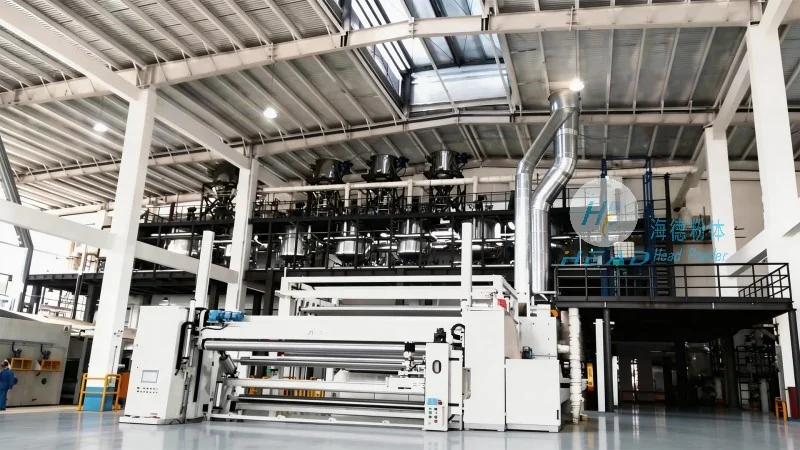
About HeadPowder
HeadPowder, a leading manufacturer in the field of material handling equipment, specializes in the design, development, and production of pneumatic conveying systems tailored for resin sand applications. With a strong commitment to innovation and quality, the company has established itself as a trusted partner for foundry industries worldwide. HeadPowder's products are engineered to meet the specific demands of resin sand processing, ensuring optimal performance and durability.
System Components of Pneumatic Conveying Equipment
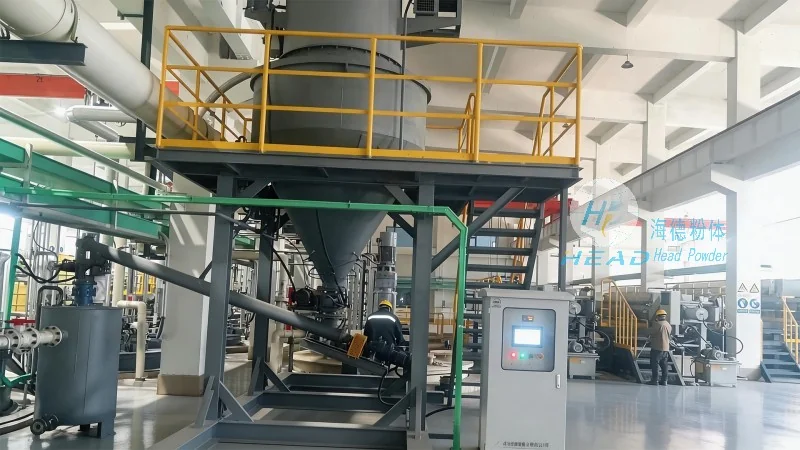
The pneumatic conveying system for resin sand typically consists of several key components that work in tandem to achieve efficient material transport. These components include the hopper, which serves as the material storage and feeding unit; the air compressor or blower, responsible for generating the air pressure needed for conveying; the pipeline network that transports the material; and the control system that regulates the operation of the entire process. Each component plays a crucial role in maintaining the system's efficiency and reliability.
Operation Process of Resin Sand Pneumatic Conveying
The operation process of the resin sand pneumatic conveying equipment begins with the loading of resin sand into the hopper. The hopper is equipped with a feeding mechanism, such as a rotary valve or a screw feeder, which controls the flow rate of the material into the pipeline. Simultaneously, the air compressor starts, generating the necessary air pressure. The air and material are then mixed in the pipeline, where the air flow propels the resin sand particles forward. The conveying process continues until the material reaches the discharge point, where it is deposited into the target container or processing unit. The control system monitors the pressure, flow rate, and material level, ensuring that the operation runs smoothly and safely.
Working Principle of the Pneumatic Conveying System
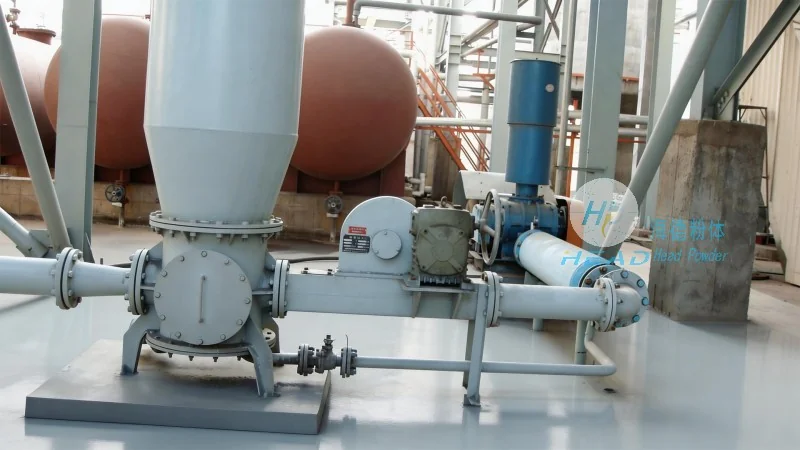
The working principle of the pneumatic conveying system relies on the principles of fluid dynamics and particle transport. When air is introduced into the pipeline, it creates a pressure differential that moves the resin sand particles. The system can operate in either positive pressure or negative pressure modes. In positive pressure systems, the air compressor pushes air into the pipeline, creating a higher pressure than the ambient environment, which forces the material to move. In negative pressure systems, the air is drawn out of the pipeline, creating a vacuum that pulls the material. The choice between these modes depends on the specific application and the distance and layout of the conveying system. The key to efficient conveying is maintaining an appropriate air-to-material ratio, which ensures that the particles are adequately suspended and transported without causing blockages or excessive wear on the equipment.
Technical Features and Advantages
HeadPowder's pneumatic conveying equipment for resin sand is designed with several technical features that enhance its performance and reliability. The equipment is equipped with advanced control systems that allow for precise regulation of the material flow and air pressure, minimizing energy consumption and maximizing efficiency. The use of high-quality materials, such as stainless steel and corrosion-resistant components, ensures durability and longevity, even in harsh industrial environments. Additionally, the system is designed for easy maintenance and cleaning, reducing downtime and operational costs. The equipment also offers flexibility in terms of conveying distance and layout, making it suitable for various foundry setups. These features make the pneumatic conveying system an ideal solution for resin sand handling, contributing to improved productivity and reduced material loss.
Application Scenarios
The pneumatic conveying equipment for resin sand is widely used in various foundry applications, including sand mixing, molding, and casting processes. It is particularly useful in large-scale foundries where the handling of large volumes of resin sand is required. The equipment can be integrated into existing production lines, or it can be used as a standalone system for material transport. In addition to foundry applications, the system can also be used in other industries that require the handling of similar materials, such as the chemical and pharmaceutical sectors. The versatility of the equipment makes it a valuable asset for any industrial operation that relies on resin sand processing.
Maintenance and Maintenance Practices
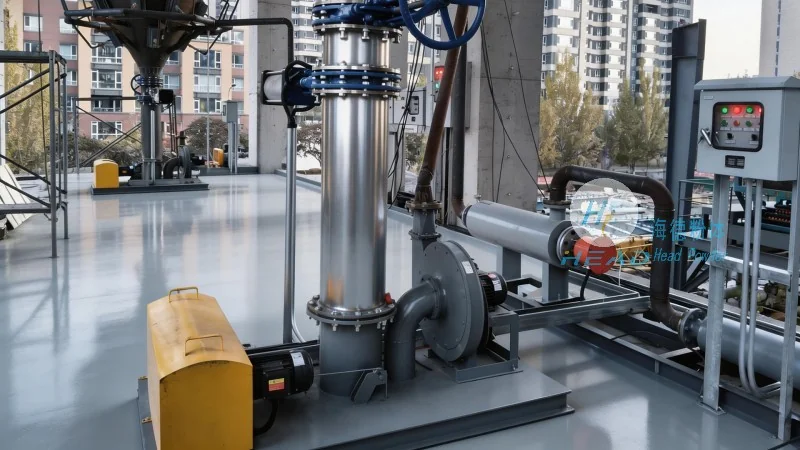
To ensure the long-term performance and reliability of the pneumatic conveying equipment, regular maintenance and proper care are essential. HeadPowder recommends a routine maintenance schedule that includes checking the air compressor and blower for proper operation, inspecting the pipeline for any blockages or leaks, and cleaning the hopper and feeding mechanisms. The control system should also be checked regularly to ensure that it is functioning correctly. In addition, the equipment should be cleaned periodically to remove any accumulated material or debris, which can affect the performance of the system. Proper maintenance not only extends the lifespan of the equipment but also ensures that it operates efficiently and safely, reducing the risk of accidents and downtime.
Conclusion
Pneumatic conveying equipment for resin sand is a vital component in modern foundry operations, offering a reliable and efficient solution for material handling. The operation process and working principles of such equipment are designed to maximize productivity and minimize material loss. HeadPowder's expertise in the field ensures that their equipment is of high quality and tailored to meet the specific needs of their clients. By understanding the operation process and working principles of the pneumatic conveying system, foundry operators can make informed decisions about their material handling strategies, leading to improved efficiency and profitability.