

Operation Process and Working Principle of Continuous Material Pneumatic Conveying
HeadPowder, a leading provider in the field, specializes in the design, manufacturing, and implementation of pneumatic conveying systems for continuous material handling. This article delves into the operational process and working principles of such systems, highlighting the technical aspects and practical applications that make them essential in various industrial sectors.
Company Overview: Shandong HeadPowder Engineering Co., Ltd.
HeadPowder, operating from Shandong, China, is dedicated to delivering high-quality pneumatic conveying solutions. With a focus on innovation and customer satisfaction, the company has established itself as a trusted partner for businesses seeking efficient material transport solutions. The company's headquarters is located in Shandong, China, where its team of experts develops and refines advanced conveying technologies.
Understanding Pneumatic Conveying: Core Principles
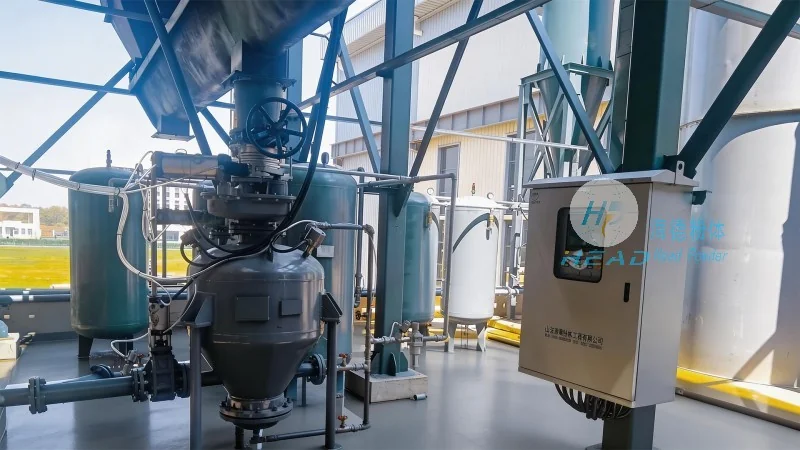
Pneumatic conveying systems utilize air or gas to transport bulk materials from one location to another. The process involves several key components, including a material feed hopper, a conveyor line, and a receiver or discharge point. The system operates by creating a pressure differential, which draws the material into the conveying line and propels it to the destination. This method is particularly effective for handling fine powders, granules, and other dry bulk materials, offering advantages such as low maintenance, minimal product contamination, and the ability to transport materials over long distances.
The Operational Process of Continuous Material Pneumatic Conveying
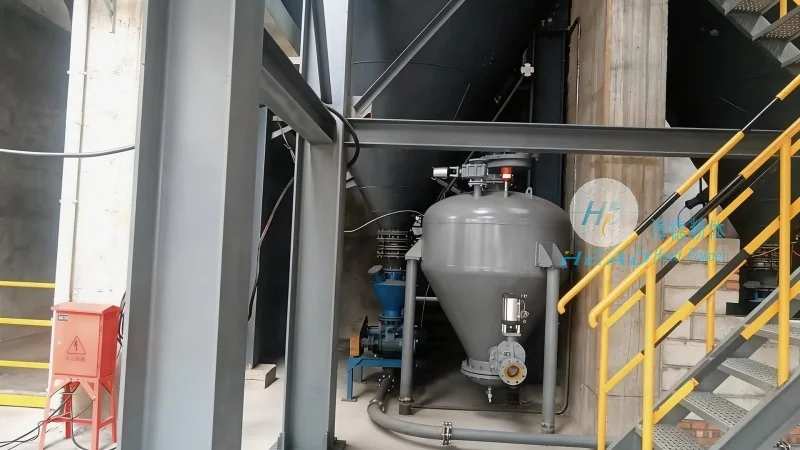
The operation of a continuous material pneumatic conveying system follows a systematic sequence. Initially, the material is fed into the system from a hopper or storage silo. The feeder then regulates the flow rate, ensuring a consistent supply of material into the conveying line. As the material enters the line, it is mixed with the conveying air, which creates a slurry-like mixture. The air, under pressure, transports the material through the pipeline network. At the receiving end, the material is separated from the air, often through a cyclone separator or a filter, and collected in a storage bin or processing unit. This continuous process allows for uninterrupted material transport, making it ideal for high-volume production environments.
Key Components and Their Functions
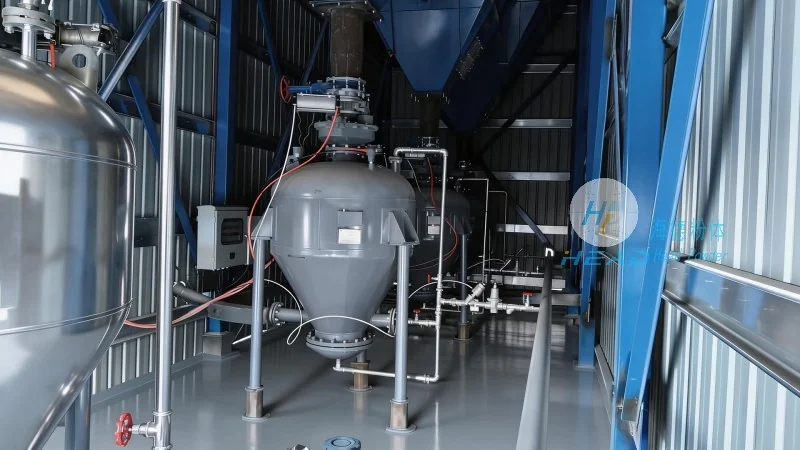
Several critical components work in tandem to ensure the smooth operation of a pneumatic conveying system. The material feed hopper provides a controlled supply of material, preventing overfilling and maintaining consistent flow. The feeder, typically a screw or rotary valve, regulates the feed rate based on system requirements. The conveying line, usually made of stainless steel or other corrosion-resistant materials, is designed to withstand the pressure and material abrasion. The air compressor or blower generates the necessary pressure to move the material through the line. The receiver or discharge unit collects the material and may include a dust collection system to maintain air quality. Each component plays a vital role in the overall efficiency and reliability of the system.
Advantages of Continuous Pneumatic Conveying
Continuous material pneumatic conveying offers numerous benefits that make it a preferred choice for many industries. One of the primary advantages is its ability to handle a wide range of materials, from fine powders to coarse granules, without the need for additional equipment like conveyor belts or buckets. The system is also highly flexible, allowing for changes in material flow rates and destinations without significant modifications. Additionally, it minimizes product contamination and degradation, as the material is enclosed within the conveying line, protecting it from external factors. The low maintenance requirements and energy efficiency further enhance its appeal, making it a cost-effective solution for long-term material handling needs.
Applications in Industrial Settings
The versatility of continuous pneumatic conveying systems makes them suitable for a variety of industrial applications. In the food and pharmaceutical industries, the system is used to transport ingredients and finished products, ensuring strict hygiene and contamination control. In the chemical sector, it handles powders and granules, often requiring specialized materials for corrosion resistance. The manufacturing industry utilizes these systems for raw material transport between production lines, while the mining and mineral processing sectors rely on them for ore and mineral handling. Each application leverages the system's ability to maintain product integrity and operate continuously, supporting high production throughput.