

Operation Process and Working Principle of Cement Auxiliary Powder Pneumatic Conveying Machine
The cement auxiliary powder pneumatic conveying machine is a specialized equipment designed for the efficient and safe transportation of bulk powders, such as cement additives and other auxiliary materials, in industrial settings. As a key component in cement production and processing lines, this machine plays a crucial role in ensuring smooth material flow and maintaining production efficiency. Manufactured by Shandong HeadPowder Engineering Co., Ltd., based in China, this equipment combines advanced pneumatic conveying technology with robust engineering design to meet the demanding requirements of modern cement manufacturing processes.
Core Components and Structure
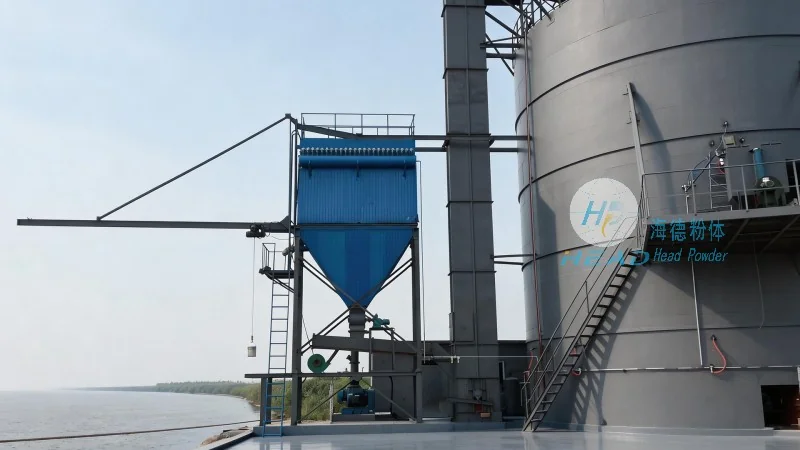
The pneumatic conveying machine consists of several essential components that work in tandem to achieve effective powder transport. The main parts include the hopper for material storage, the air compressor or blower that generates the necessary air pressure, the conveying pipeline system, and the receiving hopper or silo where the material is deposited. The hopper is typically equipped with a feeding mechanism, such as a rotary valve or screw feeder, to control the flow of powder into the system. The air compressor provides the motive force by creating a pressure differential between the conveying line and the ambient air, which propels the powder particles through the pipeline. The pipeline is usually made of stainless steel or other corrosion-resistant materials to ensure durability and prevent material contamination. The receiving hopper is designed to safely collect the conveyed powder and may include a discharge valve for further processing or storage.
Working Principle of the Pneumatic Conveying Process
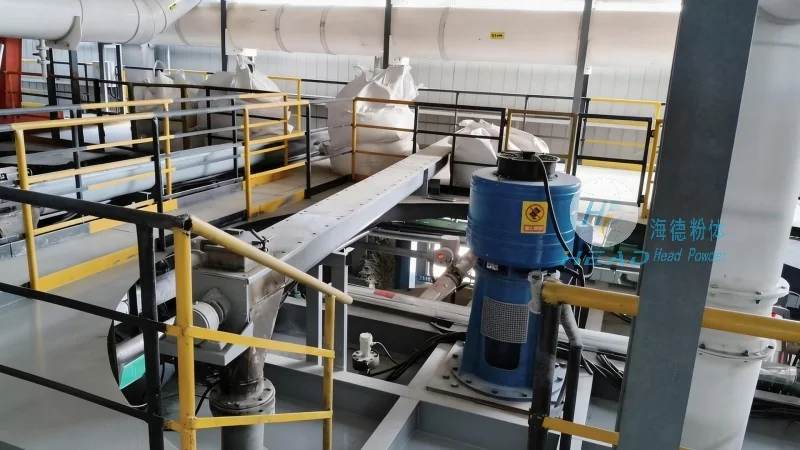
The operation of the cement auxiliary powder pneumatic conveying machine is based on the principle of pneumatic transport, which utilizes air to move bulk materials. The process begins when the powder is fed from the storage hopper into the conveying line. The air compressor then starts, generating a high-pressure air stream that flows through the pipeline. As the air moves through the line, it creates a negative pressure (or positive pressure, depending on the system design) that draws the powder particles into the air stream. The powder and air mixture travels through the pipeline to the receiving hopper, where the air is separated from the powder. This separation is typically achieved through a cyclone separator or a filter system, which allows the air to be recirculated back to the compressor while the powder is collected in the receiving hopper. The working principle ensures that the material is transported without the need for mechanical contact, reducing wear and tear on the equipment and minimizing the risk of material degradation.
Operation Process and Key Steps
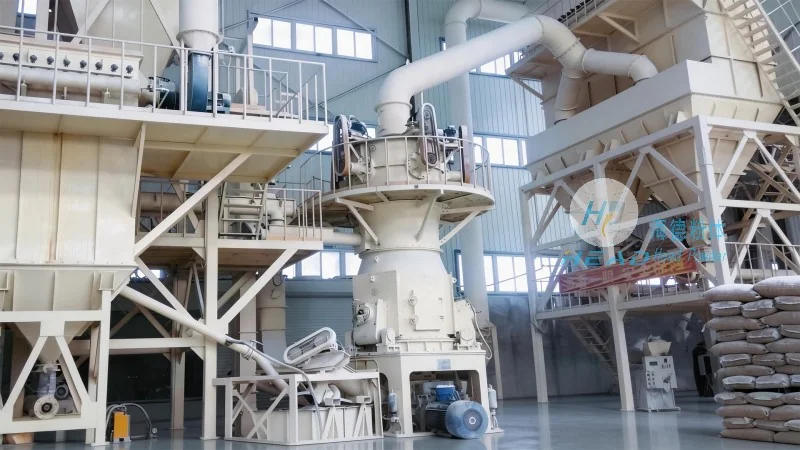
The operation of the cement auxiliary powder pneumatic conveying machine involves several key steps that ensure efficient and reliable material transport. The first step is the preparation phase, where the material is loaded into the storage hopper and the system is checked for proper operation, including checking the air compressor pressure, pipeline integrity, and feeding mechanism functionality. Once the system is ready, the feeding mechanism is activated to start the flow of powder into the conveying line. The air compressor is then started, and the pressure is adjusted to the appropriate level based on the material characteristics and pipeline length. As the powder is fed into the line, it is carried by the air stream and transported to the receiving hopper. The system continuously monitors the pressure and flow rates to ensure stable operation. If any issues arise, such as blockages or pressure drops, the system may automatically shut down or alert the operator to address the problem. The operation process is designed to be automated to a large extent, reducing the need for manual intervention and improving overall efficiency.
Advantages and Applications
The cement auxiliary powder pneumatic conveying machine offers several advantages over traditional mechanical conveying methods, making it an ideal choice for transporting cement additives and other bulk powders. One of the primary advantages is the ability to transport materials over long distances without the need for intermediate transfer points, which reduces downtime and improves production throughput. The system also provides a dust-free and hygienic environment, which is crucial for maintaining product quality and meeting regulatory standards. Additionally, the pneumatic conveying process minimizes material degradation and contamination, as there is no direct contact between the material and the conveying equipment. The machine is widely used in cement plants for transporting raw materials, such as limestone and clay, as well as auxiliary materials like gypsum and fly ash. It is also used in other industries, such as chemical and food processing, where bulk powder transport is required.
Maintenance and Operational Considerations
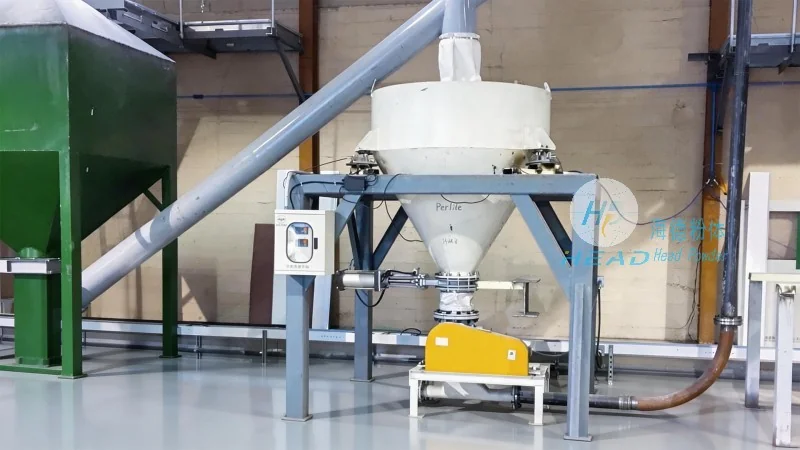
To ensure the long-term performance and reliability of the cement auxiliary powder pneumatic conveying machine, regular maintenance and proper operational practices are essential. The air compressor and blower components require regular inspection and maintenance to ensure they operate at optimal efficiency and pressure levels. The conveying pipeline should be checked for any signs of wear, corrosion, or blockages, and cleaned as needed to prevent material buildup. The feeding mechanism and hopper should be inspected for proper operation and any signs of wear or damage. The cyclone separator or filter system should be cleaned regularly to maintain efficient air separation and prevent clogging. Operational considerations also include monitoring the system for any unusual sounds or vibrations, which may indicate a problem with the equipment. Proper training of operators on the machine's operation and maintenance is crucial to ensure safe and efficient operation. By following these maintenance and operational guidelines, the machine can provide reliable and efficient service for many years.