

Operation Process and Working Principle of Automatic Feeding Powder Gas Solid Transport Equipment fo
HeadPowder, a leading manufacturer based in Shandong, China, specializes in the design and production of advanced powder material handling systems. The automatic feeding powder gas solid transport equipment is a sophisticated solution tailored for efficient waste and bulk material transportation. This equipment integrates automated feeding mechanisms with pneumatic transport technology, ensuring reliable and continuous material transfer in various industrial applications.
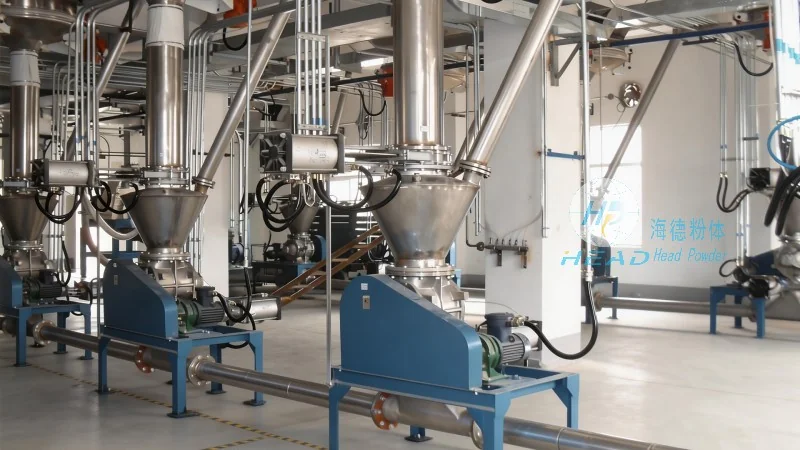
Key Components and Structure
The equipment comprises several core components that work in harmony to achieve seamless operation. The main parts include the automatic feeding hopper, the air compressor system, the transport pipeline, and the control unit. The feeding hopper is equipped with sensors and actuators that enable precise material loading. The air compressor generates the necessary air pressure to drive the material through the pipeline. The pipeline network connects the feeding point to the discharge point, with appropriate valves and filters to maintain system efficiency. The control unit manages the entire process, monitoring parameters such as pressure, flow rate, and material level to ensure optimal performance.
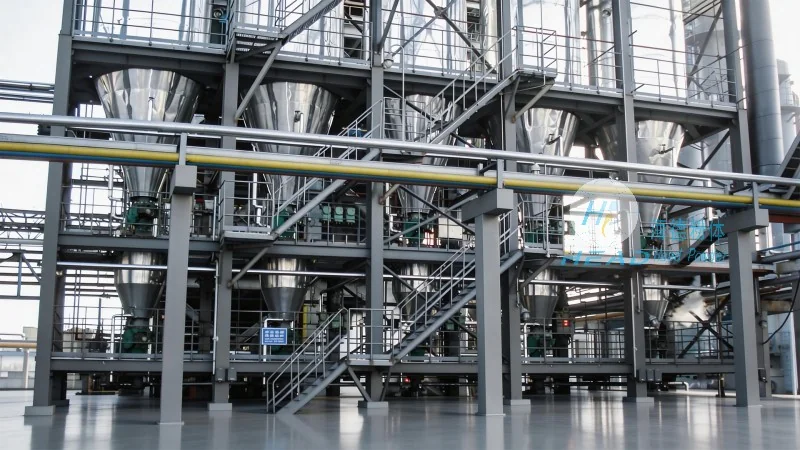
Operation Process
The operation of the automatic feeding powder gas solid transport equipment follows a systematic sequence. Initially, the feeding hopper is filled with the target powder material. The sensors detect the material level and signal the control unit. Upon receiving the signal, the feeding mechanism activates, and the material is discharged into the transport pipeline. Simultaneously, the air compressor starts, generating high-pressure air that propels the material through the pipeline. The material is carried as a suspension in the air stream, moving from the feeding point to the discharge point. At the discharge end, the air is separated from the material, and the material is collected in the receiving container. The control unit continuously adjusts the feeding rate and air pressure to maintain a stable flow, preventing blockages or overloading. This automated process ensures consistent and reliable material transport, minimizing human intervention and operational errors.
Working Principle
The working principle of the equipment is based on pneumatic conveying technology, which utilizes compressed air to transport bulk materials. The core mechanism involves creating a pressure differential between the feeding and discharge points. The air compressor supplies compressed air to the transport pipeline, creating a high-pressure environment at the feeding end. As the material is introduced into the pipeline, it mixes with the air, forming a dense phase or dilute phase flow, depending on the system design and material characteristics. The pressure difference drives the material along the pipeline, with the air acting as the carrier medium. The system is designed to handle a wide range of powder materials, including waste materials, with adjustable parameters to optimize transport efficiency. The control unit plays a crucial role in maintaining the pressure differential and flow rate, ensuring that the material is transported smoothly without degradation or loss. This principle allows for efficient and cost-effective material handling, making it suitable for various industrial applications where traditional conveyor systems may be less effective.
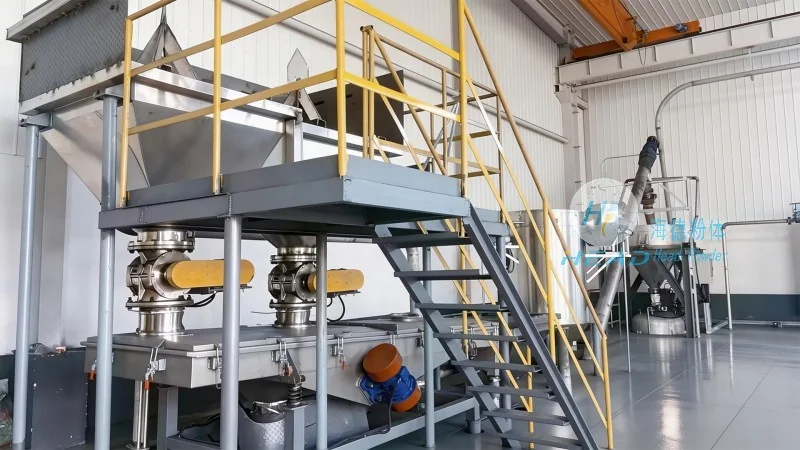
Advantages and Applications
The automatic feeding powder gas solid transport equipment offers several advantages over conventional material handling methods. It provides a dust-free and hygienic environment, which is particularly important for handling waste materials. The automated feeding mechanism reduces labor costs and minimizes human exposure to hazardous materials. The pneumatic transport system is flexible, allowing for vertical, horizontal, or inclined transport, and can be easily integrated into existing production lines. The equipment is suitable for a wide range of applications, including waste management, chemical processing, food processing, and pharmaceutical manufacturing. It can handle various powder types, such as plastic waste, organic waste, and industrial byproducts, with consistent performance and reliability. The system's compact design and low maintenance requirements make it an economical choice for businesses seeking efficient material transport solutions.