

Operation Process and Working Principle of Activated Carbon Material Handling System Equipment
Activated carbon material handling systems are integral to various industrial processes, particularly in applications that require the efficient and reliable transportation of activated carbon. These systems are designed to address the unique characteristics of activated carbon, such as its porous structure, fine particle size, and potential dust generation, ensuring optimal performance in material transport. The equipment typically includes components like storage hoppers, feeding mechanisms, conveyor systems, and control panels, all working in tandem to maintain consistent material flow and minimize operational disruptions. Understanding the operation process and working principle of such systems is crucial for optimizing industrial efficiency and ensuring product quality.
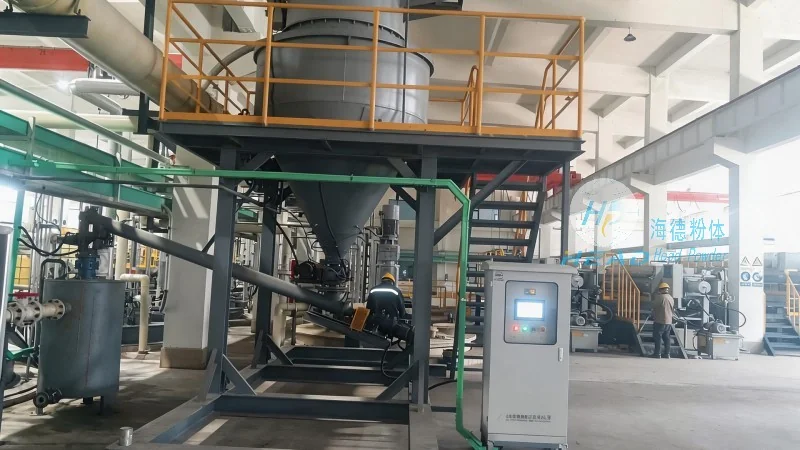
Key Components of the System
The activated carbon material handling system consists of several critical components that are engineered to handle the specific properties of activated carbon. The storage hopper, often made of stainless steel or other corrosion-resistant materials, is designed to store large quantities of raw activated carbon while minimizing dust and material degradation. The hopper features a sloped bottom to facilitate the flow of material into the feeding mechanism. The feeding mechanism, which can be a rotary valve, screw feeder, or vibratory feeder, regulates the flow rate by controlling the speed of rotation or the movement of the screw, ensuring a consistent feed to the conveyor. This component is essential for maintaining uniform material flow and preventing overloading or underloading of the conveyor system. The conveyor system, typically a belt conveyor or pneumatic conveyor, transports the activated carbon from the hopper to the processing or storage area. Belt conveyors are commonly used for bulk material handling due to their high capacity, low maintenance, and ability to handle a wide range of particle sizes. Pneumatic conveyors are preferred for fine or dusty activated carbon, as they can transport material through pipelines without mechanical contact, reducing wear and tear on components. The control panel integrates sensors, such as flow sensors, pressure sensors, and temperature sensors, to monitor operational parameters. These sensors provide real-time data to the control system, allowing for adjustments to be made to maintain optimal performance. The control panel also includes indicators and alarms to alert operators of any issues, ensuring safety and operational efficiency.
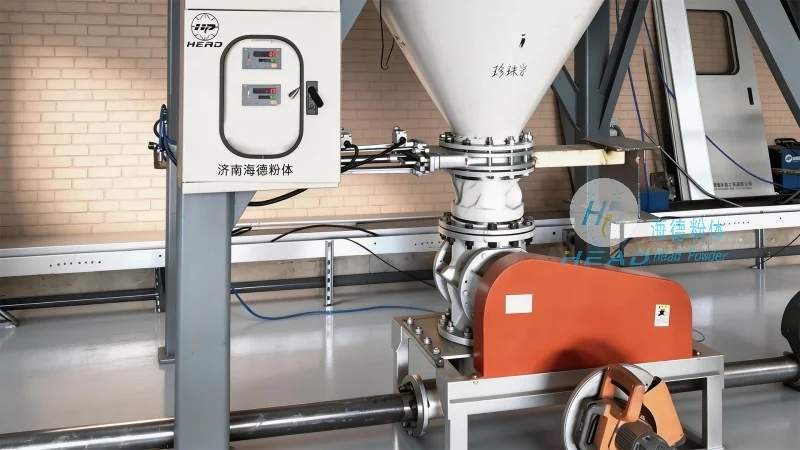
Operation Process of the Equipment
The operation of the activated carbon material handling system follows a systematic process that ensures smooth and continuous material transport. Initially, raw activated carbon is loaded into the storage hopper. The feeding mechanism then regulates the flow of material into the conveyor, controlling the rate of discharge based on the system's operational requirements. The conveyor system transports the activated carbon from the hopper to the next stage of processing or to the storage area. Throughout the process, sensors monitor key parameters like flow rate, pressure, and temperature, providing real-time feedback to the control panel. This feedback allows for adjustments to be made to maintain optimal performance, preventing issues such as blockages or uneven material distribution. The system is designed to operate continuously, with minimal downtime, ensuring that production processes remain uninterrupted. The control panel also manages the start and stop functions of the system, allowing for easy operation and maintenance. Regular maintenance, such as cleaning the hopper and conveyor, is performed to ensure the system operates efficiently and prevents material buildup or contamination.
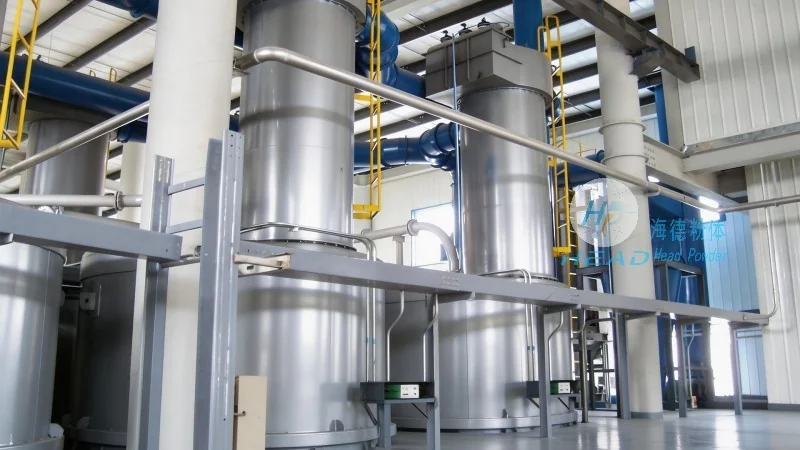
Working Principle of the System
The working principle of the activated carbon material handling system is based on mechanical and pneumatic principles that facilitate the movement of activated carbon. The system utilizes gravity and mechanical force to move the material from the storage hopper to the conveyor. The feeding mechanism, often a screw or rotary valve, controls the flow rate by adjusting the speed or rotation, ensuring a consistent feed to the conveyor. The conveyor system, typically a belt conveyor, uses friction to move the activated carbon along its path. In some cases, pneumatic conveyors may be used for fine or dusty activated carbon, where air pressure is used to transport the material through a pipeline. The control panel integrates sensors and actuators to regulate the system's operation, ensuring that all components work in harmony. This integrated approach allows for precise control over the material handling process, optimizing efficiency and reducing operational costs. The system's design minimizes the risk of material degradation and dust generation, which are critical factors in maintaining product quality and operational safety.
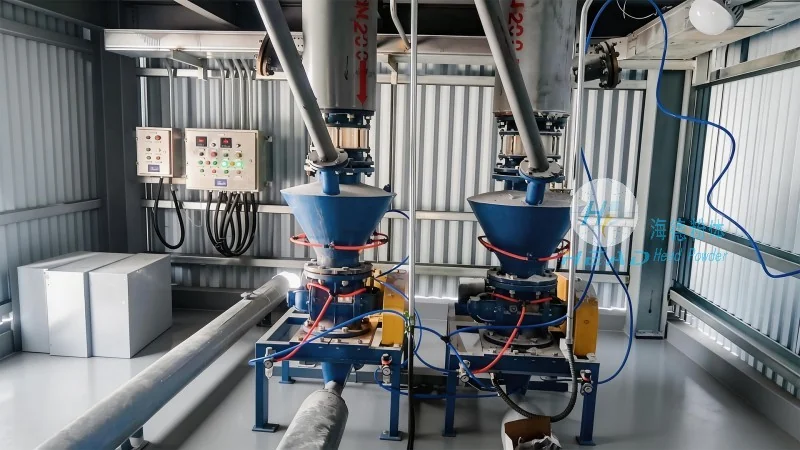
Benefits and Applications
Activated carbon material handling systems offer several benefits in industrial applications, making them a preferred choice for handling activated carbon. The primary benefits include improved efficiency in material transport, reduced labor costs due to automated operation, and enhanced safety by minimizing human exposure to dust and other hazards. These systems are widely used in industries such as water treatment, air purification, and chemical processing, where activated carbon is used for adsorption and filtration processes. The systems are also suitable for handling other fine powders and granular materials, making them versatile in various industrial settings. The consistent flow and reliable operation of the system ensure that production processes remain stable, leading to higher product quality and reduced waste. Additionally, the system's design allows for easy integration with other industrial equipment, such as reactors or filters, enhancing overall process efficiency. The use of activated carbon material handling systems contributes to sustainable industrial practices by optimizing material usage and reducing environmental impact.