

Operation Process and Working Principle of Aluminum Battery Material Handling System
Aluminum battery material handling systems are critical components in modern manufacturing and processing facilities, designed to efficiently transport and manage materials used in the production of aluminum batteries. These systems integrate advanced engineering solutions to ensure smooth, reliable operation while optimizing workflow and reducing operational costs. The following sections detail the operation process and working principles of such systems, highlighting key aspects that contribute to their effectiveness.
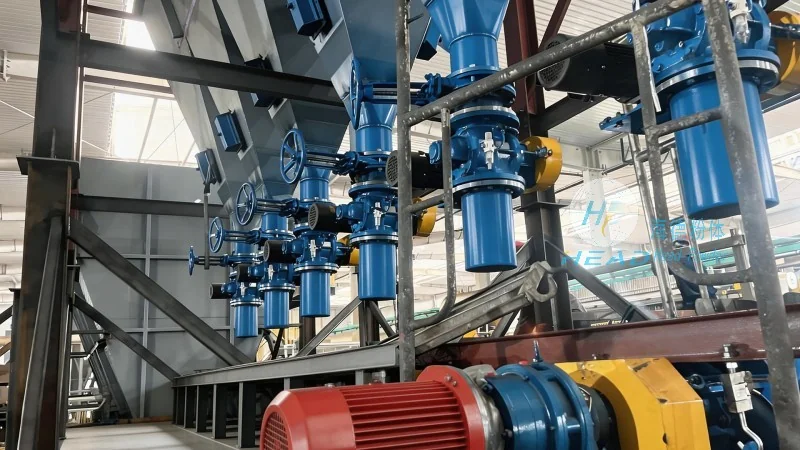
Overview of Aluminum Battery Material Handling Systems
Aluminum battery material handling systems are specialized equipment designed to handle, transport, and store materials essential for aluminum battery manufacturing. These systems are typically integrated into larger production lines and are engineered to meet the specific demands of the aluminum battery industry, including high material throughput, precision handling, and adherence to safety standards. The systems often consist of multiple components, such as conveyors, hoists, storage racks, and automated control systems, all working in tandem to streamline material flow from raw material reception to final product packaging.
Key Components and Their Functions
The effectiveness of an aluminum battery material handling system relies on the integration of several key components, each serving a specific function in the overall operation. These components include:
- Conveyor Systems: Used to transport materials horizontally or at an incline, conveyor belts or rollers move raw materials, components, or finished products through the production line. They are designed for high durability and can handle heavy loads, ensuring consistent material flow.
- Hoisting and Lifting Equipment: Devices like overhead cranes or hoists are used to lift and move materials vertically or in multiple directions. This is particularly important for handling large or heavy components that cannot be moved by horizontal conveyors alone.
- Storage Racks and Shelving: These systems provide organized storage for raw materials, intermediate products, or finished aluminum batteries. Proper storage ensures that materials are easily accessible and reduces the risk of damage or contamination.
- Automated Control Systems: Modern material handling systems are often equipped with advanced control systems, including sensors, programmable logic controllers (PLCs), and human-machine interfaces (HMIs). These systems monitor the operation of all components, adjust parameters as needed, and provide real-time feedback to operators, enhancing system efficiency and safety.
Operation Process of the Material Handling System
The operation process of an aluminum battery material handling system typically follows a structured sequence to ensure efficient material flow. The process begins with the reception of raw materials, which are then sorted, stored, and prepared for processing. The following steps outline the typical workflow:
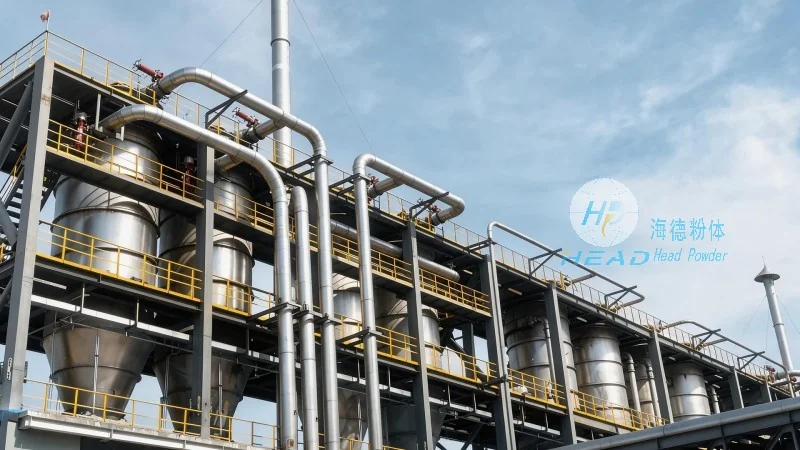
- Raw Material Reception: Raw materials, such as aluminum ingots, battery components, or packaging materials, are received at the facility. They are inspected for quality and stored in designated areas until needed.
- Material Sorting and Preparation: The received materials are sorted according to type, size, or other specifications. This step may involve manual or automated sorting processes to ensure that only qualified materials proceed to the next stage.
- Transport to Production Lines: Sorted materials are transported to the production lines using conveyor systems or hoisting equipment. The materials are moved to the appropriate workstations where they are processed into aluminum battery components.
- Component Assembly and Processing: At the production lines, the materials are assembled into battery components. This may involve welding, coating, or other processing steps, depending on the specific battery type. The material handling system ensures that components are delivered to the assembly stations in a timely and organized manner.
- Storage of Intermediate Products: Finished or partially finished aluminum battery components are stored in designated racks or areas. This storage phase allows for further processing or quality control before final packaging.
- Final Packaging and Delivery: The final aluminum batteries are packaged and prepared for shipment. The material handling system facilitates the movement of packaged products to storage or shipping areas, ensuring that the final product is delivered efficiently and safely.
Working Principles of the Material Handling System
The working principles of an aluminum battery material handling system are based on the integration of mechanical, electrical, and control technologies to achieve coordinated material movement. The system operates on the following fundamental principles:
1. Mechanical Efficiency: The system relies on mechanical components, such as conveyors and hoists, to move materials. These components are designed for high efficiency and durability, minimizing energy consumption and wear and tear. The use of high-quality materials and precision engineering ensures that the system can handle heavy loads and operate continuously without frequent maintenance.
2. Automation and Control: Modern material handling systems are equipped with automated control systems that monitor and regulate the operation of all components. Sensors detect the position and status of materials, while PLCs and HMIs allow operators to adjust parameters and monitor system performance. This automation reduces the need for manual intervention, enhances safety, and improves overall system efficiency.
3. Integration and Coordination: The system operates as a cohesive unit, with all components working in coordination to achieve the desired material flow. The control system ensures that each component operates at the right time and with the right speed, preventing bottlenecks and ensuring smooth workflow. This integration is crucial for maintaining high production throughput and minimizing downtime.
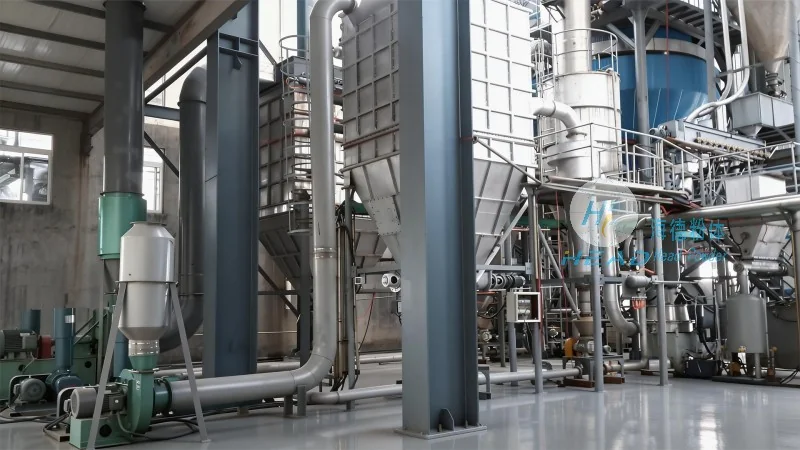
4. Safety and Compliance: The working principles of the system also emphasize safety and compliance with industry standards. The system includes safety features, such as emergency stop buttons, sensors to detect obstructions, and protective guards, to prevent accidents and ensure operator safety. Additionally, the system is designed to comply with local regulations and industry best practices, ensuring that it meets all legal and safety requirements.
Benefits of Using Aluminum Battery Material Handling Systems
The implementation of aluminum battery material handling systems offers numerous benefits to manufacturers, including improved efficiency, reduced costs, and enhanced product quality. Some of the key benefits include:
- Increased Production Throughput: By streamlining material flow and reducing manual handling, the system increases the speed of production, allowing manufacturers to produce more aluminum batteries in less time.
- Reduced Labor Costs: Automation reduces the need for manual labor in material handling tasks, lowering labor costs and minimizing the risk of human error.
- Improved Material Quality: The system ensures that materials are handled with care, reducing the risk of damage or contamination. This leads to higher quality aluminum batteries and fewer defects.
- Enhanced Safety: The integration of safety features and automated controls reduces the risk of accidents and ensures a safer working environment for operators.
- Optimized Space Utilization: The system is designed to maximize the use of available space, with storage racks and conveyors arranged to minimize waste and improve workflow.
Conclusion
Aluminum battery material handling systems are essential for modern aluminum battery manufacturing, providing efficient, reliable, and safe material transport and management. By understanding the operation process and working principles of these systems, manufacturers can optimize their production lines, reduce costs, and improve overall efficiency. The integration of advanced technology and engineering in these systems ensures that they meet the demanding requirements of the aluminum battery industry, contributing to the success of manufacturers like Shandong HeadPowder Engineering Co., Ltd., based in China.