

Operation Process and Working Principle of Fermented Grain Powder Conveyors
For the production of fermented grain products, efficient and reliable powder conveying equipment is crucial. The fermented grain powder conveyor, developed by Shandong HeadPowder Engineering Co., Ltd., based in Shandong, China, is designed to handle the unique characteristics of fermented grain powders, ensuring smooth material transport and maintaining product quality throughout the process.
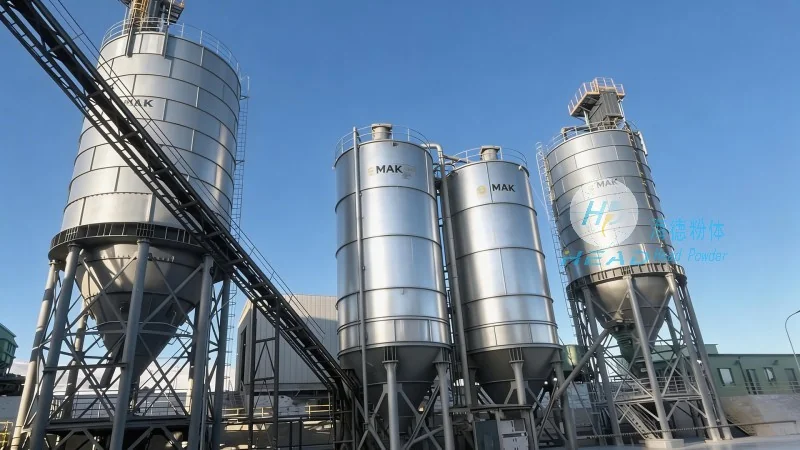
Overview of Fermented Grain Powder Conveyors
The fermented grain powder conveyor is a specialized bulk material handling system engineered to transport fermented grain powders from storage silos or processing units to downstream equipment such as mixers, fermenters, or packaging lines. This equipment is essential in breweries, distilleries, and other food processing facilities where fermented grain powders are a key ingredient. The design of these conveyors addresses the challenges posed by the granular, often sticky, and moisture-sensitive nature of fermented grain powders, ensuring minimal product degradation and operational efficiency.
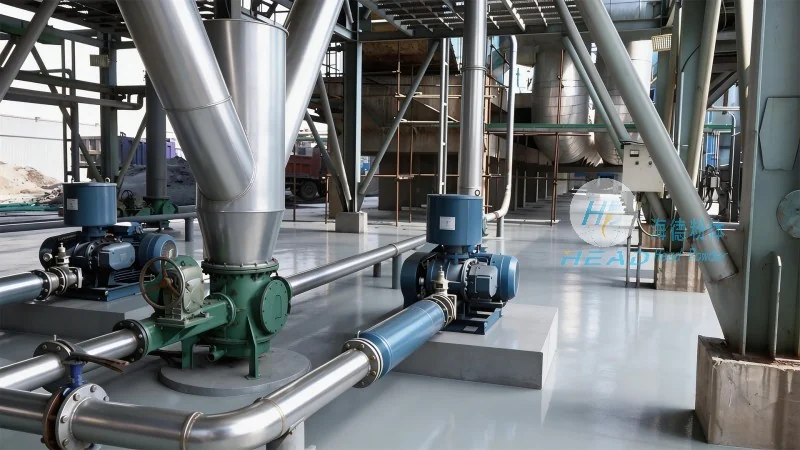
Key Components and Structure
The fermented grain powder conveyor typically consists of several key components that work in concert to achieve effective material transport. These components include a hopper for material storage, a feeding mechanism (such as a rotary valve or screw feeder) to control the flow of powder, a conveying tube or pipe system (often made of stainless steel or food-grade materials to prevent contamination), and a drive system (usually an electric motor with a gearbox) to provide the necessary power for movement. Additionally, the conveyor may feature a dust collection system to maintain air quality and a control panel to monitor and adjust operational parameters.
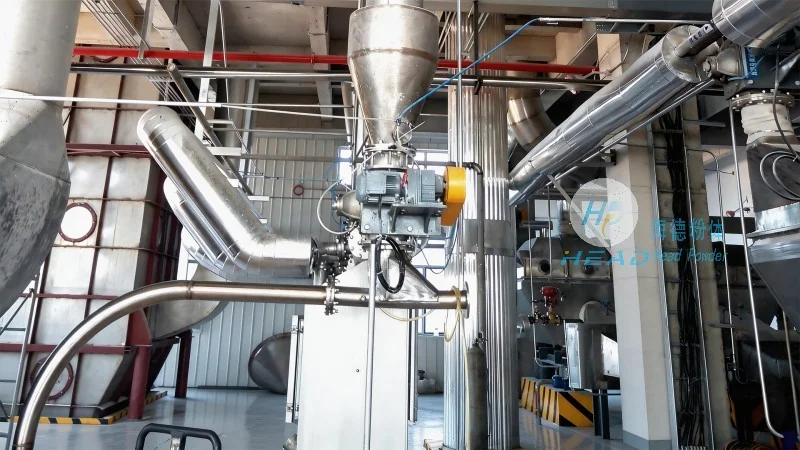
Working Principle of the Conveyor
The working principle of the fermented grain powder conveyor is based on the principles of bulk material flow and mechanical energy transfer. When the hopper is filled with fermented grain powder, the feeding mechanism regulates the amount of powder entering the conveying tube. The drive system then rotates the conveying elements (such as screws or augers) inside the tube, creating a positive pressure that propels the powder forward. As the powder moves through the tube, it is continuously agitated to prevent clogging and ensure uniform flow. The end of the conveyor discharges the powder into the next processing stage, completing the transport cycle.
Operation Process of the Fermented Grain Powder Conveyor
The operation process of the fermented grain powder conveyor involves several sequential steps to ensure safe and efficient material handling. First, the hopper is filled with fermented grain powder from a storage silo or bulk container. The control panel is then activated to start the feeding mechanism, which regulates the initial flow of powder into the conveying tube. The drive system is engaged, and the conveying elements begin to rotate, creating the necessary pressure to move the powder. During operation, operators monitor the system for any signs of clogging, excessive vibration, or abnormal noise, adjusting the feeding rate or conveyor speed as needed to maintain optimal performance. The conveyor continues to operate until the hopper is emptied or the required amount of powder has been transferred. Finally, the system is shut down, and the conveyor is cleaned to prevent residue buildup and ensure readiness for the next batch.
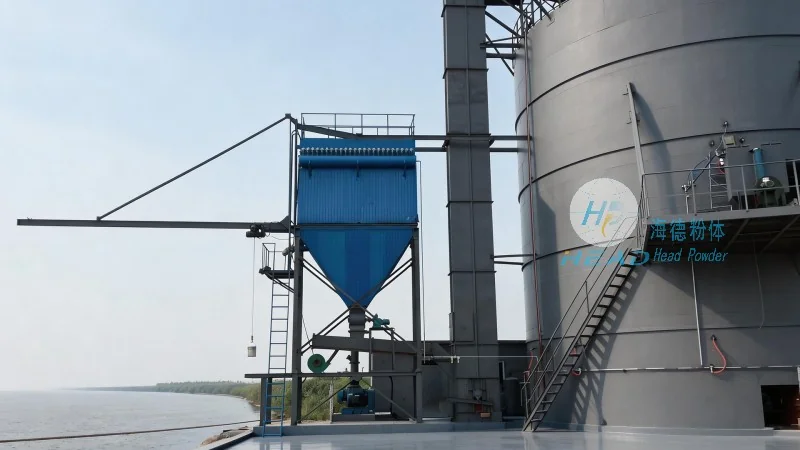
Advantages and Applications
The fermented grain powder conveyor offers several advantages for processing facilities, including high capacity, low maintenance requirements, and the ability to handle sticky or moisture-sensitive materials without degradation. These conveyors are widely used in the brewing industry for transporting malted grain powders, in distilleries for moving fermented grain powders to fermentation tanks, and in food processing plants for transferring ingredients to mixers or packaging lines. The equipment's design, developed by Shandong HeadPowder Engineering Co., Ltd., ensures compliance with food safety standards and provides reliable performance in demanding production environments.