

Operation Process and Working Principle of Camellia Seed Powder Conveying System
Camellia seed powder conveying systems are essential in the processing industry, particularly for handling the fine particles produced from camellia seeds. These systems ensure efficient and reliable transport of the powder from one processing stage to another, maintaining product quality and operational efficiency. This article provides a detailed overview of the operation process and working principles of such systems, highlighting key components, operational steps, and the importance of proper system design.
Overview of Camellia Seed Powder Conveying Systems
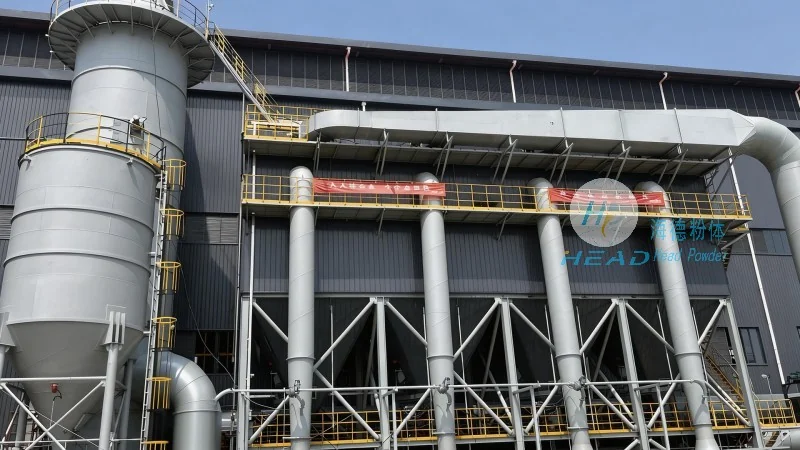
Camellia seed powder conveying systems are engineered to handle the unique characteristics of camellia seed powder, which includes its fine particle size, potential for static charge, and susceptibility to caking or bridging. The system design must address these challenges to ensure smooth and continuous operation. Key components typically include feed hoppers, conveyors (such as screw conveyors, pneumatic conveyors, or bucket elevators), control panels, and dust collection systems. Each component plays a critical role in the overall conveying process, working in tandem to maintain the integrity of the powder and prevent operational disruptions.
Working Principle of the Conveying System
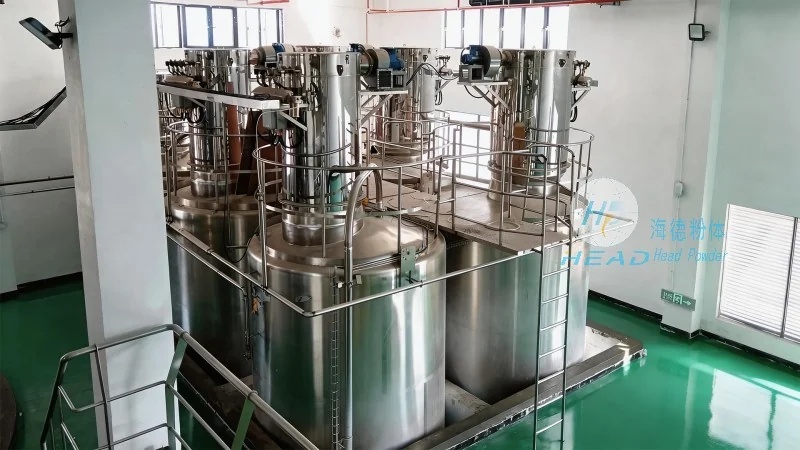
The core working principle of a camellia seed powder conveying system involves the transfer of powder from a source (e.g., a storage silo or a processing machine) to a destination (e.g., a mixer, a packaging machine, or a storage container). The process begins with the powder being fed into the system via a hopper. The hopper is designed to control the flow rate and prevent overloading, which could lead to clogging or uneven distribution. From the hopper, the powder is then transferred to the conveyor mechanism. For screw conveyors, the rotating screw pushes the powder forward along the trough, while pneumatic conveyors use air pressure to suspend and transport the powder through a pipeline. The choice of conveyor type depends on factors such as the powder's properties, the distance to be covered, and the required flow rate.
Operation Process: Step-by-Step
The operation of a camellia seed powder conveying system follows a systematic sequence of steps to ensure efficient and safe powder handling. The process starts with the preparation of the system, which includes checking the hopper level, ensuring the conveyor is clear of obstructions, and verifying that the control panel is set to the correct parameters. Once the system is ready, the feed mechanism activates, and the powder begins to move through the system. The conveyor continuously transports the powder to the next stage, where it may be further processed or stored. At each stage, sensors and controls monitor the flow rate and pressure, providing real-time feedback to adjust the system as needed. The system also includes safety features such as emergency stop buttons and overload protection to prevent accidents and equipment damage.
Key Components and Their Functions
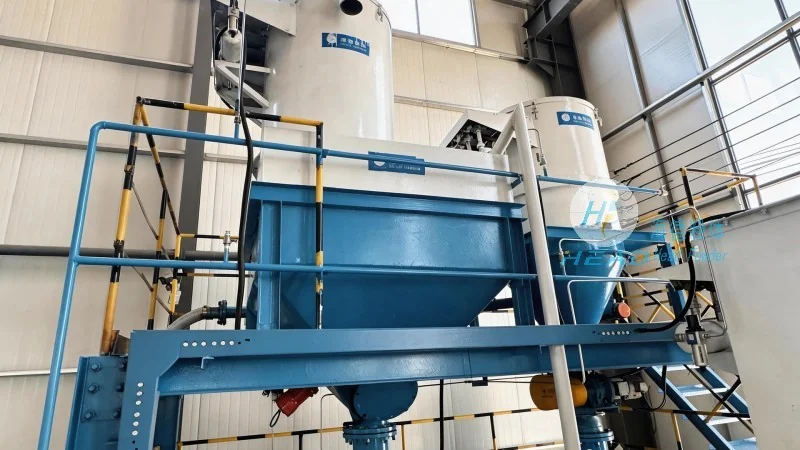
Several critical components contribute to the effective operation of a camellia seed powder conveying system. The feed hopper is the first component, responsible for receiving the powder from the source and regulating its flow into the conveyor. The hopper is often equipped with a gate or valve to control the discharge rate, preventing excess powder from entering the system and causing clogging. The conveyor itself is the heart of the system, responsible for moving the powder from the hopper to the destination. Screw conveyors are commonly used for horizontal or slight incline transport, while bucket elevators are suitable for vertical transport. Pneumatic conveyors are ideal for long-distance or high-velocity transport, especially when dealing with fine powders that are prone to dust generation. The control panel manages the entire system, including starting and stopping the conveyor, adjusting the flow rate, and monitoring system parameters. Finally, the dust collection system is crucial for maintaining a clean and safe working environment by capturing any airborne powder particles and preventing dust accumulation.
Importance of Proper System Design and Maintenance
Proper design and regular maintenance are essential for the long-term performance and reliability of a camellia seed powder conveying system. The system must be designed to accommodate the specific properties of camellia seed powder, such as its particle size distribution, moisture content, and potential for static charge. For example, if the powder is prone to static charge, anti-static measures such as grounding or ionizers may be incorporated into the system design. Regular maintenance is also critical to prevent issues such as clogging, wear and tear, and system inefficiencies. This includes cleaning the hopper and conveyor, checking for wear on conveyor components, and inspecting the control panel for any malfunctions. By following proper design guidelines and maintenance schedules, the system can operate efficiently for extended periods, minimizing downtime and ensuring consistent product quality.
Conclusion
In conclusion, camellia seed powder conveying systems are vital for the efficient processing of camellia seeds. The operation process involves a series of steps, from powder feeding to transport and final delivery, all coordinated by a well-designed system. Key components such as feed hoppers, conveyors, control panels, and dust collection systems work together to ensure smooth and reliable operation. Proper system design and regular maintenance are essential to maintain the system's performance and prevent operational issues. By understanding the working principles and operation process of these systems, manufacturers can optimize their processing lines and ensure high-quality camellia seed products.