

Operation Process and Working Principle of Xiaomi Pneumatic Conveying System Equipment
HeadPowder, a leading manufacturer in the field of pneumatic conveying technology, specializes in providing advanced equipment for efficient material handling. This article delves into the operation process and working principle of their pneumatic conveying systems, highlighting the key components and mechanisms that ensure smooth and reliable material transport. By understanding these aspects, users can appreciate the efficiency and versatility of the equipment designed by Shandong HeadPowder Engineering Co., Ltd., based in Shandong, China.
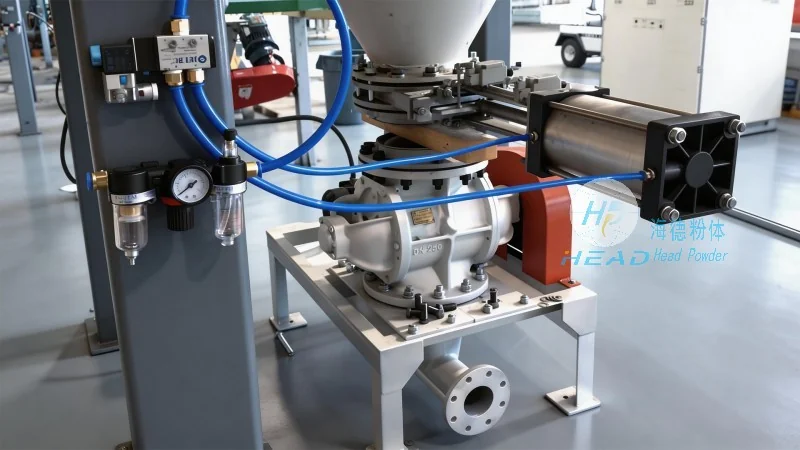
Overview of Pneumatic Conveying Systems
Pneumatic conveying systems are widely used in various industries for transporting bulk materials such as powders, granules, and fine particles. These systems utilize air or other gases to move materials through a pipeline network, eliminating the need for mechanical components like belts or buckets. The core of such systems lies in the combination of air flow, pressure, and material properties to achieve effective transport. HeadPowder's equipment is engineered to optimize these factors, ensuring minimal product degradation and maximum operational efficiency.
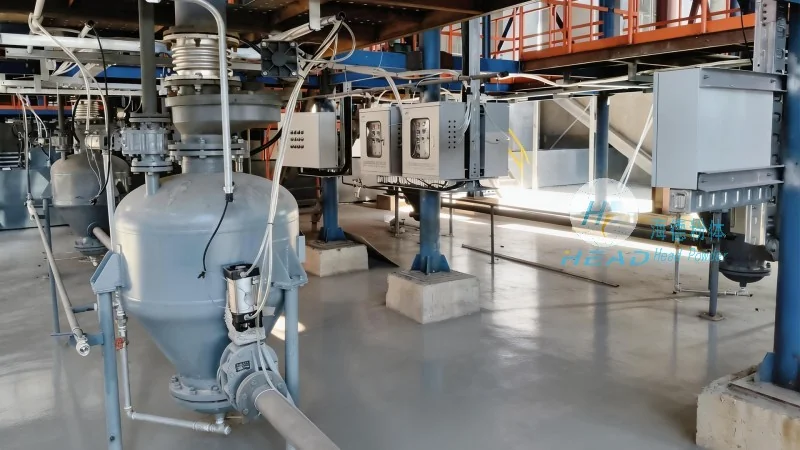
Key Components of the Pneumatic Conveying System
The pneumatic conveying system consists of several critical components that work in tandem to facilitate material transport. These include the material feeder, air compressor, conveying pipeline, control system, and discharge device. Each component plays a vital role in the overall operation. The material feeder is responsible for feeding the material into the system at a controlled rate, ensuring a consistent flow. The air compressor generates the necessary pressure and volume of air to move the material through the pipeline. The conveying pipeline, typically made of stainless steel or other corrosion-resistant materials, provides the path for the material and air mixture. The control system monitors and regulates the pressure, flow, and other parameters to maintain optimal operation. Finally, the discharge device collects the material at the end of the pipeline, completing the transport process.
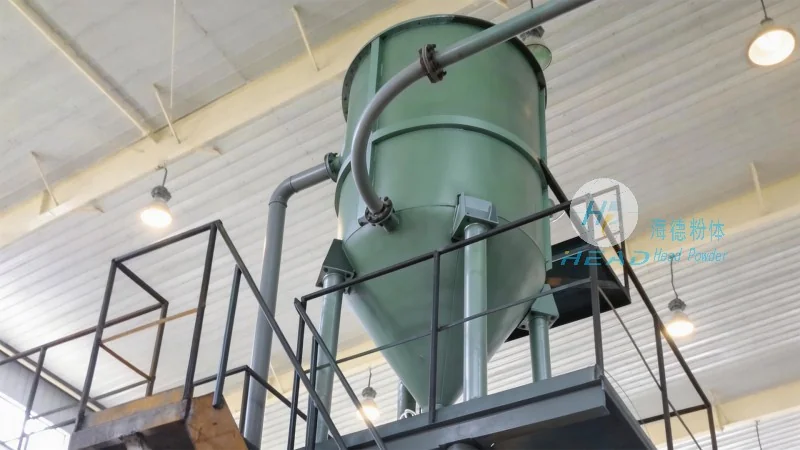
Operation Process of the Pneumatic Conveying System
The operation process of the pneumatic conveying system involves several sequential steps. First, the material is fed into the system through the material feeder. Simultaneously, the air compressor starts and supplies compressed air into the pipeline. The air and material mixture is then transported through the pipeline under pressure. As the mixture moves, the air velocity and pressure maintain the material in suspension, preventing it from settling or clogging the pipeline. The control system continuously monitors the pressure and flow rates, adjusting the air supply as needed to ensure stable transport. Upon reaching the discharge point, the material is collected by the discharge device, and the air is typically filtered and recycled back into the system to conserve energy and reduce waste. This cycle repeats as needed to transport additional batches of material.
Working Principle of the Pneumatic Conveying System
The working principle of the pneumatic conveying system is based on the principles of fluid dynamics and particle motion. When compressed air is introduced into the pipeline, it creates a high-velocity flow that lifts and transports the material particles. The air velocity must be sufficient to overcome the gravitational force acting on the particles and maintain them in a suspended state. The pressure differential between the inlet and outlet of the pipeline drives the material forward. The system can operate in either positive pressure or negative pressure modes, depending on the application and material characteristics. Positive pressure systems use compressed air to push the material, while negative pressure systems use vacuum to pull the material. HeadPowder's equipment is designed to accommodate both modes, providing flexibility for different industrial needs. The efficiency of the system depends on factors such as the material's density, particle size, and moisture content, as well as the system's design and operating parameters. Proper selection and maintenance of these components are crucial for achieving optimal performance and minimizing operational costs.
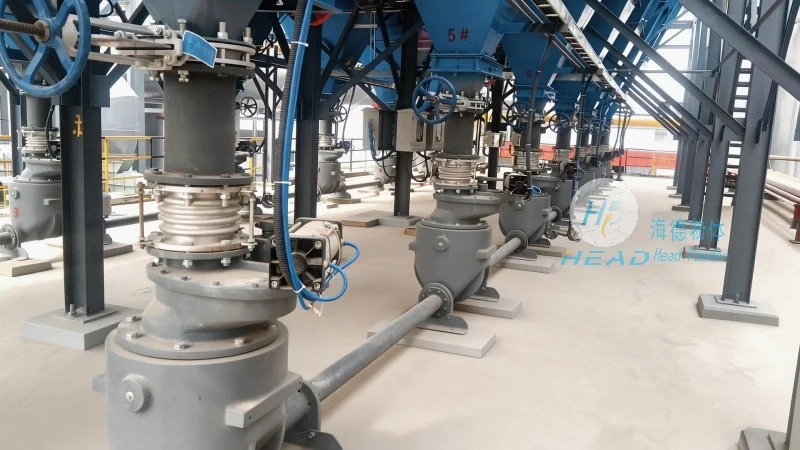
Benefits and Applications of the Pneumatic Conveying System
The pneumatic conveying system offers numerous benefits over traditional mechanical conveying methods. It provides a clean and hygienic method of transporting materials, especially in food and pharmaceutical industries where contamination is a major concern. The system also reduces the risk of product degradation due to minimal contact with mechanical parts and reduced exposure to air. Additionally, it offers high transport rates and the ability to handle a wide range of materials, from fine powders to large granules. The flexibility of the system allows for easy integration into existing production lines and the ability to transport materials over long distances without the need for intermediate storage or handling. HeadPowder's pneumatic conveying systems are used in various industries, including chemical, food, pharmaceutical, and mining, to improve material handling efficiency and reduce operational costs.