

Operation Process and Working Principle of Denitrator Agent Pneumatic Conveying Equipment
Denitrator agent, also known as selective catalytic reduction (SCR) agent, is a critical component in modern industrial flue gas treatment systems. The efficient and reliable transportation of this agent from storage to the injection point is essential for maintaining optimal NOx reduction efficiency. Pneumatic conveying equipment has emerged as a preferred solution for this task due to its ability to handle bulk materials with minimal maintenance and high operational flexibility. This article provides a detailed overview of the operation process and working principle of such equipment, highlighting the key components and the step-by-step procedures involved.
About HeadPowder Engineering Co., Ltd.
HeadPowder Engineering Co., Ltd., a leading manufacturer based in Shandong, China, specializes in the design, development, and supply of advanced pneumatic conveying systems tailored for industrial applications. With a strong commitment to quality and innovation, HeadPowder has established itself as a trusted partner for clients seeking reliable solutions for material handling in power plants, chemical industries, and other sectors requiring precise control over flue gas treatment processes. The company’s facilities and expertise ensure that each system is customized to meet specific operational requirements, guaranteeing long-term performance and minimal downtime.
Key Components of Pneumatic Conveying Systems for Denitrator Agents
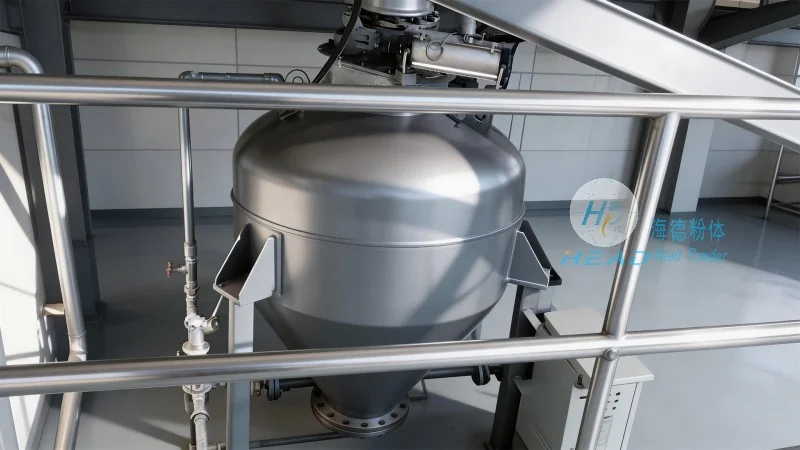
The pneumatic conveying system for denitrator agents typically consists of several interconnected components that work in harmony to achieve efficient material transport. The main components include a storage silo or hopper for storing the denitrator agent, a feeder or rotary valve to control the flow rate, a conveying pipeline, a blower or compressor to generate the necessary air pressure, and a control system to regulate the entire process. Each component plays a crucial role in ensuring the smooth and safe operation of the system. The storage silo is designed to hold the bulk denitrator agent, while the feeder ensures a consistent and controlled discharge rate. The conveying pipeline, often made of stainless steel or other corrosion-resistant materials, transports the agent from the storage area to the injection point. The blower or compressor provides the motive force, creating a pressure differential that propels the material through the pipeline. The control system monitors parameters such as pressure, flow rate, and temperature, allowing operators to adjust the system in real-time and maintain optimal performance.
Operation Process of Denitrator Agent Pneumatic Conveying Equipment
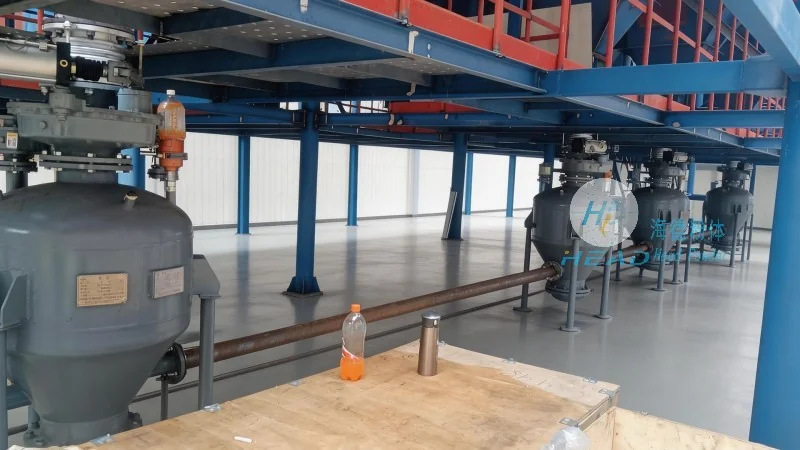
The operation of the denitrator agent pneumatic conveying equipment follows a systematic sequence of steps, ensuring that the material is transported safely and efficiently from the storage location to the injection point. The process begins with the preparation of the system, which involves checking the integrity of all components, ensuring that the storage silo is filled with the denitrator agent, and verifying that the feeder is properly set. Once the system is ready, the blower is activated, creating a low-pressure zone in the conveying pipeline. The feeder then starts discharging the denitrator agent into the pipeline, where it is mixed with the air from the blower. The mixture travels through the pipeline under the pressure generated by the blower, reaching the injection point where it is introduced into the flue gas stream. The entire process is controlled by the system’s control panel, which allows operators to monitor and adjust the flow rate and pressure as needed. The system typically operates in a continuous mode, with the feeder and blower running continuously to maintain a steady supply of denitrator agent to the injection point. This continuous operation ensures that the NOx reduction efficiency remains consistent, even during periods of high flue gas flow rates.
Working Principle of Pneumatic Conveying for Denitrator Agents
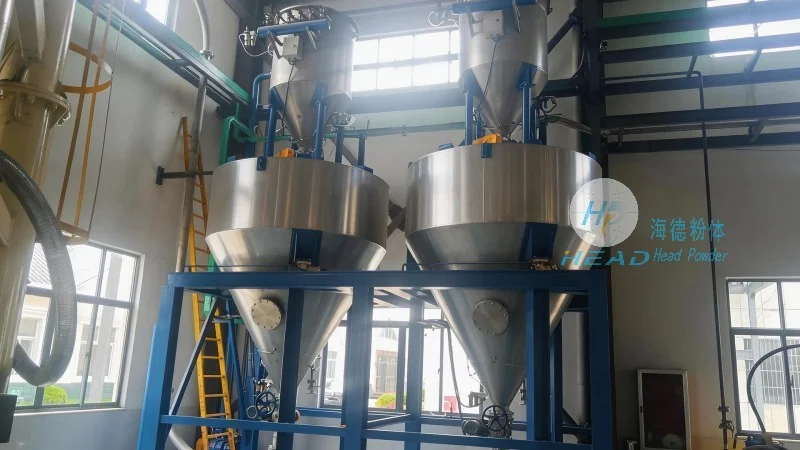
The working principle of pneumatic conveying for denitrator agents is based on the fundamental concept of transporting bulk materials using a gas stream. The process involves the creation of a pressure differential between the inlet and outlet of the conveying pipeline, which propels the material forward. There are two main types of pneumatic conveying systems: pressure and vacuum systems. In pressure systems, the blower is located at the discharge end of the pipeline, creating a high-pressure environment that pushes the material through the pipeline. In vacuum systems, the blower is located at the inlet, creating a low-pressure zone that draws the material into the pipeline. For denitrator agents, pressure systems are more commonly used due to their ability to handle longer conveying distances and higher material loads. The key to efficient pneumatic conveying is the proper design of the conveying pipeline, including the diameter, length, and bends, which affects the pressure drop and material velocity. The velocity of the air stream must be sufficient to keep the material in suspension but not so high as to cause excessive wear on the pipeline or equipment. The material is typically suspended in the air stream as a dilute phase, meaning that the material particles are dispersed throughout the air and do not settle out. This dilute phase ensures that the material flows smoothly through the pipeline and reaches the injection point without clogging or blockages. The control system plays a critical role in maintaining the proper air velocity and pressure, ensuring that the material is conveyed at the desired rate and without any issues.
Advantages of Pneumatic Conveying for Denitrator Agents
Pneumatic conveying systems offer several advantages over traditional methods such as belt conveyors or screw conveyors for transporting denitrator agents. One of the primary advantages is the ability to handle bulk materials in a closed system, which minimizes dust emissions and improves safety in the workplace. The closed pipeline design prevents the release of hazardous particles into the environment, making it an environmentally friendly solution. Another advantage is the high degree of control over the material flow rate, which allows for precise dosing of the denitrator agent into the flue gas stream. This precision is crucial for maintaining optimal NOx reduction efficiency, as even small variations in the agent dosage can impact the overall performance of the system. Additionally, pneumatic conveying systems are relatively simple to install and maintain, with fewer moving parts compared to other systems. This reduces the risk of mechanical failure and lowers the overall maintenance costs. The systems are also highly flexible, allowing for easy integration with existing flue gas treatment equipment and the ability to adjust the conveying capacity as needed. Overall, pneumatic conveying provides a reliable and efficient solution for transporting denitrator agents, ensuring that industrial facilities can meet their environmental compliance requirements while maintaining optimal operational performance.