

Operation Process and Working Principle of Concrete Pneumatic Conveying Equipment
Concrete pneumatic conveying equipment, also known as pneumatic concrete transport systems, is a specialized industrial device designed for the efficient and reliable transportation of concrete materials. This technology is widely used in construction sites and concrete production facilities to streamline the process of moving concrete from storage or mixing areas to the actual work site. The equipment operates by utilizing air pressure to move the concrete mixture through a network of pipes, eliminating the need for traditional methods like trucks or conveyor belts that can be less efficient and more labor-intensive.
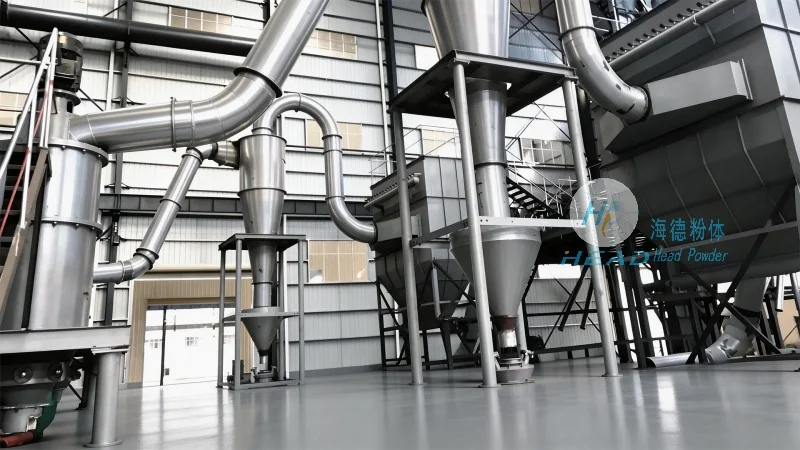
About HeadPowder Engineering Co., Ltd.
HeadPowder, a leading manufacturer in the field of concrete handling and conveying solutions, is dedicated to providing high-quality, reliable equipment for the construction industry. With a strong presence in Shandong, China, the company has established itself as a trusted partner for businesses seeking advanced solutions for concrete transportation. The company's commitment to innovation and customer satisfaction has enabled it to develop cutting-edge technologies that meet the evolving needs of the construction sector.
Introduction to Concrete Pneumatic Conveying Equipment
Concrete pneumatic conveying systems are engineered to handle the unique properties of concrete, which includes its high viscosity and the need for precise control during transport. These systems typically consist of a hopper for material storage, a blower or air compressor to generate the necessary air pressure, and a network of pipes that guide the concrete mixture to the desired location. The equipment is designed to maintain the integrity of the concrete mixture, preventing segregation and ensuring that the final product meets the required quality standards.
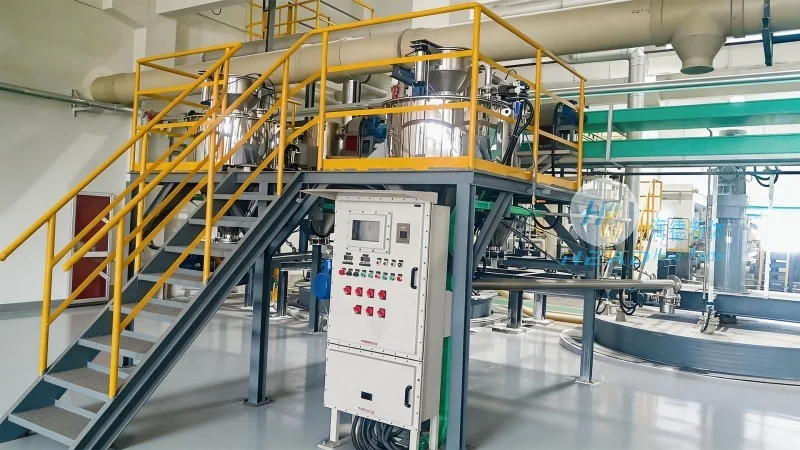
The Operation Process of Concrete Pneumatic Conveying
The operation process of a concrete pneumatic conveying system involves several key steps. First, the concrete mixture is loaded into the hopper. The system then activates the air compressor, which generates a flow of air through the pipes. As the air moves through the system, it creates a vacuum or pressure differential that pulls the concrete mixture from the hopper into the pipeline. The mixture travels through the pipes at a controlled speed, ensuring that it is transported without causing blockages or damage to the equipment. At the destination, the concrete is discharged into a container or directly onto the construction site. The entire process is automated and can be controlled remotely, allowing for efficient and consistent operation.
Working Principle of Concrete Pneumatic Conveying
The working principle of concrete pneumatic conveying is based on the principles of fluid dynamics and air pressure. The system uses a positive or negative pressure system to move the concrete. In a positive pressure system, the air compressor pushes air into the pipeline, creating a pressure that forces the concrete mixture through the pipes. In a negative pressure system, the air is drawn out of the pipeline, creating a vacuum that pulls the concrete mixture from the hopper. The choice between positive and negative pressure depends on the specific application and the distance the concrete needs to be transported. The system is designed to maintain a consistent flow rate and pressure, ensuring that the concrete mixture is transported smoothly and without interruptions.
Key Technical Features and Advantages
Concrete pneumatic conveying equipment offers several advantages over traditional transportation methods. One of the primary benefits is the ability to transport concrete over long distances without the need for intermediate storage or handling. This reduces the risk of material loss and contamination, as the concrete is kept in a closed system throughout the process. Additionally, the equipment is compact and can be installed in confined spaces, making it suitable for urban construction projects where space is limited. The automated operation of the system also reduces the need for manual labor, improving safety and efficiency on the job site. Furthermore, the system can be integrated with other concrete production equipment, creating a seamless workflow from mixing to delivery.
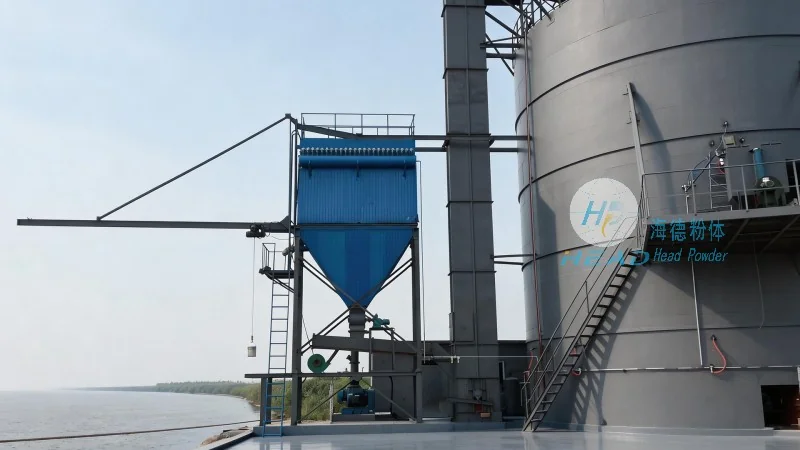
Applications and Use Cases
Concrete pneumatic conveying systems are used in a variety of applications across the construction industry. They are commonly employed in large-scale construction projects such as high-rise buildings, bridges, and infrastructure projects where the distance between the concrete mixing plant and the work site is significant. The equipment is also used in precast concrete facilities to transport finished products from the production line to storage or shipping areas. Additionally, the systems are utilized in industrial settings where concrete is used for flooring, walls, and other structural elements. The versatility of the equipment allows it to handle different types of concrete mixtures, including those with additives or special formulations, ensuring that the final product meets the specific requirements of each project.
Conclusion
Concrete pneumatic conveying equipment is a vital component of modern construction, providing an efficient and reliable method for transporting concrete materials. The technology has evolved significantly over the years, with advancements in materials and control systems that enhance performance and durability. As the construction industry continues to grow and demand more efficient solutions, the importance of concrete pneumatic conveying systems will only increase. With its ability to streamline operations and improve productivity, this equipment remains a key investment for businesses looking to stay competitive in the market.