

Operation Process and Working Principle of Zinc Oxide Pneumatic Conveying System
HeadPowder, a leading engineering company based in Shandong, China, specializes in the design, installation, and maintenance of advanced pneumatic conveying systems for various industrial applications, including the efficient handling of zinc oxide. This article provides a detailed overview of the operation process and working principle of such systems, highlighting the key components, operational steps, and technical considerations that ensure optimal performance and reliability.
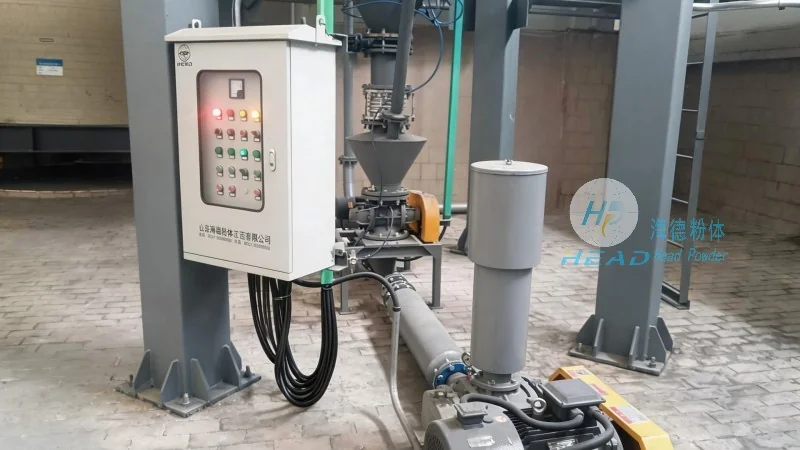
Introduction to Zinc Oxide Pneumatic Conveying Systems
Zinc oxide (ZnO) is a critical industrial material widely used in pharmaceuticals, rubber, ceramics, and other sectors due to its unique properties. The efficient and safe transportation of ZnO from storage to processing units is essential for maintaining production efficiency and product quality. Pneumatic conveying systems offer a solution by using air as the conveying medium to transport bulk materials like ZnO through pipelines, eliminating the need for mechanical components and reducing the risk of contamination or material degradation.
Key Components of the Pneumatic Conveying System
The zinc oxide pneumatic conveying system typically consists of several core components that work in tandem to achieve effective material transport. These components include:
- Feeder: The feeder is responsible for feeding ZnO from the storage silo or hopper into the conveying line. It ensures a consistent and controlled flow of material, preventing blockages and maintaining system efficiency.
- Pneumatic Conveying Line: This is the main pipeline through which compressed air and ZnO particles are transported. The line is designed with appropriate diameters and slopes to facilitate smooth material movement, minimizing friction and pressure losses.
- Compressor and Air Dryer: The compressor generates the necessary air pressure to move the ZnO particles, while the air dryer removes moisture from the air to prevent material caking or degradation, especially important for ZnO which can absorb moisture.
- Separation and Collection Equipment: At the receiving end, separation devices such as cyclones or filters are used to separate the ZnO particles from the air stream, ensuring that the material is collected in a clean and dry state.
- Control System: An automated control system monitors and regulates the flow of air and material, adjusting parameters like pressure, flow rate, and feeder speed to maintain optimal operation and prevent system failures.
Operation Process of the Zinc Oxide Pneumatic Conveying System
The operation of the zinc oxide pneumatic conveying system follows a systematic sequence of steps to ensure reliable material transport. The process begins with the storage of ZnO in a silo or hopper, where the material is kept under controlled conditions to prevent moisture absorption or degradation.
1. Material Feeding: The feeder draws ZnO from the storage silo and feeds it into the pneumatic conveying line at a controlled rate. This step ensures a steady supply of material to the system.
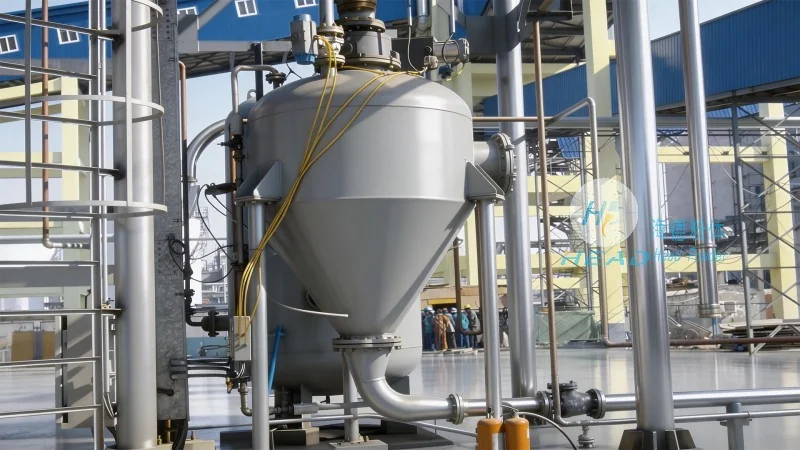
2. Air Compression and Drying: The compressor boosts the air pressure to the required level (typically 5-10 bar), and the air dryer removes moisture to maintain the air quality suitable for conveying ZnO.
3. Conveying: The compressed, dry air is introduced into the conveying line at the feeder end. The air flow creates a low-pressure zone that draws the ZnO particles into the pipeline, where they are carried along by the air stream. The air velocity is maintained above the minimum conveying velocity to prevent material deposition or blockages.
4. Transport to Destination: The ZnO particles are transported through the pipeline to the receiving unit, such as a processing plant or storage silo. The pipeline may include bends, valves, and other components that are designed to minimize pressure losses and maintain consistent flow.
5. Separation and Collection: At the receiving end, the air and ZnO particles are separated using a cyclone or filter. The ZnO particles are collected in a hopper or silo, while the air is either recirculated or vented to the atmosphere after being cleaned of any residual particles.
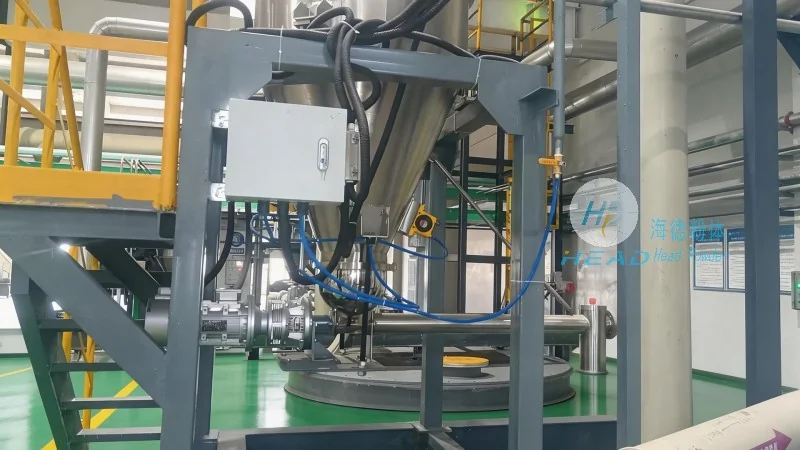
6. System Monitoring and Control: The control system continuously monitors key parameters such as pressure, flow rate, and material level. It adjusts the feeder speed, air pressure, and other variables to maintain optimal operation and prevent issues like overloading or under-conveying.
Working Principle of the Pneumatic Conveying System
The working principle of the zinc oxide pneumatic conveying system is based on the interaction between the air flow and the ZnO particles. The system operates on the principle of fluidization, where the air stream lifts and transports the solid particles through the pipeline. The key factors influencing the conveying process include:
- Air Velocity: The air velocity must be sufficient to overcome the gravitational force acting on the ZnO particles and maintain them in suspension. The minimum conveying velocity is determined by the particle size, density, and shape of the ZnO, as well as the pipeline diameter and air pressure.
- Pressure Drop: The pressure drop along the conveying line is a critical parameter that affects the system's efficiency. It is influenced by factors such as pipeline length, diameter, bends, and the flow rate of both air and material. Proper design of the pipeline and components minimizes pressure losses, ensuring that the compressor can maintain the required pressure.
- Material Properties: The physical properties of ZnO, such as its density (approximately 5.6 g/cm³), particle size distribution, and moisture content, significantly impact the conveying performance. Coarser particles may require higher air velocities and pressures, while finer particles are more prone to caking and require moisture control.
- System Efficiency: The efficiency of the pneumatic conveying system is measured by the ratio of the power consumed by the compressor to the power required to transport the ZnO. Optimizing the system design, including the use of appropriate components and control strategies, maximizes efficiency and reduces operational costs.
Benefits of Using Pneumatic Conveying for Zinc Oxide Handling
Implementing a pneumatic conveying system for zinc oxide handling offers several advantages over traditional mechanical conveying methods. These benefits include:
- Reduced Risk of Contamination: Pneumatic systems eliminate the need for mechanical components that can introduce contaminants into the ZnO, ensuring that the material remains pure and meets quality standards for pharmaceutical or food applications.
- Improved Safety: The enclosed pipeline system reduces the risk of dust explosions or material exposure, providing a safer working environment for operators.
- Enhanced Efficiency and Productivity: Automated control systems and optimized design allow for consistent material flow, reducing downtime and increasing production throughput.
- Lower Maintenance Costs: With fewer mechanical parts, the system requires less maintenance, leading to lower operational costs and longer service life.
- Flexibility in Layout: Pneumatic conveying systems can be easily integrated into existing plant layouts, allowing for flexible material transport between different processing units.
Conclusion
HeadPowder Engineering Co., Ltd., based in Shandong, China, specializes in the design and implementation of advanced pneumatic conveying systems for zinc oxide handling. By leveraging the principles of fluidization and controlled air flow, these systems provide efficient, safe, and reliable transport of ZnO from storage to processing units. The key to successful operation lies in proper component selection, system design, and continuous monitoring, ensuring optimal performance and minimal downtime. For industries relying on zinc oxide, pneumatic conveying systems offer a superior solution for material handling, enhancing productivity and maintaining product quality.