

Operation Process and Working Principle of Molybdenum Concentrate Pneumatic Conveying System
For industrial applications involving the transport of molybdenum concentrate, efficient and reliable material handling systems are crucial. The molybdenum concentrate pneumatic conveying system, developed by Shandong HeadPowder Engineering Co., Ltd., represents a sophisticated solution designed to meet the demands of modern mining and processing operations. This system integrates advanced engineering principles to ensure safe, high-capacity transport of molybdenum concentrate, a key component in various industrial applications.
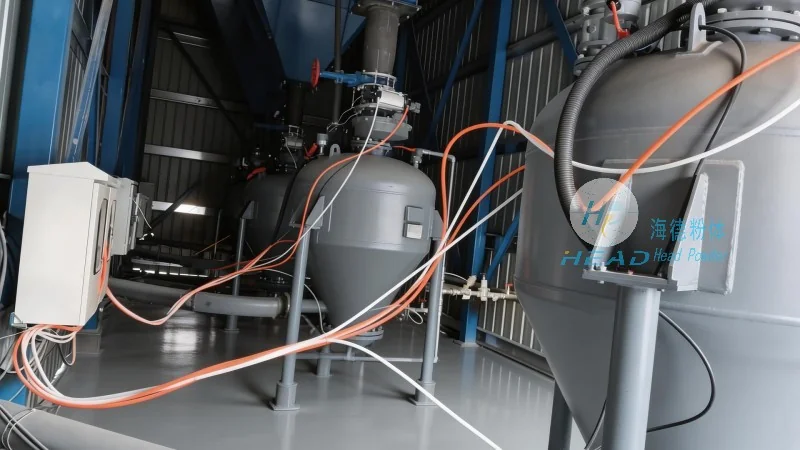
Company Profile: Shandong HeadPowder Engineering Co., Ltd.
HeadPowder, as the brand name of Shandong HeadPowder Engineering Co., Ltd., specializes in the design, manufacturing, and installation of advanced material handling equipment. With a strong focus on innovation and customer satisfaction, the company has established itself as a leading provider in the field of pneumatic conveying systems. Headquartered in Shandong, China, the company leverages local manufacturing capabilities and global expertise to deliver high-quality solutions tailored to the specific needs of its clients. The company’s commitment to quality and performance has earned it a reputation for reliability in the industry.
Overview of Molybdenum Concentrate Pneumatic Conveying System
The molybdenum concentrate pneumatic conveying system is a technology-driven solution that utilizes air pressure to transport molybdenum concentrate from one location to another. This system is particularly advantageous for applications where traditional bulk handling methods may be inefficient or impractical. By employing a combination of air flow and mechanical components, the system ensures the safe and efficient movement of molybdenum concentrate, minimizing material loss and operational downtime.
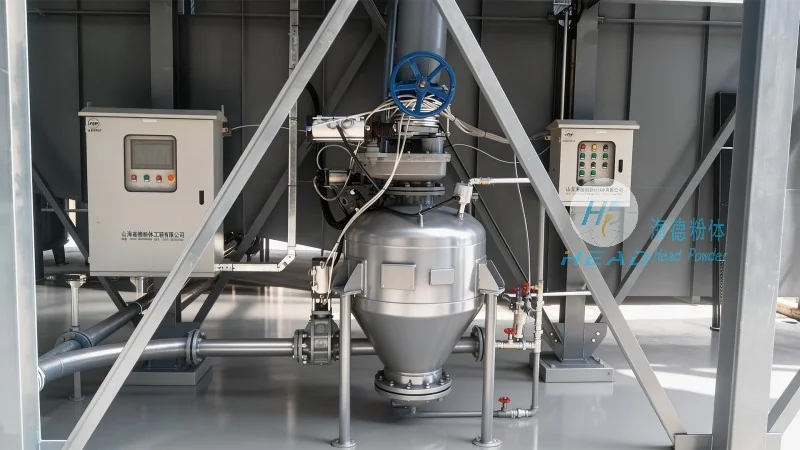
Key Components of the Pneumatic Conveying System
The molybdenum concentrate pneumatic conveying system consists of several critical components that work in tandem to achieve efficient material transport. These components include the hopper, which serves as the storage and feeding unit for the molybdenum concentrate; the air compressor, which generates the necessary air pressure for conveying; the conveying line, which transports the material through the system; and the receiver, where the material is deposited at the destination. Each component is carefully designed and manufactured to ensure optimal performance and durability under industrial conditions.
Working Principle of the Pneumatic Conveying System
The operation of the molybdenum concentrate pneumatic conveying system follows a systematic process. Initially, the molybdenum concentrate is fed into the hopper from the storage silo. The air compressor then generates a high-pressure air stream, which is introduced into the conveying line. As the air flows through the line, it creates a negative pressure environment that draws the molybdenum concentrate particles into the air stream. The mixture of air and concentrate travels through the conveying line to the receiver, where the material is separated from the air and deposited. The air is then filtered and recycled back into the system, ensuring minimal waste and energy efficiency.
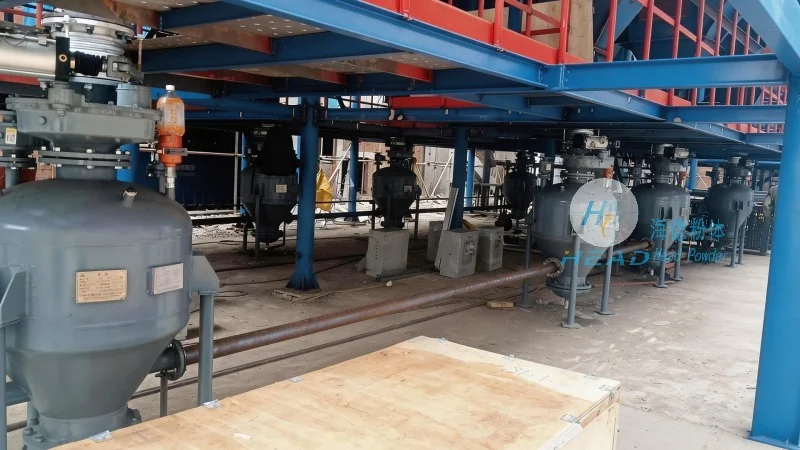
Operation Process of the Molybdenum Concentrate Pneumatic Conveying System
The operation process of the molybdenum concentrate pneumatic conveying system involves several sequential steps that ensure smooth and continuous material transport. The process begins with the loading of molybdenum concentrate into the hopper. The feeder mechanism then controls the flow rate of the concentrate into the conveying line. The air compressor maintains a consistent pressure, ensuring that the material is conveyed at the desired speed and volume. At the receiving end, the material is discharged into the designated storage or processing area. The system also includes monitoring and control features that allow operators to adjust parameters such as air pressure, flow rate, and material feed rate in real-time, optimizing performance and preventing system failures.
Advantages of the Molybdenum Concentrate Pneumatic Conveying System
Compared to traditional bulk handling methods, the molybdenum concentrate pneumatic conveying system offers several advantages that make it an ideal choice for industrial applications. One of the primary benefits is the ability to transport material over long distances without the need for intermediate storage or handling. This reduces the risk of material degradation and contamination, which is particularly important for molybdenum concentrate, a high-value product. Additionally, the system is highly flexible, allowing for easy integration with existing processing facilities and adaptation to changing production requirements. The system also minimizes labor costs and operational risks by automating the material transport process, reducing the need for manual handling and associated safety hazards.
Applications and Industries Served
The molybdenum concentrate pneumatic conveying system is widely used in various industries that require the transport of molybdenum concentrate. These include the mining and processing of molybdenum ore, the production of molybdenum-based alloys and chemicals, and the manufacturing of molybdenum compounds used in aerospace, electronics, and other high-tech applications. The system’s ability to handle fine powders and maintain material integrity makes it particularly suitable for industries where product quality and consistency are critical. By providing a reliable and efficient means of material transport, the system contributes to improved productivity and cost-effectiveness in these industries.
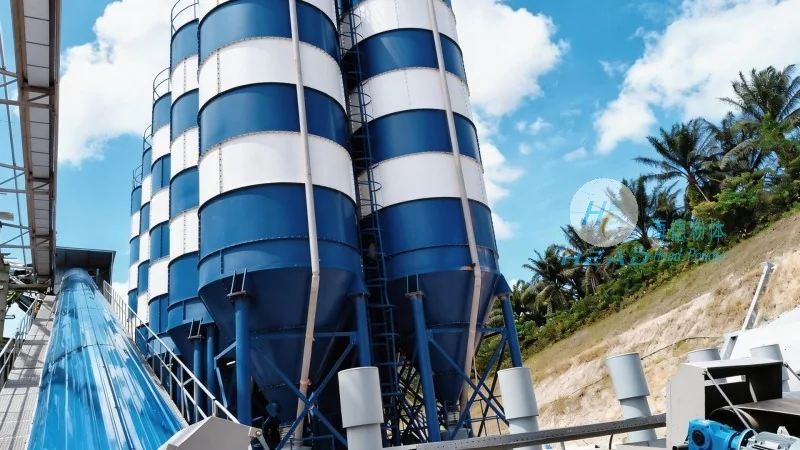
Maintenance and Operational Considerations
To ensure the long-term performance and reliability of the molybdenum concentrate pneumatic conveying system, regular maintenance and proper operational practices are essential. The system requires periodic inspection of components such as the air compressor, conveying line, and filters to identify and address any potential issues before they lead to system failures. Regular cleaning of the hopper and receiver is also necessary to prevent material buildup and blockages. Additionally, operators should follow the manufacturer’s guidelines for operating parameters, such as air pressure and flow rate, to avoid overloading the system and causing damage. By adhering to these maintenance and operational considerations, users can maximize the lifespan and efficiency of the system, ensuring consistent performance and minimal downtime.
Conclusion
The molybdenum concentrate pneumatic conveying system developed by Shandong HeadPowder Engineering Co., Ltd. represents a cutting-edge solution for the efficient and reliable transport of molybdenum concentrate. By integrating advanced engineering principles and robust components, the system offers numerous advantages over traditional bulk handling methods, including improved material integrity, reduced operational costs, and enhanced safety. With its ability to handle fine powders and operate over long distances, the system is well-suited for a wide range of industrial applications. As a leading provider in the field, HeadPowder continues to innovate and improve its products to meet the evolving needs of the industry, ensuring that its clients can achieve optimal performance and productivity in their molybdenum concentrate handling operations.