

Operation Process and Working Principle of Cement Dust Pneumatic Conveying System
For industrial applications, especially in the cement industry, efficient material handling is crucial for maintaining production efficiency and operational safety. The cement dust pneumatic conveying system, a key technology in modern material transport, offers a solution that combines advanced engineering with practical application. This system is designed to transport fine powders like cement dust through a network of pipes using air as the conveying medium, ensuring a clean, dust-free operation that minimizes environmental impact and enhances workplace safety.
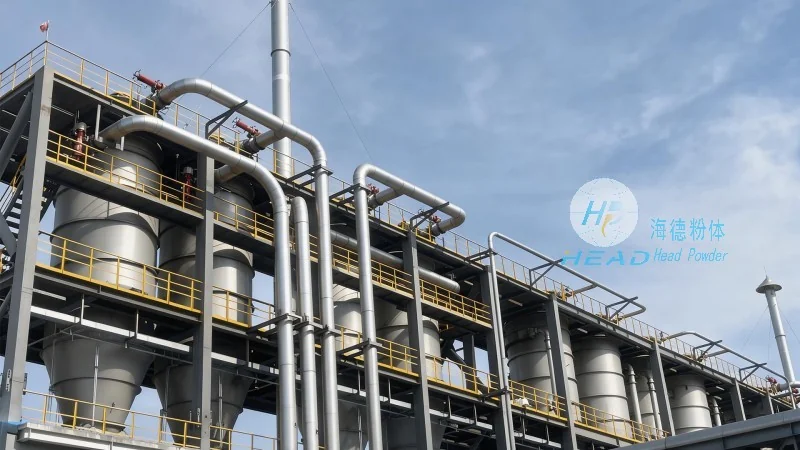
Introduction to the Cement Dust Pneumatic Conveying System
The cement dust pneumatic conveying system is a sophisticated piece of equipment developed by Shandong HeadPowder Engineering Co., Ltd. (hereinafter referred to as HeadPowder), a leading enterprise in China specializing in powder handling solutions. HeadPowder, with its headquarters in Shandong, China, has been at the forefront of providing customized pneumatic conveying systems tailored to the unique needs of the cement and related industries. The system integrates advanced control technologies and robust materials to ensure reliable and efficient transport of cement dust and other fine powders.
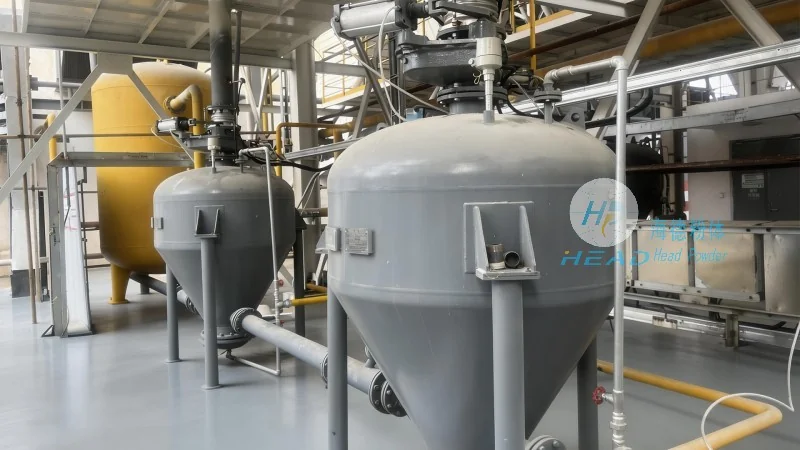
Working Principle of the Pneumatic Conveying System
The core of the cement dust pneumatic conveying system lies in its working principle, which leverages the kinetic energy of air to move particulate materials. There are two primary types of pneumatic conveying systems: the suction type (or negative pressure system) and the pressure type (or positive pressure system). In the suction system, a vacuum is created at the material inlet to draw the cement dust into the conveying line. The air and dust mixture is then transported through the pipeline to a separation unit where the dust is separated from the air. The pressure system, on the other hand, uses compressed air to push the material through the pipeline, typically from a storage silo or hopper to a processing unit. Both systems rely on the principle of air flow to suspend and transport the fine particles, ensuring a consistent and controlled flow rate.
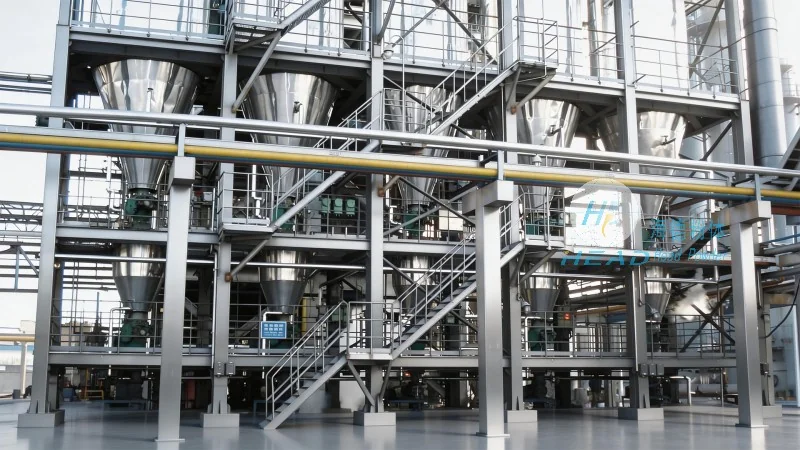
Key Components and Their Functions
The cement dust pneumatic conveying system consists of several critical components that work in harmony to achieve efficient material transport. These components include the material inlet or hopper, the air supply unit (either a vacuum pump for suction systems or a compressor for pressure systems), the conveying pipeline, the separation and filtration unit, and the material discharge outlet. The material inlet is designed to feed the cement dust into the system, often equipped with a feeder to maintain a steady flow. The air supply unit generates the necessary pressure or vacuum to move the material. The conveying pipeline, made of durable materials such as stainless steel or special plastic, ensures the material is transported without blockages or degradation. The separation unit, typically a cyclone or bag filter, separates the dust from the air, allowing the dust to be collected and the air to be discharged or recirculated. The discharge outlet delivers the cement dust to the next stage of the production process, such as a mixer or storage silo.
Operation Process of the System
The operation of the cement dust pneumatic conveying system follows a systematic process that ensures smooth and continuous material transport. The process begins with the loading of cement dust into the material inlet or hopper. The feeder then regulates the flow rate, ensuring a consistent supply of material to the system. The air supply unit activates, creating either a vacuum (for suction systems) or pressure (for pressure systems) to initiate the conveying process. As the air and cement dust mixture enters the pipeline, the particles are suspended and transported to the separation unit. In the separation unit, the centrifugal force or filtration process separates the dust from the air. The separated cement dust is collected in a container or directly fed to the next process, while the air is either filtered and recirculated or discharged to the atmosphere. The system is equipped with control panels that monitor key parameters such as pressure, flow rate, and material level, allowing operators to adjust the system as needed to maintain optimal performance. Regular maintenance, including cleaning of the separation unit and checking the condition of the pipeline, is essential to ensure the system operates efficiently and reliably over time.
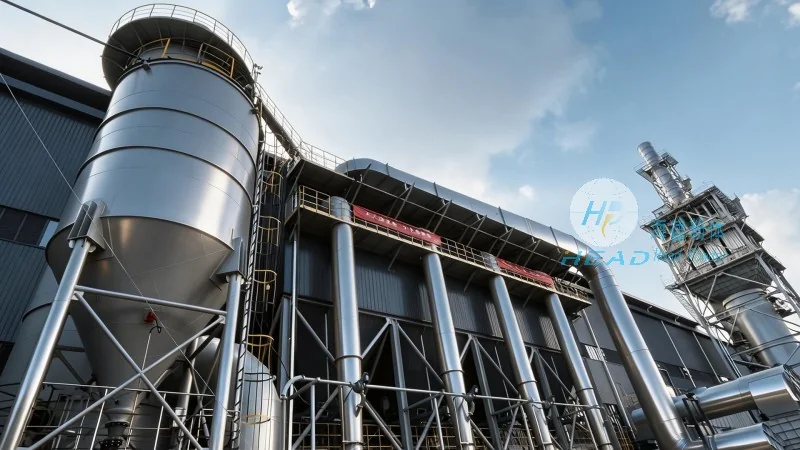
Advantages and Applications
The cement dust pneumatic conveying system offers several advantages that make it an ideal choice for the cement industry. One of the primary benefits is its ability to transport fine powders without the need for mechanical components like belts or buckets, which reduces the risk of material contamination and equipment wear. The system is also highly flexible, allowing for easy integration into existing production lines and the ability to transport materials over long distances with minimal energy consumption. Additionally, the system is designed to be dust-free, which enhances workplace safety and reduces environmental pollution. HeadPowder's cement dust pneumatic conveying systems are widely used in various applications within the cement industry, including the transport of raw materials from storage silos to grinding mills, the transfer of finished cement products to packaging units, and the handling of byproducts such as fly ash. The system's efficiency and reliability make it a critical component in modern cement production facilities, contributing to increased productivity and reduced operational costs.