

Operation Process and Working Principle of Dry Sludge Pneumatic Conveying Systems
Understanding the operation process and working principle of dry sludge pneumatic conveying systems is crucial for optimizing waste management and treatment processes in industrial and municipal settings. These systems are designed to efficiently transport dry sludge, a byproduct of wastewater treatment, from one location to another without the need for traditional mechanical equipment like pumps or conveyors. The technology leverages the principles of pneumatic transport, utilizing air pressure to move the dry material through a pipeline network.
Key Components and Their Roles
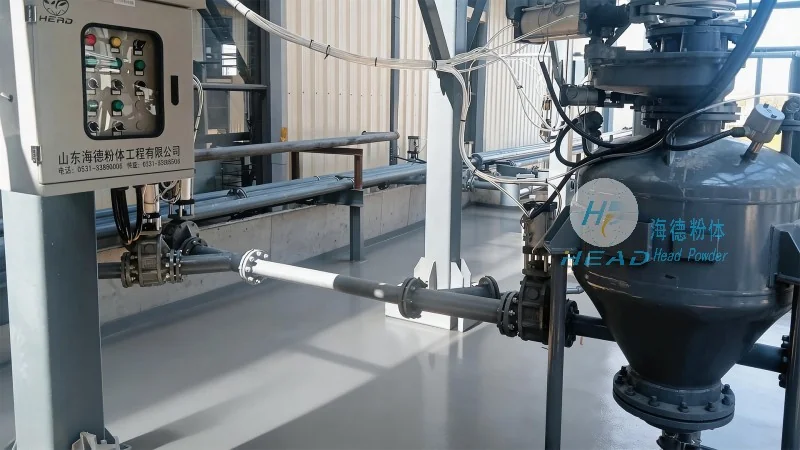
The dry sludge pneumatic conveying system typically consists of several key components that work in tandem to ensure effective and reliable operation. These components include the sludge dryer, air compressor, conveying pipeline, control system, and receiving hopper. Each component plays a vital role in the overall process, contributing to the system's efficiency and performance.
The sludge dryer is responsible for reducing the moisture content of the raw sludge to a level suitable for pneumatic transport. This step is critical because wet sludge can clog pipes and reduce the system's capacity. The dryer may use thermal or mechanical methods to achieve the desired dryness, ensuring the sludge is in a dry, free-flowing state.
The air compressor generates the necessary pressure to move the dry sludge through the pipeline. It supplies a consistent flow of compressed air, which acts as the medium for conveying the material. The compressor's capacity and pressure must be matched to the system's requirements to avoid underperformance or excessive energy consumption.
The conveying pipeline is the main channel through which the dry sludge travels. It is usually made of durable materials like stainless steel or PVC to withstand the abrasive nature of the sludge and the pressure from the air. The pipeline is designed with appropriate bends and fittings to maintain the flow and prevent blockages. The diameter and length of the pipeline are critical factors that affect the system's efficiency and the pressure drop along the line.
The control system monitors and regulates the operation of the entire system. It includes sensors and controls that manage the air pressure, flow rate, and the operation of the dryer and compressor. The control system ensures that the system operates within safe and efficient parameters, preventing overloading or underperformance and providing real-time feedback to operators.
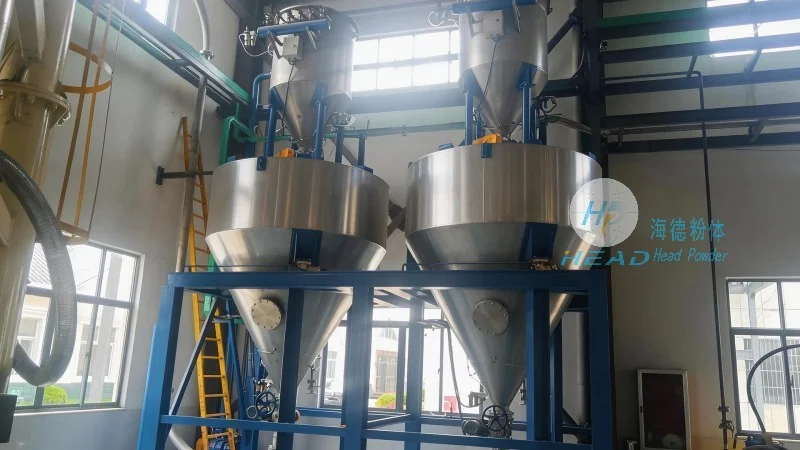
The receiving hopper is the final component of the system, where the dry sludge is deposited after being conveyed through the pipeline. It is designed to handle the incoming material and distribute it to the next stage of processing or disposal. The hopper's design, including its shape and size, is optimized to minimize the risk of blockages and ensure smooth discharge.
Operation Process Overview
The operation process of a dry sludge pneumatic conveying system involves several sequential steps that ensure the efficient transport of dry sludge from the source to the destination. The process begins with the collection of raw sludge from the wastewater treatment facility. The sludge is then fed into the sludge dryer, where it undergoes drying to reduce its moisture content to an appropriate level.
Once the sludge is sufficiently dry, it is transferred to the conveying pipeline. The air compressor then starts, generating the required pressure to move the dry sludge through the pipeline. The dry sludge is carried by the air flow, moving through the pipeline network to the receiving hopper at the destination.
During the conveying process, the control system continuously monitors the pressure and flow rate to ensure optimal performance. If any issues arise, such as a blockage or pressure drop, the control system triggers alarms or adjusts the operation of the compressor to resolve the problem. This real-time monitoring and control help maintain the system's efficiency and prevent downtime.
The receiving hopper collects the dry sludge and may be connected to further processing equipment or disposal methods. The entire process is automated to a large extent, reducing the need for manual intervention and minimizing the risk of human error. The system operates continuously, providing a reliable and efficient method for transporting dry sludge over long distances.
Working Principle Explained
The working principle of dry sludge pneumatic conveying systems is based on the fundamental concept of pneumatic transport, where a gas (in this case, air) is used to move solid particles through a pipeline. The system operates on the principle of pressure differentials, where the air compressor creates a high-pressure zone at the inlet of the pipeline, and the receiving end is at a lower pressure or atmospheric pressure.
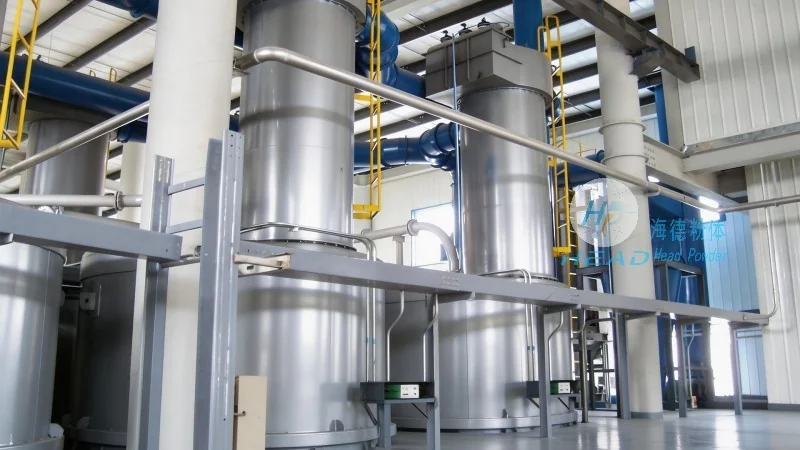
When the air compressor is activated, it forces compressed air into the pipeline, creating a flow of air that carries the dry sludge particles. The dry sludge is suspended in the air stream, and the air pressure propels it through the pipeline. The velocity of the air and the size of the sludge particles determine the conveying velocity and the pressure drop along the pipeline.
The system utilizes a combination of positive and negative pressure, depending on the configuration. In a positive pressure system, the entire pipeline is maintained at a higher pressure than the surrounding atmosphere, pushing the material forward. In a negative pressure system, the receiving end is at a lower pressure, drawing the material through the pipeline. Both systems are effective, but the choice depends on the specific application and the distance to be covered.
The efficiency of the pneumatic conveying system is influenced by several factors, including the air flow rate, the moisture content of the sludge, the particle size distribution, and the pipeline design. Proper design and maintenance of the system are essential to ensure optimal performance and minimize energy consumption. The working principle relies on the interaction between the air flow and the solid particles, requiring careful consideration of the material properties and system parameters.
Benefits and Applications
Dry sludge pneumatic conveying systems offer several advantages over traditional mechanical conveying methods. These systems are highly efficient in terms of energy consumption and can transport dry sludge over long distances without the need for intermediate storage or handling. The technology is also more hygienic and reduces the risk of cross-contamination compared to other methods.
The applications of dry sludge pneumatic conveying systems are widespread in the wastewater treatment industry. They are commonly used to transport dry sludge from the treatment plant to landfills, incineration facilities, or other disposal sites. The systems can also be used in industrial settings where sludge is a byproduct of chemical processes, providing a reliable method for material handling and disposal.
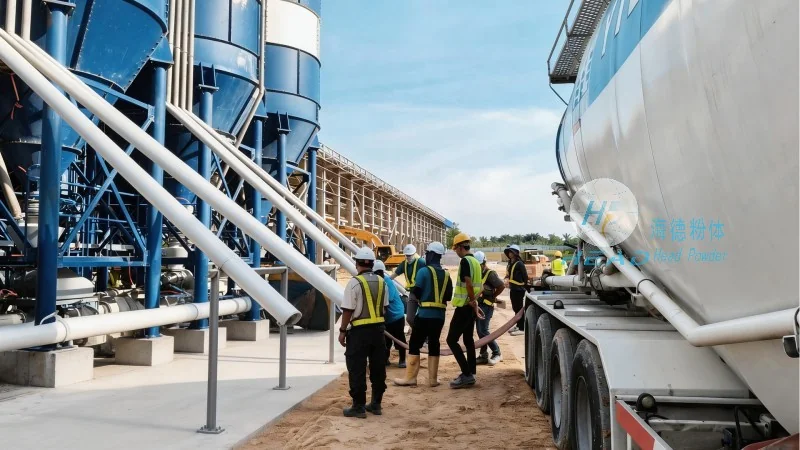
The benefits of using these systems include reduced labor costs, improved safety due to the absence of moving parts, and enhanced environmental performance. The systems are designed to minimize emissions and noise, making them suitable for use in both industrial and municipal environments. Additionally, the dry sludge produced by these systems is often more suitable for reuse or disposal, as it has a lower moisture content and is less prone to clogging.
Maintenance and Operational Considerations
Proper maintenance and operational considerations are essential to ensure the long-term performance and reliability of dry sludge pneumatic conveying systems. Regular maintenance of the components, such as the air compressor, dryer, and pipeline, is crucial to prevent breakdowns and extend the system's lifespan.
The air compressor requires regular maintenance to ensure it operates at optimal efficiency. This includes checking the oil levels, replacing filters, and inspecting the compressor for any signs of wear or damage. The sludge dryer also needs to be maintained to ensure consistent drying performance, which may involve cleaning the dryer and checking the heat source or mechanical components.
The conveying pipeline should be inspected regularly for any signs of wear, corrosion, or blockages. This includes checking the pipeline for cracks, leaks, or buildup of sludge particles. Any issues should be addressed promptly to prevent further damage or system failure. The control system should also be checked regularly to ensure it is functioning correctly and providing accurate data.
Operational considerations include monitoring the system's performance parameters, such as pressure, flow rate, and moisture content. Operators should be trained to recognize signs of system issues and take appropriate action to resolve them. Regular cleaning of the system components, especially the receiving hopper and pipeline, is also important to maintain system efficiency and prevent blockages.
By following proper maintenance procedures and operational guidelines, the dry sludge pneumatic conveying system can provide reliable and efficient service for many years. This ensures that the system continues to meet the needs of the wastewater treatment facility or industrial plant, contributing to the overall efficiency and effectiveness of the waste management process.