

Operation Process and Working Principle of Air-Driven Transport for Precipitated Barium Sulfate
This section introduces the air-driven transport technology specifically designed for handling precipitated barium sulfate. The system is engineered to efficiently move this material from one location to another within industrial settings, ensuring high reliability and minimal downtime. The technology addresses common challenges associated with traditional material handling methods, such as dust generation and mechanical wear, by leveraging pneumatic principles.
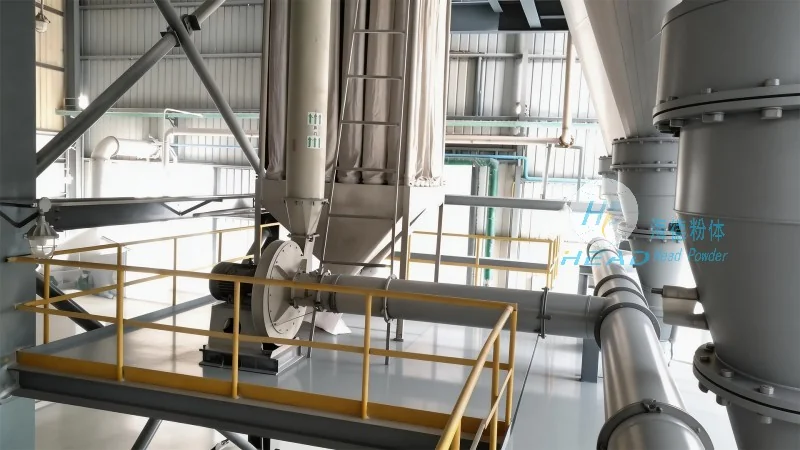
Company Overview: Shandong HeadPowder Engineering Co., Ltd.
HeadPowder, a leading manufacturer in the powder processing industry, specializes in providing advanced solutions for material transport and processing. With a strong presence in Shandong, China, the company has built a reputation for innovation and quality. The company's expertise lies in customizing air-driven transport systems to meet the unique requirements of various industrial applications, including those involving heavy or fine powders like precipitated barium sulfate.
Technical Overview of the Air-Driven Transport System
The air-driven transport system for precipitated barium sulfate operates on the principle of pneumatic conveying, where compressed air is used to move the material through a network of pipes. The system typically consists of several key components, including a hopper for material storage, a rotary valve for controlled discharge, a pipeline system, and a receiver for material collection. The design of the system is optimized to handle the specific properties of precipitated barium sulfate, such as its particle size and density, ensuring efficient and consistent transport.
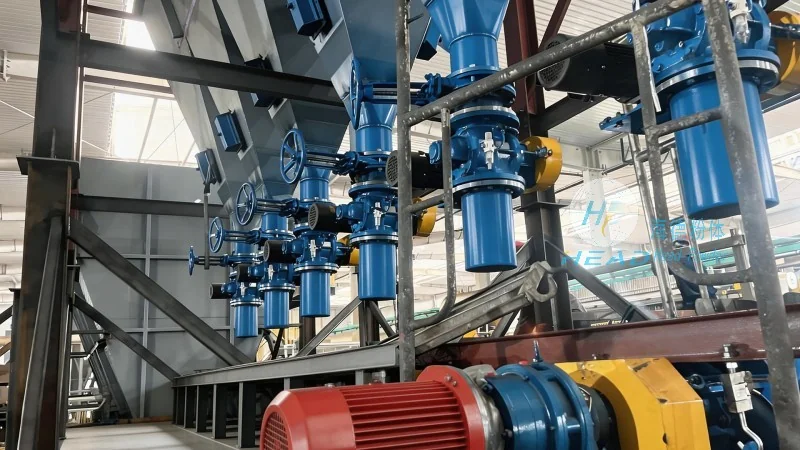
Operational Process of the Air-Driven Transport System
The operational process begins with the loading of precipitated barium sulfate into the storage hopper. The material is then discharged from the hopper into the pipeline system through a rotary valve, which controls the flow rate and prevents backflow. Compressed air is introduced into the pipeline, creating a flow that carries the material particles forward. The material travels through the pipeline to the receiver, where it is collected and prepared for further processing or distribution. The entire process is automated, with sensors and controls monitoring key parameters such as pressure, flow rate, and material level to ensure smooth operation.
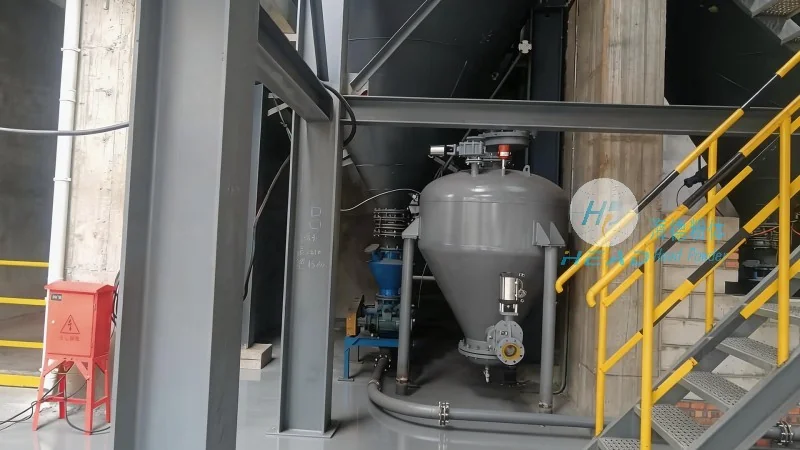
Working Principle of the Air-Driven Transport System
The working principle of the air-driven transport system relies on the interaction between the material particles and the air flow. As compressed air moves through the pipeline, it creates a low-pressure zone that draws the material particles into the air stream. The particles are then carried along with the air flow, suspended in the pipeline until they reach the receiver. The system uses a combination of pressure and velocity to maintain the material in a suspended state, preventing blockages and ensuring consistent transport. The design of the system is tailored to the specific characteristics of precipitated barium sulfate, such as its fine particle size and cohesive properties, to optimize performance.
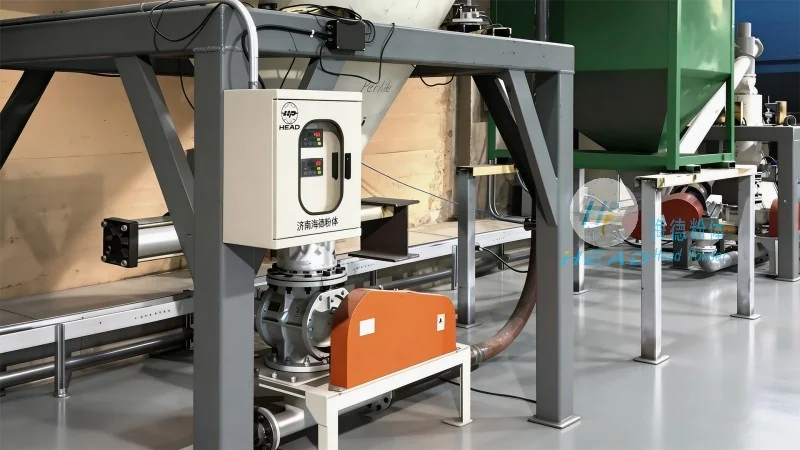
Key Features and Benefits of the Air-Driven Transport Solution
The air-driven transport solution for precipitated barium sulfate offers several key features and benefits. One of the primary advantages is its ability to handle fine and cohesive powders without causing excessive wear on the system components. The system is also highly efficient, with minimal energy consumption compared to traditional mechanical conveyors. Additionally, the pneumatic design reduces the risk of dust contamination and improves safety in the workplace. The system is scalable, allowing for customization to accommodate varying production volumes and material flow rates. The reliability of the system is enhanced by automated controls and monitoring, reducing the need for manual intervention and minimizing downtime.
Application Scenarios and Industry Relevance
The air-driven transport system for precipitated barium sulfate is widely used in various industrial applications, particularly in the chemical and pharmaceutical industries. It is commonly employed in the production of barium sulfate-based products, such as pigments and coatings, where consistent material handling is critical. The system is also used in the processing of other fine powders, where the benefits of pneumatic conveying, such as reduced contamination and improved efficiency, are highly valued. The solution is particularly suitable for applications where traditional mechanical conveyors may not be effective due to the properties of the material, such as high dust generation or abrasive particles.