

Principle and Working Scene Characteristics of Foam Granular Material Pneumatic Conveying Lines
HeadPowder, a leading engineering company based in Shandong, China, specializes in the design and implementation of advanced pneumatic conveying systems for foam granular materials. This article explores the fundamental principles behind these systems and highlights the key working scene characteristics that define their application in various industrial settings.
The Principle of Foam Granular Material Pneumatic Conveying
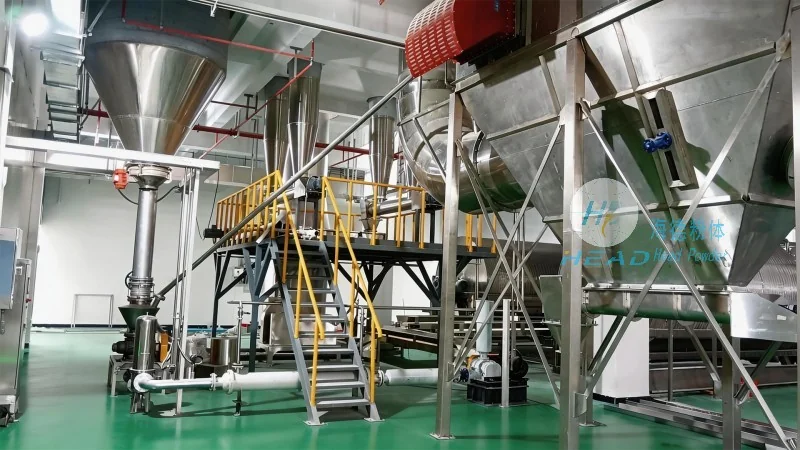
The core principle of foam granular material pneumatic conveying involves the use of compressed air to transport granular materials through a closed pipeline system. Unlike traditional mechanical conveyors, this method relies on the kinetic energy of the air to move the material, eliminating the need for physical contact and reducing friction. The process typically begins with the material being fed into a hopper or feeder, where it is then introduced into the conveying line. Compressed air is introduced at one end of the pipeline, creating a flow that propels the material forward. The foam granular nature of the material, characterized by its lightweight and porous structure, influences the air velocity and pressure requirements to ensure efficient transport without degradation or clogging.
Key Components and System Design
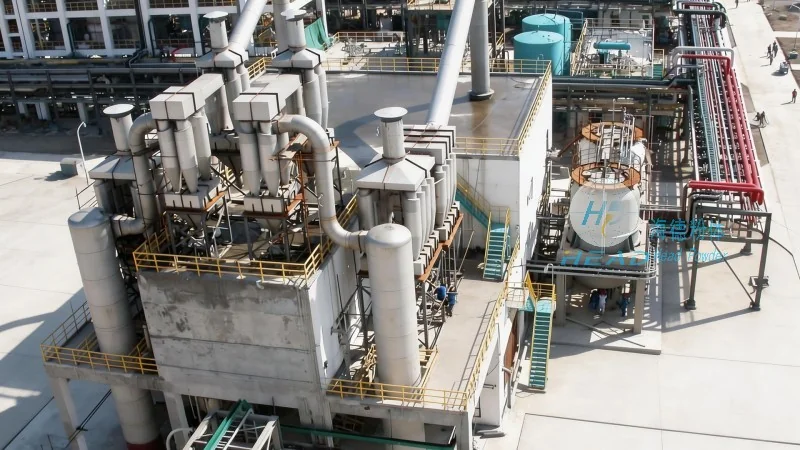
Effective foam granular material pneumatic conveying systems consist of several critical components that work in tandem to ensure reliable operation. The primary components include a material feeder, which controls the flow rate of the granular material into the system; a conveying pipeline, typically made of stainless steel or other corrosion-resistant materials to handle the foam's chemical properties; a pressure vessel or separator, which separates the material from the air at the end of the line; and a control system that monitors and adjusts air pressure, flow rate, and material feed. The design of these components is tailored to the specific characteristics of the foam granular material, such as its density, moisture content, and particle size distribution, to optimize performance and prevent issues like blockages or material degradation.
Working Scene Characteristics and Application Scenarios
The working scene characteristics of foam granular material pneumatic conveying lines are defined by their adaptability to diverse industrial environments and the specific requirements of different applications. In the chemical industry, for example, these systems are used to transport foam granules used in the production of plastics or coatings, where maintaining a clean and dust-free environment is crucial. The food and pharmaceutical industries also benefit from this technology, as it allows for the safe and hygienic transfer of foam granular materials without cross-contamination or exposure to contaminants. Additionally, in the manufacturing sector, these systems are employed in the production of foamed products, where the ability to control the material's flow and consistency is essential for maintaining product quality. The flexibility of the system allows it to be integrated into existing production lines or used as a standalone solution, depending on the specific needs of the application.
Advantages and Considerations in Industrial Use
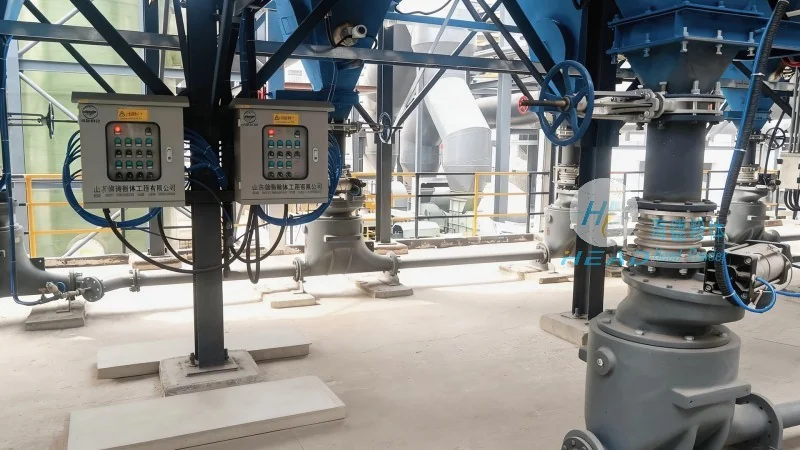
Several advantages make foam granular material pneumatic conveying lines a preferred choice in industrial applications. These include the ability to transport materials over long distances without the need for intermediate storage or handling, reduced labor costs due to automated operation, and improved safety by eliminating manual handling of potentially hazardous materials. However, there are also considerations to keep in mind, such as the need for proper air filtration to prevent dust accumulation in the system and the importance of regular maintenance to ensure optimal performance. The system's efficiency is also dependent on the proper selection of air pressure and flow rate, which must be adjusted based on the material's properties and the distance of transport.