

Principle and Working Scene Characteristics of Carbide Dust Removal Powder Pneumatic Conveying Syste
Carbide dust removal powder pneumatic conveying systems are critical components in industrial processes that handle the byproducts of calcium carbide production. These systems are designed to efficiently collect, transport, and manage the fine powders generated during the dust removal stage, ensuring safe and effective material handling. The core principle of such systems revolves around the use of compressed air or other gas streams to move particulate materials through pipelines, leveraging the principles of fluidization and pneumatic transport.
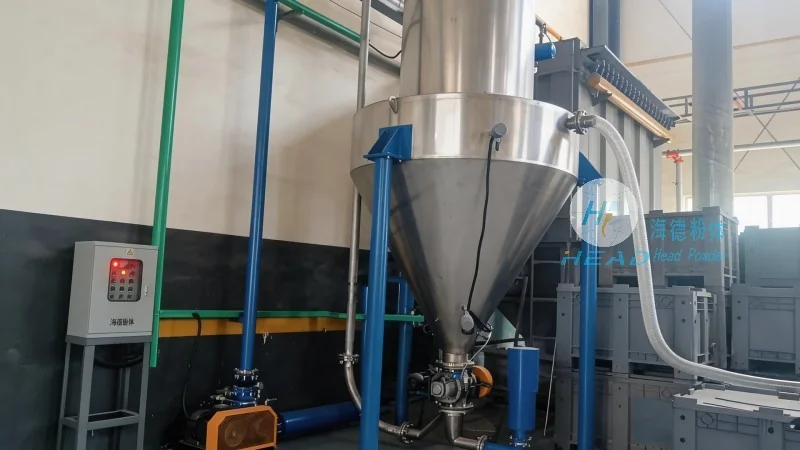
System Principle: How Pneumatic Conveying Works
The fundamental mechanism of a carbide dust removal powder pneumatic conveying system is based on the conversion of solid particles into a fluidized state through the introduction of a gas stream. In this process, the powder is suspended and transported by the moving air or gas, which creates a homogeneous mixture known as a slurry or a dilute phase flow. The system typically consists of several key components, including a dust collector, a conveying pipeline, a blower or compressor to generate the air flow, and a receiver or discharge unit. The dust collector captures the fine carbide dust from the production environment, while the blower provides the necessary pressure and flow rate to move the material through the pipeline. As the air flows through the conveying line, it carries the suspended powder particles, allowing them to be transported over long distances without the need for mechanical components like belts or buckets.
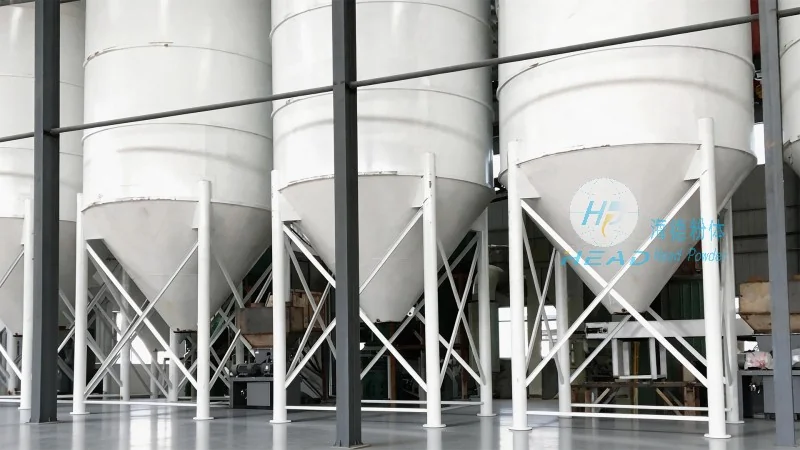
Working Scene Characteristics: Industrial Applications
Carbide dust removal powder pneumatic conveying systems are widely employed in industrial settings where calcium carbide is produced, such as chemical plants, steel manufacturing facilities, and industrial processing units. The working scene characteristics of these systems are tailored to the specific demands of each application, ensuring optimal performance and safety. For instance, in chemical plants, the system must handle high volumes of fine dust, often with varying particle sizes and moisture content. The design of the conveying pipeline and the selection of the blower are critical to maintaining the efficiency of the transport process. In steel manufacturing, the system may need to integrate with existing dust collection equipment, requiring compatibility with the plant's infrastructure and operational parameters.
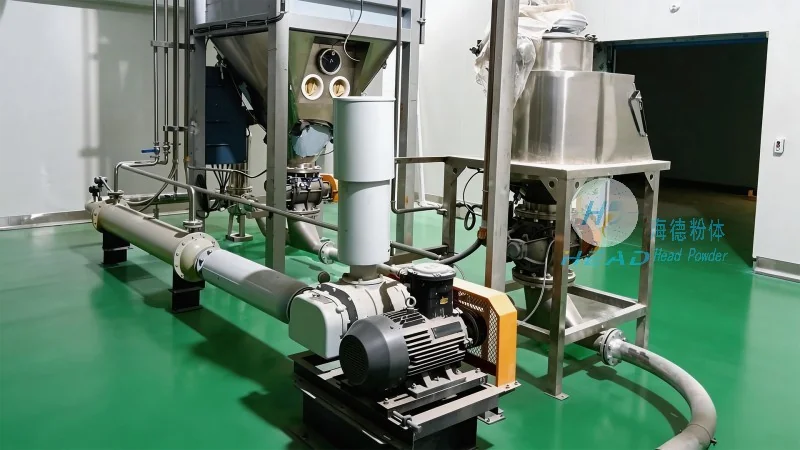
Key Features and Advantages in Industrial Settings
One of the primary advantages of carbide dust removal powder pneumatic conveying systems is their ability to handle fine, abrasive powders without causing wear and tear on the equipment. The use of air as the conveying medium minimizes the risk of material degradation and contamination, which is essential for maintaining product quality. Additionally, these systems are highly flexible, allowing for changes in the conveying distance or the volume of material being transported by adjusting the air pressure or flow rate. The compact design of the system also makes it suitable for installation in confined spaces, which is common in many industrial environments. Furthermore, the system's ability to operate continuously without frequent maintenance reduces downtime and operational costs, making it a cost-effective solution for long-term material handling needs.
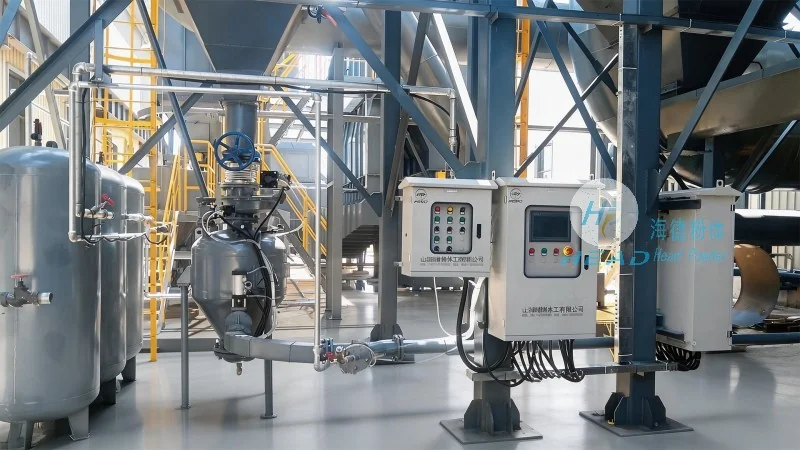
Company Profile: Shandong HeadPowder Engineering Co., Ltd.
Shandong HeadPowder Engineering Co., Ltd., commonly known as HeadPowder, is a leading provider of specialized engineering solutions for industrial powder handling systems. With its headquarters located in Shandong, China, the company has established itself as a trusted partner in the chemical and industrial sectors, offering customized pneumatic conveying systems tailored to the unique requirements of each client. HeadPowder's expertise lies in the design, manufacturing, and installation of efficient dust removal and material transport solutions, ensuring that clients receive systems that meet their operational and safety standards. The company's commitment to quality and innovation has enabled it to serve a wide range of industries, from chemical production to steel manufacturing, and has earned a reputation for reliability and performance in the market.