

Principles and Working Scene Characteristics of Wheat Bran Powder Pneumatic Conveying
Wheat bran, a byproduct of wheat milling, is widely utilized in industries such as food processing, animal feed production, and pharmaceutical manufacturing. The efficient and safe transportation of wheat bran powder is essential for smooth industrial operations. Pneumatic conveying, a technology that utilizes air to transport bulk materials, has emerged as a preferred method for handling wheat bran due to its advantages in hygiene, speed, and operational flexibility. This article delves into the principles of wheat bran powder pneumatic conveying and highlights the key characteristics of its working environments, offering practical insights into its real-world applications.
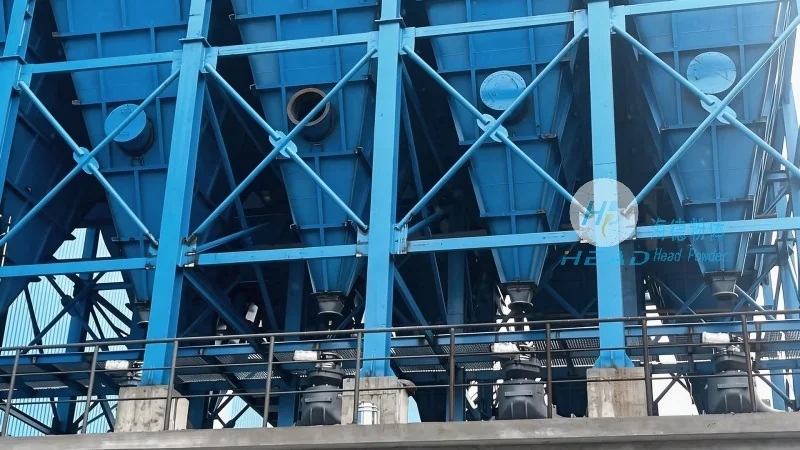
Company Introduction
Shandong HeadPowder Engineering Co., Ltd., a leading enterprise in powder handling technology, specializes in the design, manufacturing, and installation of pneumatic conveying systems. With a strong emphasis on innovation and customer satisfaction, the company has established itself as a reliable partner for industries requiring efficient powder transport solutions. HeadPowder's expertise in wheat bran powder pneumatic conveying is built on years of experience and a deep understanding of the material's properties and handling challenges.
The Principle of Wheat Bran Powder Pneumatic Conveying
Wheat bran powder pneumatic conveying operates on the principle of transporting dry bulk materials using a stream of air. The process typically involves either positive or negative pressure systems, depending on the specific application and material characteristics. In positive pressure systems, air is blown into the conveying line, creating a pressure higher than the ambient air, which propels the wheat bran powder forward. Negative pressure systems, conversely, use suction to draw the material into the line, creating a vacuum that pulls the powder through. The choice between these systems is determined by factors such as the transport distance, material volume, and the need for dust control.
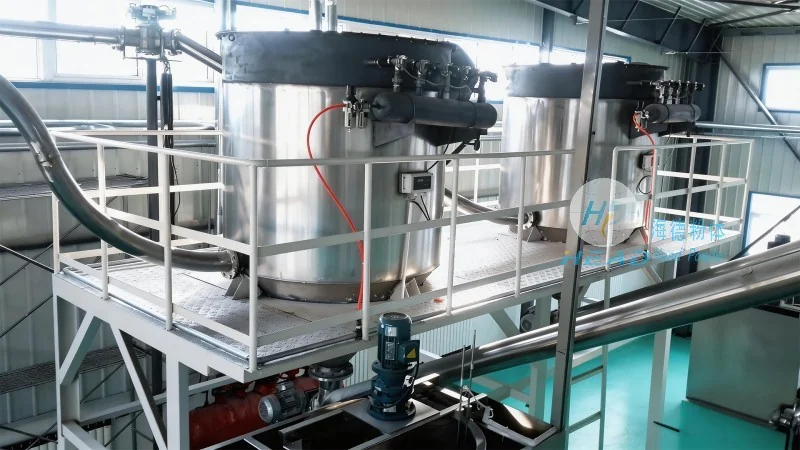
The core components of a pneumatic conveying system for wheat bran include the material hopper, the air compressor or vacuum pump, the conveying line, and the discharge point. The material hopper is designed to store the wheat bran and ensure a consistent feed rate. The air compressor or vacuum pump provides the necessary air pressure or suction to move the powder. The conveying line, usually made of stainless steel or other corrosion-resistant materials, is equipped with appropriate fittings and valves to control the flow and direction of the material. The discharge point is where the wheat bran is released into the next processing stage, such as a mixer or storage silo.
Working Scene Characteristics of Wheat Bran Powder Pneumatic Conveying
The working scene characteristics of wheat bran powder pneumatic conveying systems are tailored to meet the specific needs of industrial environments. These characteristics include high efficiency, low maintenance, and the ability to handle large volumes of material. In food processing facilities, for example, the system must comply with hygiene standards, which means using materials that are easy to clean and maintain, such as stainless steel. The system also needs to be designed to minimize dust generation, as wheat bran is a fine powder that can cause respiratory issues if inhaled.
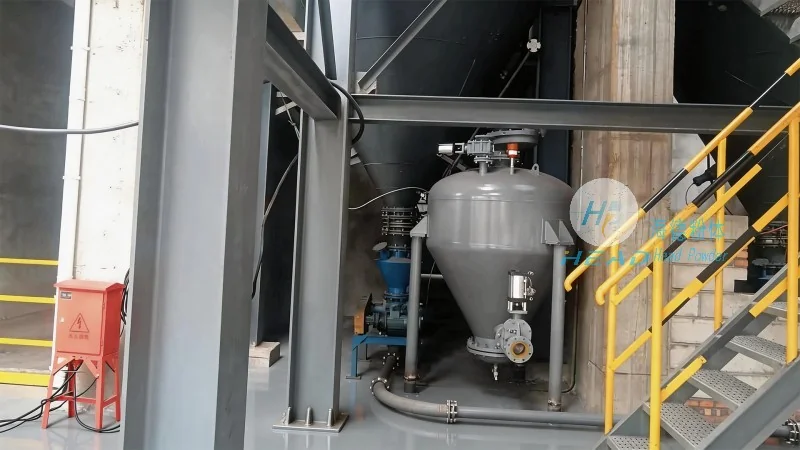
In animal feed production, the pneumatic conveying system must be robust enough to handle the abrasive nature of wheat bran and other feed ingredients. The system's components, such as the hopper and conveying line, are often constructed with wear-resistant materials to extend their lifespan. Additionally, the system may need to be integrated with other processing equipment, such as grinders or mixers, to ensure a smooth flow of materials throughout the production line.
Pharmaceutical applications of wheat bran powder pneumatic conveying require even stricter controls, including temperature regulation and contamination prevention. The system must be designed to maintain a sterile environment, which involves using filters to remove particles and bacteria from the air stream. The discharge point is often equipped with a dust collector to capture any fine particles that may escape, ensuring that the material remains clean and free from contaminants.
Advantages and Considerations in Wheat Bran Powder Pneumatic Conveying
Wheat bran powder pneumatic conveying offers several advantages over traditional methods like bucket elevators or belt conveyors. These advantages include reduced labor costs, as the system can operate automatically with minimal human intervention. The system also provides better control over the material flow, allowing for precise dosing and mixing. Furthermore, pneumatic conveying systems are more flexible, as they can be easily reconfigured to accommodate changes in production requirements or to transport materials over longer distances.

However, there are also considerations to keep in mind when implementing a wheat bran powder pneumatic conveying system. One of the main challenges is the potential for material buildup in the conveying line, which can lead to blockages and system downtime. This issue can be mitigated by using appropriate line sizes and ensuring proper maintenance. Another consideration is the energy consumption of the system, as air compressors or vacuum pumps can be energy-intensive. To address this, manufacturers often use energy-efficient designs and regular maintenance to optimize performance.
Conclusion
Wheat bran powder pneumatic conveying is a highly effective and versatile method for transporting bulk materials in various industrial applications. By understanding the principles of this technology and the characteristics of its working scenes, industries can optimize their operations and improve overall efficiency. Shandong HeadPowder Engineering Co., Ltd. continues to lead in the development of advanced pneumatic conveying systems, providing customized solutions that meet the specific needs of their clients. With its commitment to quality and innovation, HeadPowder remains a trusted partner for businesses seeking reliable and efficient powder handling solutions.