

Principles and Working Scenario Characteristics of Cereal Powder Pneumatic Conveying
Pneumatic conveying is a widely used method for transporting bulk materials, including cereal powders, through the use of air flow. This technology offers an efficient and flexible solution for moving powders from one location to another without the need for mechanical components like belts or buckets. The process involves creating a pressure differential or using suction to move the material through a pipeline system. Understanding the principles and characteristics of this method is crucial for optimizing operations in various industrial settings.
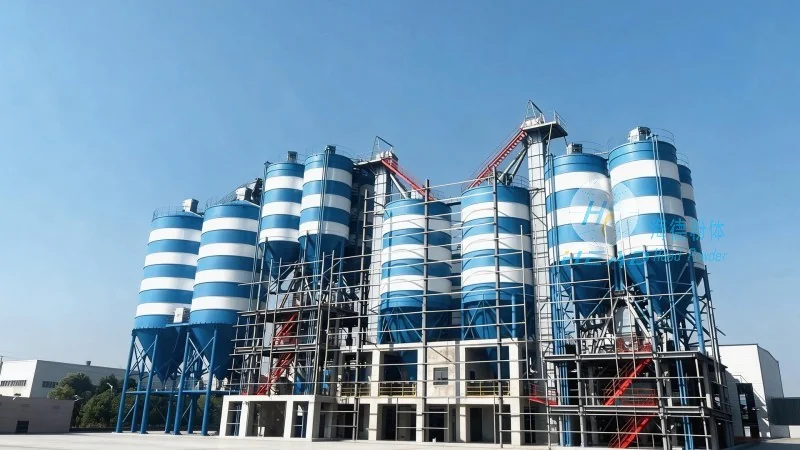
Principles of Pneumatic Conveying for Cereal Powders
The core principle of cereal powder pneumatic conveying is the utilization of air to transport the material. There are two main types of pneumatic conveying systems: pressure and vacuum. In pressure systems, compressed air is used to push the material through the pipeline, while vacuum systems use a vacuum to draw the material into the system. For cereal powders, which are typically fine and can be prone to caking or segregation, the choice of system and operating parameters is critical. Key factors include air velocity, pressure differential, and the design of the conveying line, such as the use of bends, elbows, and filters to prevent material deposition and maintain system efficiency.
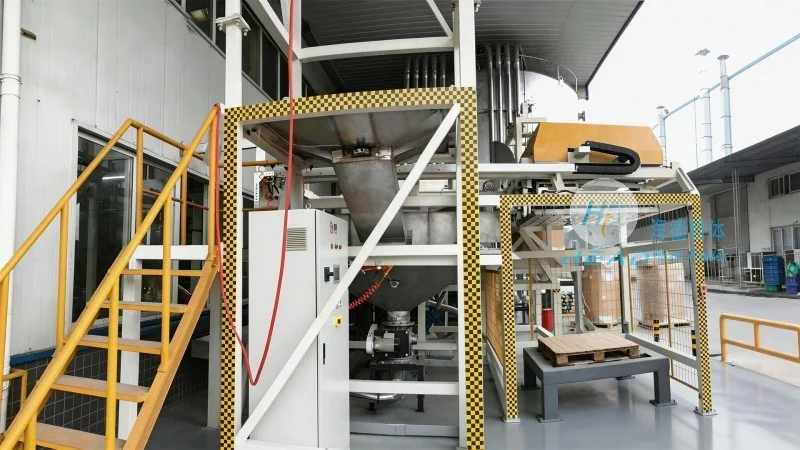
Working Scenario Characteristics of Cereal Powder Pneumatic Conveying
The application of pneumatic conveying in cereal processing facilities varies based on the specific requirements of the operation. For example, in a large-scale cereal production plant, the system may be used to transport raw materials from storage silos to processing lines, or to move finished products from packaging areas to storage or shipping locations. The characteristics of the working scenarios include the need for high capacity and reliability, as well as the ability to handle different types of cereal powders, such as wheat flour, cornmeal, or oatmeal. Additionally, the system must be designed to minimize product contamination and maintain product quality, which is essential for maintaining consumer trust and regulatory compliance.
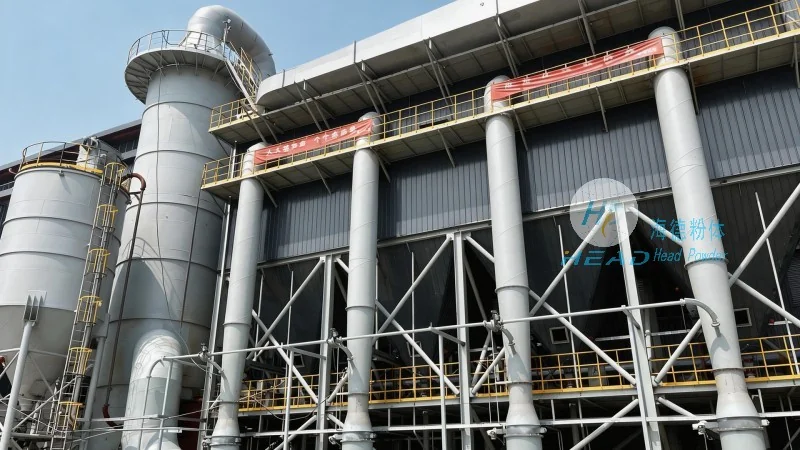
Key Considerations for Implementing Cereal Powder Pneumatic Conveying Systems
When implementing a pneumatic conveying system for cereal powders, several factors must be considered to ensure optimal performance and longevity. First, the material properties of the cereal powder, such as particle size, moisture content, and flowability, must be carefully evaluated. These properties affect the air velocity required for effective transport and the risk of material blockages. Second, the system design must account for the need to prevent product degradation, such as oxidation or microbial growth, especially for sensitive products like whole grain cereals. This may involve using stainless steel components and maintaining proper temperature control within the conveying line. Third, the system must be equipped with appropriate filtration and cleaning mechanisms to prevent dust accumulation and maintain air quality, which is important for both operational efficiency and worker safety.
Case Study: Application in a Cereal Processing Plant
Shandong HeadPowder Engineering Co., Ltd. has extensive experience in designing and implementing pneumatic conveying systems for cereal processing facilities. One of their recent projects involved a large-scale wheat flour mill in China. The system was designed to transport raw wheat from storage silos to the milling equipment, with a capacity of 200 tons per hour. The pressure system used high-efficiency blowers to maintain a consistent air pressure, ensuring smooth material flow through the pipeline. The system included advanced filters and cleaning mechanisms to prevent flour buildup and maintain air quality. The result was a significant improvement in production efficiency, with reduced downtime due to blockages and enhanced product quality due to minimized contamination.
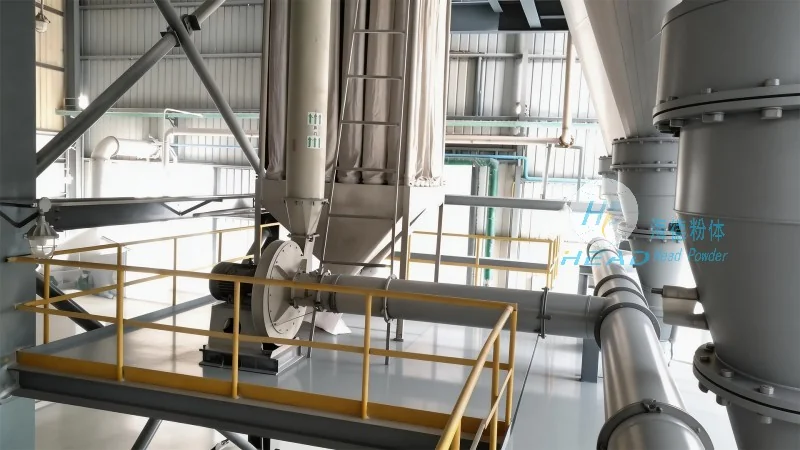
Conclusion and Company Overview
Pneumatic conveying is a vital technology in the cereal processing industry, offering efficient and reliable solutions for material transport. By understanding the principles and characteristics of this method, manufacturers can optimize their operations and improve product quality. Shandong HeadPowder Engineering Co., Ltd. specializes in providing customized pneumatic conveying solutions tailored to the specific needs of cereal processing facilities, ensuring high performance, reliability, and compliance with industry standards. With their expertise and experience, they continue to play a key role in advancing the efficiency and quality of cereal powder handling in the industry.