

Principle and Working Scene Characteristics of Dry Sludge Material Handling Equipment
Shandong HeadPowder Engineering Co., Ltd., a leading enterprise based in Shandong, China, specializes in the research, development, and manufacturing of advanced dry sludge material handling equipment. This article provides an in-depth exploration of the working principles and key characteristics of such equipment, highlighting its applications across various industrial sectors.
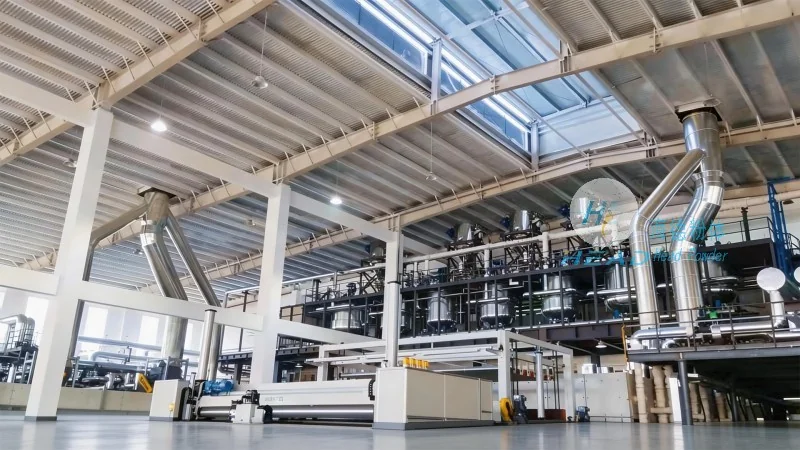
Introduction to Dry Sludge Material Handling Equipment
Dry sludge material handling equipment is a specialized system designed to transport and process dry sludge, which is a byproduct of industrial wastewater treatment processes. Unlike traditional wet sludge handling methods, these systems focus on reducing moisture content and enabling efficient material transport. The equipment typically integrates components such as conveyor belts, screw conveyors, or pneumatic transport systems, tailored to handle dry, granular, or fibrous sludge materials. The primary goal is to enhance operational efficiency, reduce environmental impact, and facilitate the reuse or disposal of sludge in compliance with industrial standards.
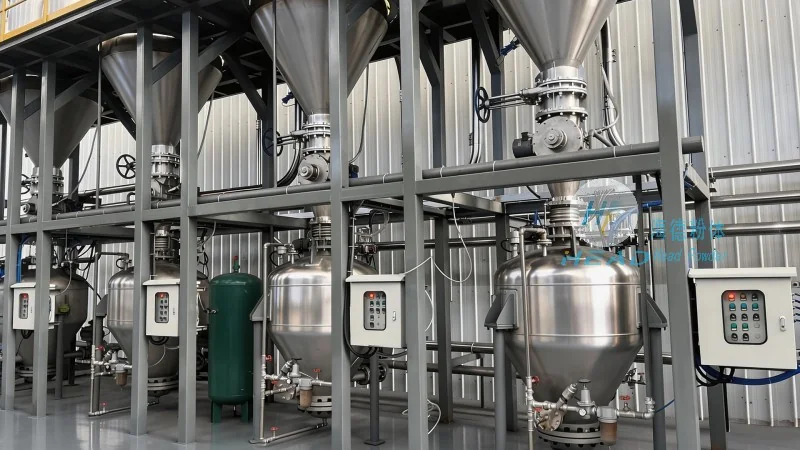
Working Principle of Dry Sludge Transport Equipment
The core working principle of dry sludge material handling equipment revolves around the mechanical transfer of dry sludge through a series of interconnected components. The process begins with the intake of dry sludge, which is then conveyed through a system of rotating or sliding mechanisms. For example, screw conveyors utilize a rotating helical screw to move sludge along a closed or open channel, while belt conveyors employ a continuous belt with a series of rollers to transport material over longer distances. In pneumatic systems, dry sludge is transported via air pressure through pipelines, utilizing airlocks or rotary valves to control the flow. The equipment is equipped with variable speed drives and control systems to adjust the transport rate based on the material's properties and operational requirements. Additionally, features like dust suppression, material separation, and temperature regulation are integrated to ensure safe and efficient operation.
Key Working Scene Characteristics
Dry sludge material handling equipment is characterized by its adaptability to diverse working environments and operational demands. In industrial wastewater treatment plants, the equipment is used to transport dried sludge from dewatering units to storage or disposal sites, ensuring a continuous and hygienic process. In mining operations, it facilitates the handling of dry tailings or ore residues, reducing the risk of dust and improving material management efficiency. The equipment also finds applications in construction sites for handling dry construction waste, such as concrete debris or soil, contributing to sustainable site management. Key characteristics include high transport capacity, low energy consumption, and minimal maintenance requirements, making it suitable for both large-scale industrial and smaller-scale municipal applications. The systems are designed to operate in harsh conditions, with robust construction to withstand abrasion, corrosion, and temperature fluctuations, ensuring long-term reliability and performance.
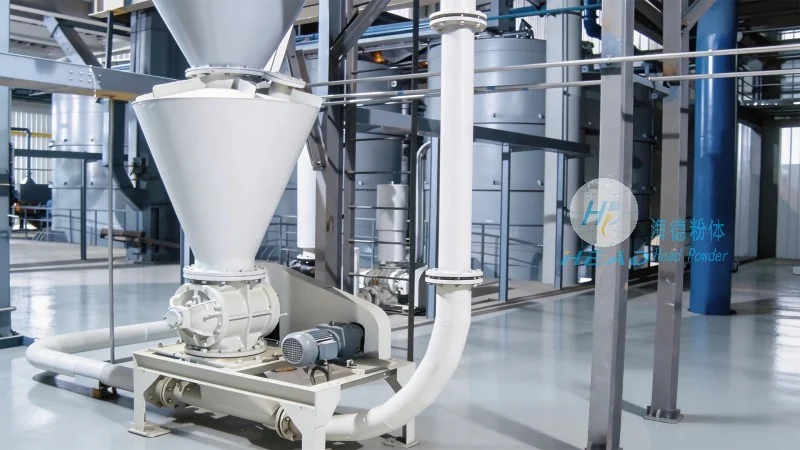
Application Examples and Operational Benefits
Real-world applications of dry sludge material handling equipment demonstrate its effectiveness in optimizing material flow and reducing operational costs. For instance, in a municipal wastewater treatment facility, the equipment has been implemented to transport dried sludge from the sludge drying beds to the final disposal area, achieving a 30% reduction in handling time compared to traditional methods. In a mining operation, the system has enabled the efficient transfer of dry tailings to storage ponds, minimizing environmental contamination and improving site safety. The operational benefits include improved process control, reduced labor costs, and enhanced environmental compliance. The equipment's modular design allows for easy integration into existing infrastructure, and its low maintenance requirements contribute to overall cost savings. By addressing the challenges of dry sludge handling, this technology supports sustainable industrial practices and environmental protection.