

Principles and Working Scene Characteristics of Cereal Material Conveying Equipment
For manufacturers in the cereal processing industry, efficient material handling is crucial to maintaining production efficiency and product quality. Cereal material conveying equipment is a key component in the production line, responsible for transporting raw materials, intermediate products, and finished goods with precision and reliability. Understanding the principles and working characteristics of these systems is essential for optimizing production processes and ensuring smooth operation in various industrial settings.
Working Principles of Cereal Material Conveying Equipment
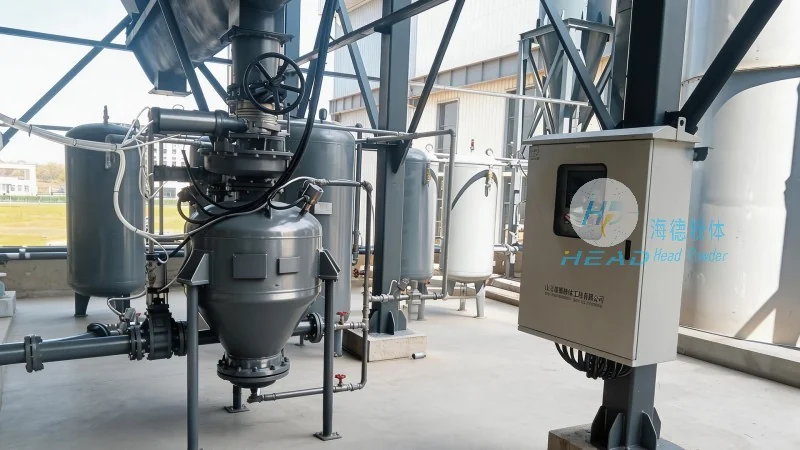
The core principle of cereal material conveying equipment is to transport bulk materials, such as grains, flakes, and other cereal products, from one point to another within a production facility. These systems typically operate based on mechanical or pneumatic mechanisms, designed to handle the specific physical properties of cereal materials, including their size, shape, and moisture content. The equipment may include components like hoppers, feeders, conveyors (e.g., belt, screw, or pneumatic), and control systems that regulate the flow and speed of material movement. The design of the conveying system is tailored to the characteristics of the cereal being processed, ensuring minimal product damage and consistent throughput.
Key Components and Their Functions
Several critical components work together to ensure the effective operation of cereal material conveying equipment. The hopper serves as the storage and feeding unit, holding the raw materials and regulating the flow into the conveyor system. The feeder, often a screw or vibratory type, controls the rate at which material is discharged from the hopper, preventing overloading or underfeeding. The conveyor itself, which can be a belt conveyor, screw conveyor, or pneumatic conveyor, transports the material horizontally or vertically. For vertical transport, elevators are commonly used to lift materials to higher levels, while horizontal conveyors move materials across the production floor. Control systems, including sensors and programmable logic controllers (PLCs), monitor the flow rate, position, and status of the material, allowing for real-time adjustments to maintain optimal performance.
Working Scene Characteristics and Applications
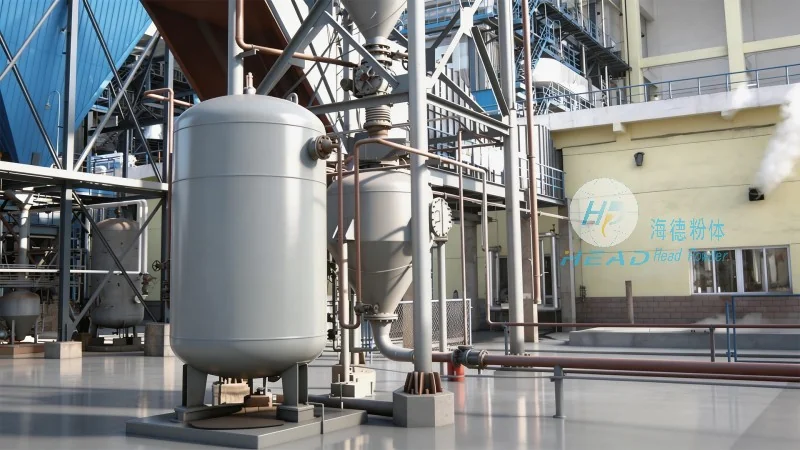
The working scene characteristics of cereal material conveying equipment vary depending on the specific production environment and the type of cereal being processed. In large-scale cereal production facilities, such as those manufacturing breakfast cereals, the equipment is designed to handle high volumes of material with minimal downtime. The working environment may involve high temperatures, dust, and moisture, requiring robust construction and corrosion-resistant materials to ensure durability. In contrast, smaller-scale operations may use more compact and flexible conveying systems suitable for batch processing or specialized product lines. The equipment is also adapted to different stages of the production process: from raw material intake and storage to intermediate processing and final packaging. For example, in the production of corn flakes, the conveying system may transport raw corn kernels to a grinding station, then move the processed flakes to a drying and packaging area. The flexibility of these systems allows them to integrate seamlessly with other production equipment, such as mixers, ovens, and packaging machines.
Advantages and Benefits of Efficient Cereal Material Conveying
Implementing advanced cereal material conveying equipment offers numerous advantages for manufacturers. The primary benefit is improved production efficiency, as the equipment minimizes material handling time and reduces the risk of bottlenecks in the production line. By ensuring consistent material flow, the system helps maintain uniform product quality, which is critical for consumer satisfaction and brand reputation. Additionally, the automated control systems reduce the need for manual intervention, lowering labor costs and minimizing human error. The equipment's design also contributes to better safety in the workplace, as it eliminates the need for workers to handle heavy or bulky materials manually. Furthermore, the use of energy-efficient components and optimized flow rates can lead to reduced operational costs and lower environmental impact, aligning with sustainability goals in the industry.
Case Study: Application in a Leading Cereal Manufacturer
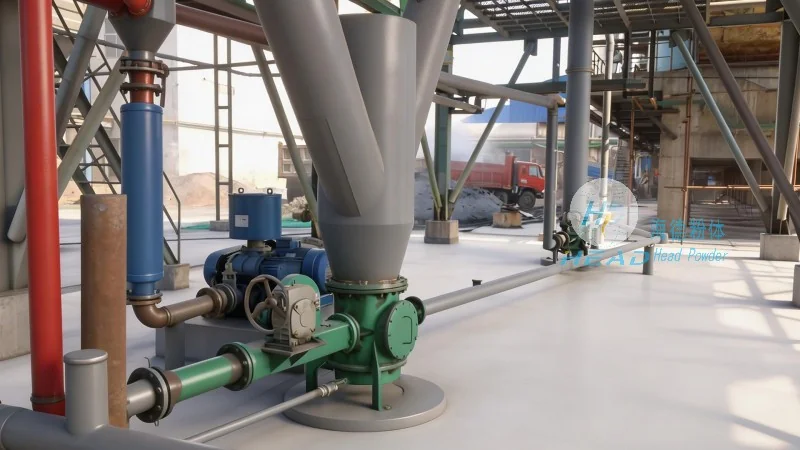
Shandong HeadPowder Engineering Co., Ltd., a renowned manufacturer of industrial conveying equipment, has successfully implemented its cereal material conveying systems in a major cereal production facility in China. The company, known as HeadPowder, provided a comprehensive solution that included a combination of screw conveyors, belt conveyors, and pneumatic transport systems tailored to the customer's specific production needs. The system was designed to handle a wide range of cereal products, from whole grains to pre-processed flakes, with minimal product degradation. The installation process involved careful integration with the existing production line, ensuring seamless operation and minimal disruption to the manufacturer's workflow. The customer reported significant improvements in production efficiency, with a 20% reduction in material handling time and a 15% increase in overall throughput. The system's reliability and durability have also contributed to lower maintenance costs and extended equipment lifespan, making it a cost-effective investment for the long term.
Conclusion and Future Developments
Cereal material conveying equipment plays a vital role in the modern cereal processing industry, enabling manufacturers to achieve high levels of efficiency, quality, and productivity. The principles and working characteristics of these systems are designed to meet the specific demands of cereal production, from raw material handling to final product delivery. As technology advances, manufacturers like Shandong HeadPowder Engineering Co., Ltd. continue to innovate, developing more efficient, flexible, and sustainable conveying solutions. The integration of advanced control systems, materials science, and automation technology will further enhance the performance of cereal material conveying equipment, supporting the growth and success of the cereal industry worldwide.