

Principle and Working Scene Characteristics of Ammonium Bicarbonate Material Handling Systems
HeadPowder, a leading engineering company based in Shandong, China, specializes in the design and implementation of specialized material handling systems tailored for the unique requirements of ammonium bicarbonate processing. This article explores the fundamental principles behind such systems and highlights the key characteristics of their operational environments.

Company Overview and Expertise
HeadPowder Engineering Co., Ltd. is a reputable enterprise in the field of industrial engineering, with its headquarters located in Shandong, China. The company has built a strong reputation by delivering high-quality engineering solutions for various industrial applications, particularly in the chemical and fertilizer sectors. With a focus on innovation and precision, HeadPowder provides customized material handling systems that meet the stringent demands of modern production processes.
The Core Principle of Ammonium Bicarbonate Material Handling Systems
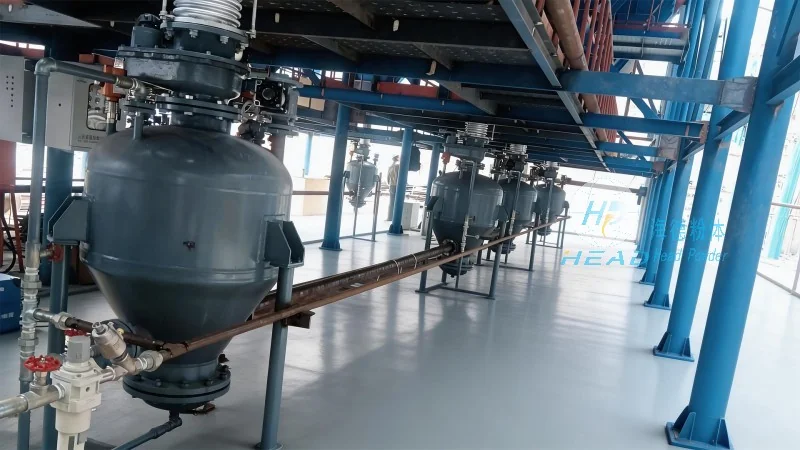
The primary objective of an ammonium bicarbonate material handling system is to ensure efficient and safe transportation of this chemical compound from storage to processing units. Ammonium bicarbonate (NH₄HCO₃) is a volatile compound commonly used in the production of fertilizers and other chemical products. Its handling requires specialized equipment due to its properties, such as hygroscopic nature and tendency to decompose under heat or pressure. The system typically involves a combination of storage tanks, conveyor belts, pneumatic conveyors, and control mechanisms to maintain the material's integrity and prevent loss or contamination.
Key Working Scene Characteristics
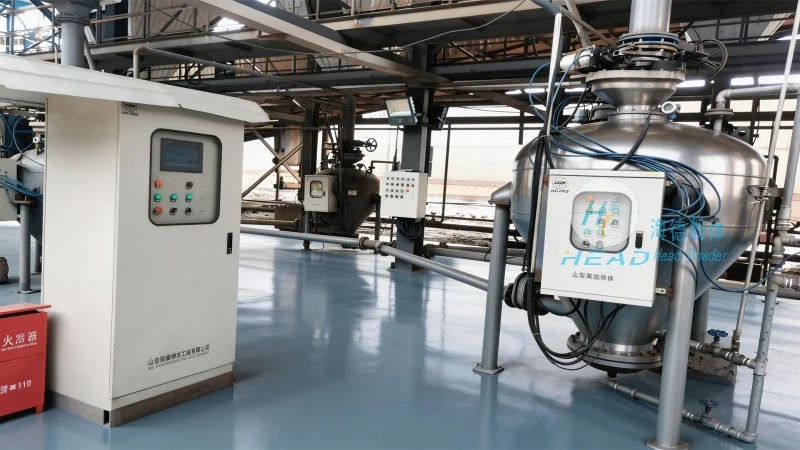
The operational environment of ammonium bicarbonate material handling systems is characterized by several critical factors that influence system design and performance. Firstly, the material's hygroscopic properties mean that it can absorb moisture from the air, leading to caking or clumping. This necessitates the use of dry, low-humidity conditions and possibly anti-caking agents or additives in the system. Secondly, the system must be designed to handle the material's tendency to decompose at elevated temperatures or when exposed to acidic substances. This requires temperature control and the use of corrosion-resistant materials for the equipment. Thirdly, the system needs to ensure minimal exposure to air to prevent premature decomposition and loss of potency. This is often achieved through sealed containers and controlled airflow within the system. Additionally, the system must be capable of handling varying material flow rates, as production demands may fluctuate. The design must accommodate both high and low flow scenarios without compromising efficiency or safety.
System Components and Their Functions
A typical ammonium bicarbonate material handling system comprises several key components, each playing a vital role in the overall operation. The storage tank is the initial component, where the material is stored under controlled conditions to maintain its quality. From the storage tank, the material is transferred to a conveyor system, which may be a belt conveyor or a pneumatic conveyor, depending on the specific requirements. The conveyor system ensures the material moves smoothly and efficiently to the processing unit. Pneumatic conveyors are often preferred for ammonium bicarbonate due to their ability to handle fine powders and maintain low temperatures. The control system monitors and regulates the flow of material, ensuring that the system operates within safe parameters. Sensors and alarms are integrated into the system to detect any deviations, such as overfilling or temperature spikes, and trigger appropriate responses to prevent accidents. The entire system is designed to be modular, allowing for easy maintenance and upgrades as production needs evolve.
Advantages of Customized Material Handling Solutions
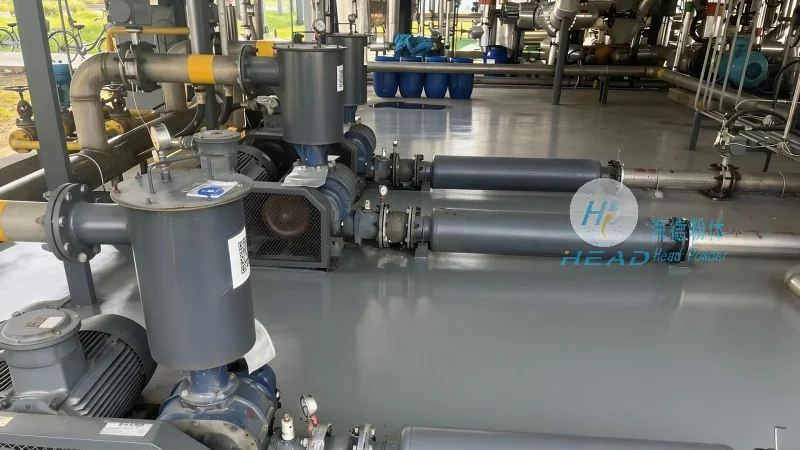
Customizing material handling systems for ammonium bicarbonate offers several advantages over standard solutions. Firstly, a tailored system can optimize the material's flow, reducing energy consumption and increasing production efficiency. Secondly, it minimizes the risk of material degradation, ensuring that the final product meets quality standards. Thirdly, a customized system can be designed to comply with specific safety regulations and environmental standards, reducing the risk of accidents and legal issues. Finally, it allows for scalability, enabling the system to adapt to future production increases without major overhauls. By working with a specialized engineering company like HeadPowder, clients can benefit from expert consultation and tailored solutions that address their unique operational challenges.