

Principles and Working Scene Characteristics of Continuous Material Feeding and Conveying
Continuous material feeding and conveying systems are integral to modern industrial operations, enabling the efficient and automated transfer of bulk materials from one processing stage to another. These systems are designed to operate continuously, minimizing downtime and optimizing production throughput. The core principle behind such systems involves the integration of mechanical components, control mechanisms, and material handling technologies to ensure a seamless flow of materials. By understanding the underlying principles and the diverse working scene characteristics, industries can select the most appropriate system for their specific operational needs.
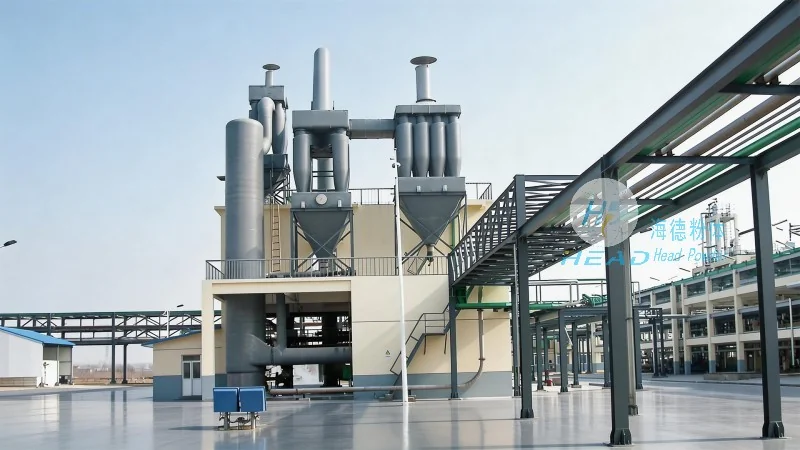
Core Principles of Continuous Material Feeding and Conveying
The fundamental principles of continuous material feeding and conveying revolve around the systematic movement of materials through a defined pathway. Key components typically include feed hoppers, conveyor belts or rollers, drive mechanisms, and control systems. The feed hopper collects and stores the material, while the conveyor transports it to the next processing station. Drive mechanisms, often powered by electric motors or hydraulic systems, provide the necessary force to move the material along the conveyor. Control systems, which may include sensors and programmable logic controllers (PLCs), regulate the speed and direction of the conveyor, ensuring precise material delivery. This integrated approach ensures that materials are moved consistently and reliably, supporting continuous production cycles.
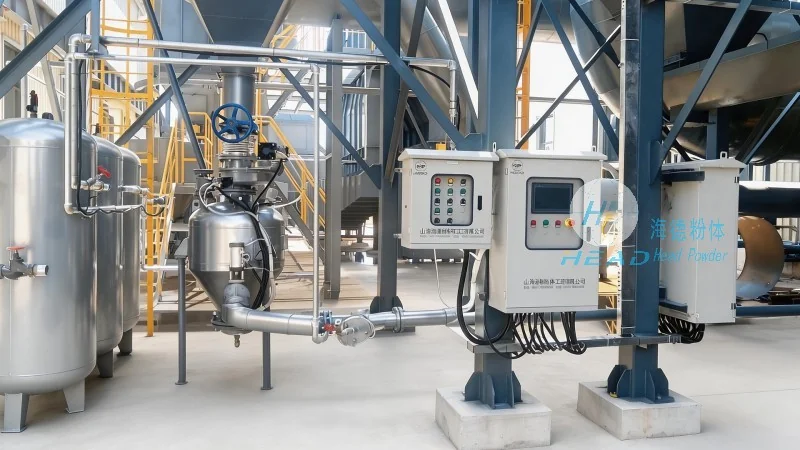
Working Scene Characteristics of Continuous Material Feeding Systems
The working scene characteristics of continuous material feeding and conveying systems vary significantly based on the industry and application. In manufacturing environments, such as automotive or electronics production, these systems are used to feed raw materials or components to assembly lines. The key characteristics in these scenarios include high precision, low noise operation, and the ability to handle small, lightweight parts. For example, in electronics manufacturing, conveyor systems may transport circuit boards or small electronic components with minimal vibration to prevent damage. In contrast, in the chemical or mining industries, systems are designed to handle larger, bulkier materials like powders, granules, or ores. These systems often feature robust construction, dust-proof enclosures, and heavy-duty components to withstand harsh operating conditions. The working scene characteristics also include adaptability to different material types, such as abrasive or corrosive substances, and the ability to integrate with existing production lines without significant modifications.
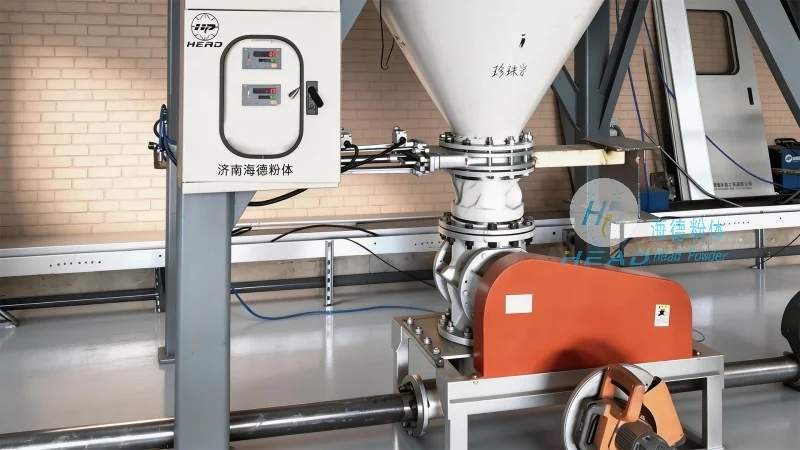
Applications and Industry-Specific Use Cases
Continuous material feeding and conveying systems find applications across a wide range of industries, each with unique requirements. In the food and beverage industry, for instance, these systems are used to transport ingredients like grains, powders, or liquids. The working scene characteristics here emphasize hygiene, food safety, and non-contamination. Systems may include stainless steel construction, easy-to-clean surfaces, and sanitary design features to meet regulatory standards. In the pharmaceutical industry, similar considerations apply, with additional focus on sterility and contamination control. The systems are often equipped with closed-loop conveying to prevent cross-contamination and maintain product integrity. In the construction materials sector, such as cement or aggregate production, systems are designed to handle large volumes of bulk materials and operate in high-temperature environments. The working scene characteristics include durability, high load capacity, and resistance to wear and tear from abrasive materials.
Advantages of Implementing Continuous Material Feeding Solutions
Adopting continuous material feeding and conveying systems offers several advantages for industrial operations. The primary benefit is increased efficiency, as these systems enable continuous production without the need for manual material handling. This reduces labor costs and minimizes human error, leading to higher overall productivity. Additionally, continuous systems improve safety by eliminating the need for workers to manually handle heavy or hazardous materials, reducing the risk of accidents and injuries. The systems also enhance consistency and quality control, as the automated feeding process ensures that materials are delivered in a uniform manner, reducing variability in the final product. Furthermore, continuous systems are often more energy-efficient compared to batch processing methods, as they operate at a constant rate and minimize energy waste. The working scene characteristics of these systems, such as low maintenance requirements and long service life, contribute to lower operational costs over time.
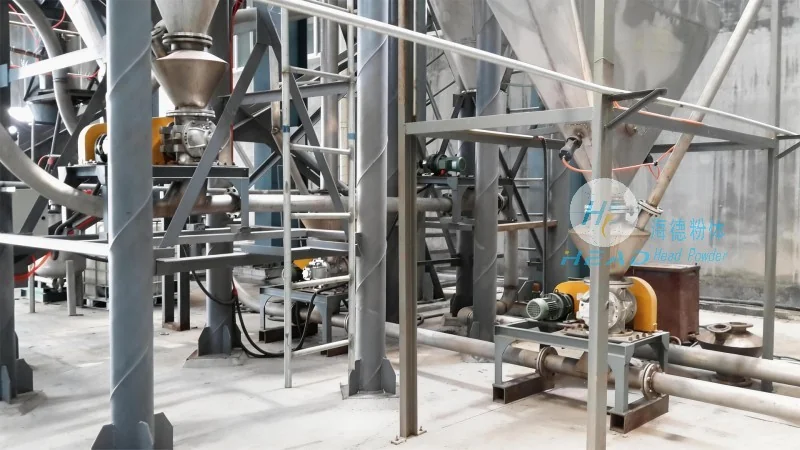
Conclusion and Company Overview
Continuous material feeding and conveying systems are essential for modern industrial operations, providing the foundation for efficient and automated material handling. The principles and working scene characteristics of these systems are tailored to meet the diverse needs of various industries, from manufacturing and food processing to chemical and construction. By leveraging advanced technology and robust design, companies like Shandong HeadPowder Engineering Co., Ltd. (headpowder) provide customized solutions that enhance productivity, safety, and operational efficiency. With a focus on quality and innovation, headpowder delivers reliable material feeding systems that adapt to the evolving demands of industrial applications, ensuring long-term success for their clients.