

Principle and Working Scene Characteristics of Phosphate Iron Powder Conveying Equipment
Phosphate iron powder is a critical material in modern industrial applications, particularly in battery manufacturing and chemical processing. The efficient and reliable transportation of this fine powder is essential for maintaining production efficiency and product quality. This article explores the principle and working scene characteristics of phosphate iron powder conveying equipment, providing insights into how these systems operate and their applications in real-world industrial settings. Developed by Shandong HeadPowder Engineering Co., Ltd., a leading manufacturer based in China, these systems are engineered to meet the stringent demands of phosphate iron powder handling.
Introduction to Phosphate Iron Powder Conveying Equipment
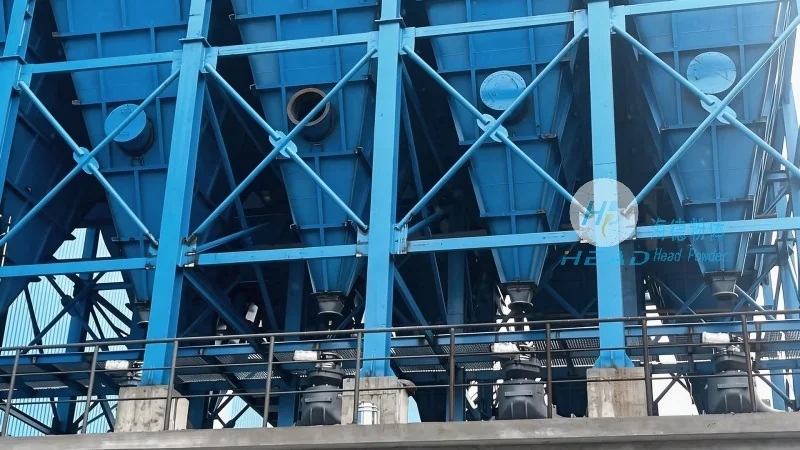
Phosphate iron powder conveying equipment is designed to handle the transport of phosphate iron powder, a fine and often abrasive material. The primary goal of such equipment is to move the powder from one location to another within a production facility with minimal loss, contamination, and energy consumption. These systems are engineered to meet the specific demands of phosphate iron powder, which can be sensitive to moisture, temperature, and mechanical stress. The equipment typically includes components like feeders, conveyors, and control systems that work in tandem to ensure smooth and consistent powder flow.
Core Principles of Phosphate Iron Powder Conveying
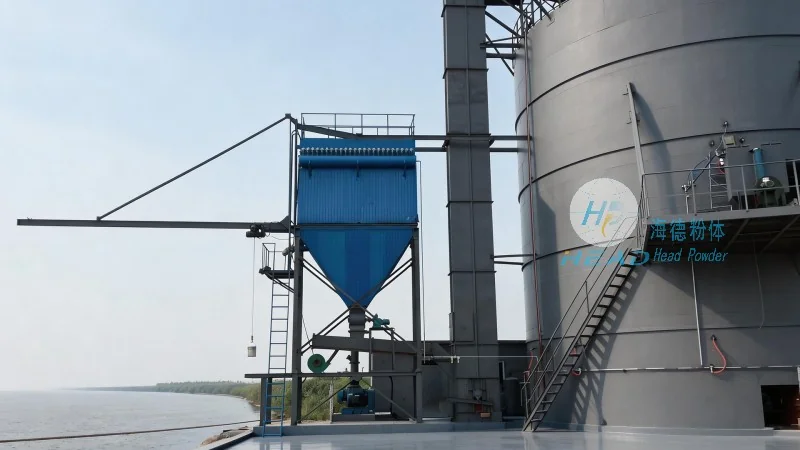
The operation of phosphate iron powder conveying equipment is based on several fundamental principles. One key principle is the use of low-shear mechanisms to prevent the agglomeration or degradation of the powder particles. This is crucial because phosphate iron powder can easily clump together, reducing its flowability and potentially causing blockages in the conveying system. The equipment often employs air-assisted or mechanical methods to move the powder, with air-assisted systems using a combination of air flow and mechanical feeders to create a gentle, consistent flow. Mechanical systems, such as screw conveyors or belt conveyors, are also used, but they require careful design to avoid excessive friction or particle damage.
Working Scene Characteristics and Applications
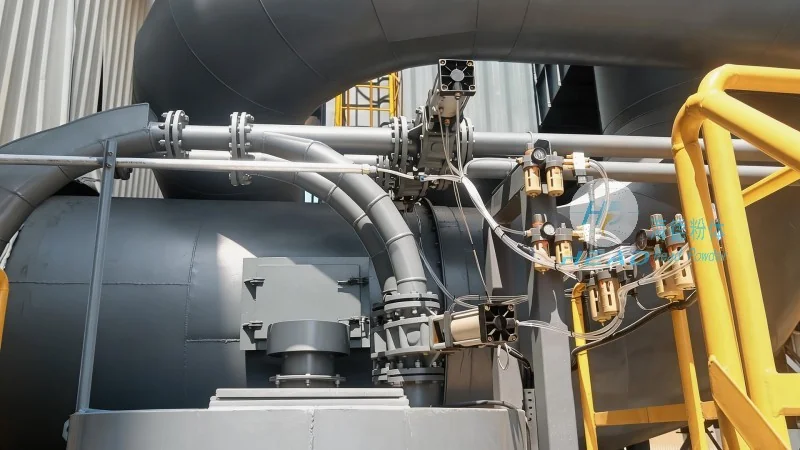
The working scene characteristics of phosphate iron powder conveying equipment vary depending on the specific industrial application. In battery manufacturing, for example, the equipment is used to transport phosphate iron powder to the mixing and coating stages of battery production. The working environment in this scenario is typically clean and controlled, with strict requirements for particle size distribution and moisture content. The conveying equipment must be able to handle high volumes of powder while maintaining the integrity of the material. Another application is in chemical processing, where phosphate iron powder is used as a raw material in the production of fertilizers or other chemical products. In this setting, the equipment may need to operate in more rugged environments, with the ability to handle larger quantities of powder and withstand the effects of temperature and chemical exposure.
Key Features and Advantages of Phosphate Iron Powder Conveying Systems
Modern phosphate iron powder conveying systems offer several key features that enhance their performance and reliability. One significant advantage is the ability to maintain a consistent flow rate, which is critical for maintaining production line efficiency. The equipment often includes sensors and control systems that monitor the powder level and adjust the conveying speed accordingly. This ensures that the powder is delivered at a steady rate, preventing bottlenecks or overloading of downstream processes. Another feature is the use of dust suppression and containment measures, which are essential for maintaining a safe and clean working environment. These systems typically include enclosures and filtration to prevent the release of fine powder particles into the air, reducing the risk of inhalation hazards and environmental contamination.
Conclusion
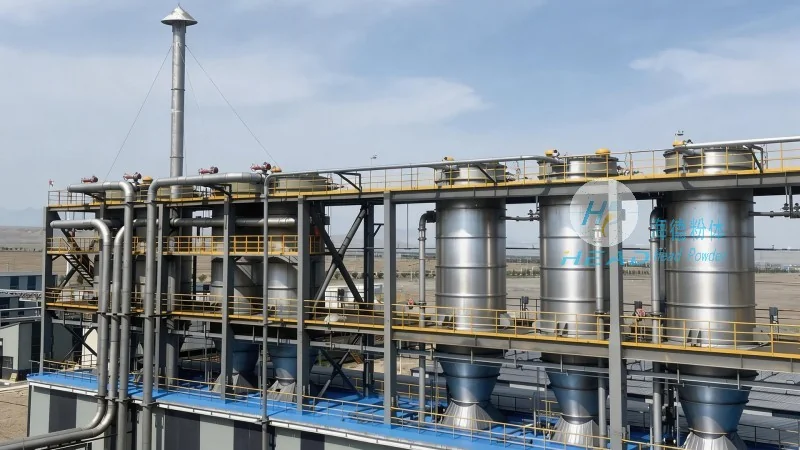
Phosphate iron powder conveying equipment plays a vital role in the efficient and safe handling of phosphate iron powder in various industrial applications. By understanding the core principles and working scene characteristics of these systems, manufacturers can select the appropriate equipment to meet their specific production needs. The advancements in conveying technology, such as low-shear mechanisms and automated control systems, have significantly improved the performance and reliability of these systems, contributing to higher productivity and product quality in the industry.