

Principle and Working Scene Characteristics of Quicklime Pneumatic Conveying Equipment
Quicklime, also known as calcium oxide, is a widely used industrial material in sectors such as cement production, chemical processing, and steel manufacturing. The efficient and safe transportation of quicklime is crucial for maintaining production efficiency and ensuring operational safety. Pneumatic conveying systems have emerged as a preferred solution for handling quicklime due to their ability to transport bulk materials over long distances without the need for mechanical components that might cause contamination or wear. This article explores the fundamental principles of quicklime pneumatic conveying equipment and highlights the key characteristics of its working scenarios.
Principle of Quicklime Pneumatic Conveying
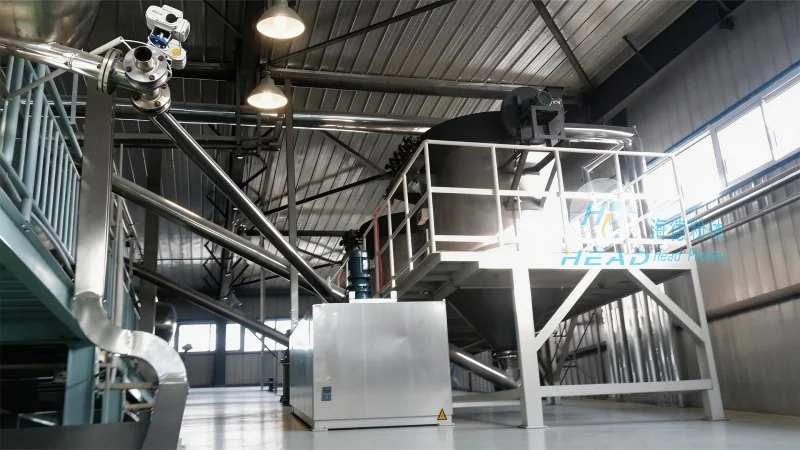
The core principle of quicklime pneumatic conveying involves the use of a pressurized air stream to transport dry bulk materials like quicklime through a pipeline system. The process typically operates under positive pressure, where air is forced through the pipeline at a velocity sufficient to suspend the quicklime particles and move them from the source to the destination. There are two main types of pneumatic conveying systems: dilute-phase and dense-phase. Dilute-phase systems use high air velocities to keep the material in suspension, suitable for short to medium distance transport. Dense-phase systems, on the other hand, operate at lower air velocities with higher material concentration, ideal for longer distances and more precise control. The selection of a system type depends on factors such as the required conveying distance, material characteristics, and operational requirements. In the case of quicklime, which is a fine, powdery material with potential reactivity, the system design must consider factors like particle size distribution, moisture content, and the risk of dust explosion. The equipment typically includes a hopper for material storage, a feeder to control the flow rate, a compressor to generate the air pressure, and a pipeline network that connects the source and destination points. The air flow is regulated to maintain a stable conveying velocity, ensuring that the quicklime particles remain suspended and are delivered without clogging or degradation. The system may also incorporate filters and dust collection units to manage the air emissions and prevent environmental contamination. Overall, the pneumatic conveying principle leverages the kinetic energy of the air stream to achieve efficient and continuous material transport, making it a reliable choice for quicklime handling in various industrial applications.
Working Scene Characteristics of Quicklime Pneumatic Conveying Equipment
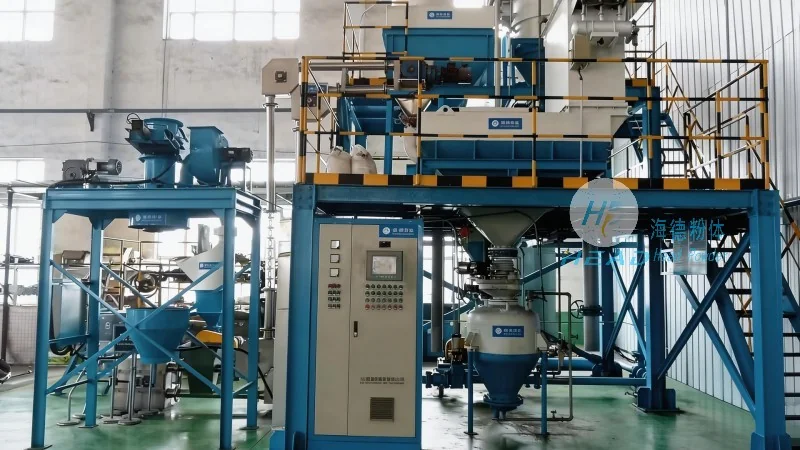
The working scene characteristics of quicklime pneumatic conveying equipment are shaped by the diverse industrial environments where quicklime is utilized. These characteristics include operational efficiency, safety features, and adaptability to different production scales. In cement plants, for example, quicklime is often used as a raw material in the clinker production process. The pneumatic conveying system is integrated into the plant's material handling infrastructure, connecting the quicklime storage silos to the kiln feed points. The system must handle large volumes of material at high speeds to meet the continuous demand of the kiln operation. This requires robust equipment capable of withstanding the abrasive nature of quicklime and maintaining consistent flow rates under varying production conditions. In chemical processing facilities, quicklime is used in processes such as flue gas desulfurization and water treatment. The pneumatic conveying system in these scenarios may need to transport quicklime to reaction tanks or storage vessels, often over longer distances and with stricter control over material quality. The system design may include additional features like temperature control or moisture adjustment to ensure the quicklime meets the specific requirements of the chemical process. In steel manufacturing, quicklime is used as a flux in the steelmaking process to remove impurities. The pneumatic conveying equipment in this sector must be capable of handling high-temperature environments and ensuring that the quicklime is delivered to the furnace at the right time and in the right quantity. The working scene also involves considerations of space constraints and integration with existing plant infrastructure, as many industrial facilities have limited room for new equipment installations. The adaptability of the pneumatic conveying system, through modular design and flexible pipeline configurations, allows it to be customized to fit the specific layout and operational needs of different plants. Furthermore, the system's ability to operate continuously without frequent maintenance or downtime is a key characteristic that enhances overall production efficiency. The safety features, such as explosion-proof designs and dust suppression systems, are also critical in working scenes where quicklime may be handled in hazardous environments. These features ensure that the equipment operates safely and complies with industrial safety regulations, reducing the risk of accidents and operational disruptions. In summary, the working scene characteristics of quicklime pneumatic conveying equipment reflect the diverse and demanding requirements of the industrial sectors that rely on quicklime, emphasizing efficiency, safety, and adaptability as key attributes.
Key Features and Advantages in Practical Applications
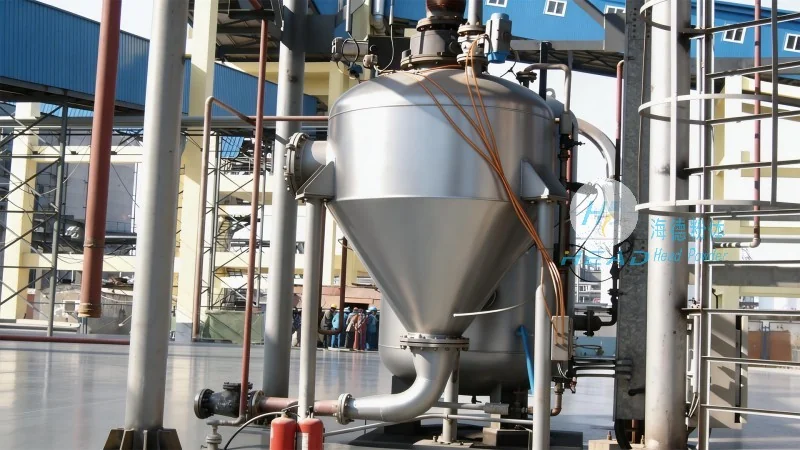
When evaluating quicklime pneumatic conveying equipment for practical applications, several key features and advantages stand out. These features are designed to address the specific challenges of handling quicklime and to enhance the overall performance of the material transport system. One of the primary advantages is the ability to transport quicklime over long distances without the need for intermediate storage or handling points. This reduces the risk of material degradation and contamination, as the material remains in a closed system from the source to the destination. The system's flexibility in terms of pipeline layout allows for easy integration into existing plant layouts, minimizing the need for major construction or modifications. This is particularly beneficial in retrofitting older plants or in new plant installations where space is limited. Another important feature is the system's ability to handle varying material flow rates and compositions. The adjustable feeder and compressor settings enable the equipment to adapt to changes in production demand, ensuring that the quicklime is conveyed at the optimal rate without overloading or underutilizing the system. The system also offers better control over material quality, as the air flow and pressure can be precisely regulated to maintain consistent particle size and moisture content. This is crucial for processes that require specific material characteristics, such as in cement production where the quality of quicklime directly impacts the final product quality. Additionally, the pneumatic conveying system provides a safer working environment compared to traditional methods like bucket elevators or belt conveyors. The enclosed pipeline system reduces the risk of dust exposure and eliminates the need for manual handling of bulk materials, which can be hazardous due to the fine particle size and potential reactivity of quicklime. The system's low maintenance requirements are also a significant advantage, as the absence of moving parts reduces the likelihood of mechanical failures and the need for frequent repairs. Overall, these features make quicklime pneumatic conveying equipment a reliable and efficient solution for industrial applications, offering a balance of performance, safety, and cost-effectiveness.