

Principle and Working Scene Characteristics of Coal Gangue Pneumatic Conveying Lines
HeadPowder, or Shandong HeadPowder Engineering Co., Ltd., is a professional manufacturer and supplier of coal gangue pneumatic conveying lines. The company is located in Shandong, China. This article will introduce the principle and working scene characteristics of coal gangue pneumatic conveying lines, providing a comprehensive overview of the technology and its practical applications.
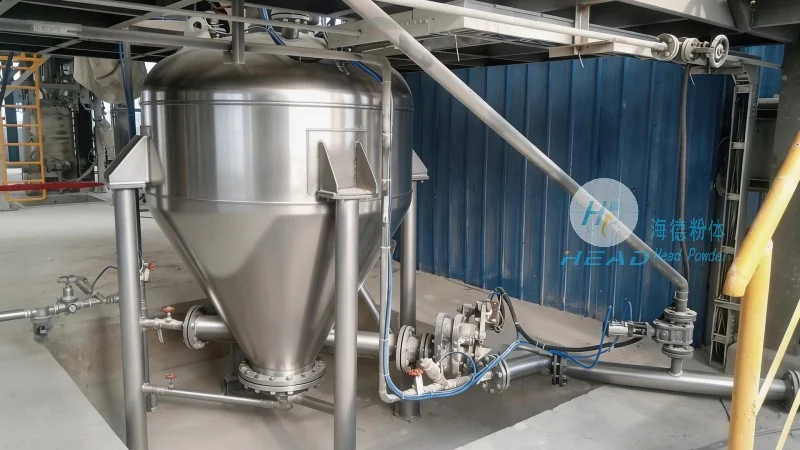
Introduction to Coal Gangue Pneumatic Conveying Lines
Coal gangue, also known as coal waste, is a byproduct of coal mining and processing. It is typically transported from the mining site to processing facilities or disposal sites. Traditional methods for transporting coal gangue include belt conveyors, trucks, and railcars, which may face challenges such as high costs, environmental pollution, and limited flexibility in complex terrain. Pneumatic conveying technology offers an efficient and reliable alternative for handling coal gangue, especially in scenarios where long-distance or complex route transportation is required.
The Principle of Pneumatic Conveying
Pneumatic conveying works by using air as the medium to transport bulk materials. The system typically consists of a hopper, a conveyor pipe, a blower or air compressor, and a receiver. The process begins with the material being fed into the hopper. The blower then generates a high-pressure air flow, which draws the material into the conveyor pipe. The air and material mixture travels through the pipe to the receiver, where the material is separated from the air and collected. The air is then discharged back into the system or to the atmosphere, depending on the design. This principle allows for the continuous and automated transport of coal gangue without the need for mechanical components like belts or chains, reducing maintenance and operational costs.
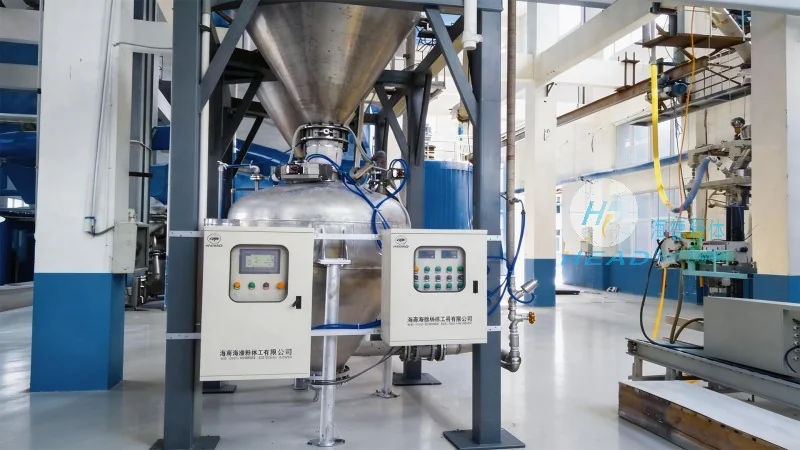
Working Scene Characteristics
The application of coal gangue pneumatic conveying lines varies based on the specific working environment and operational requirements. Several key characteristics define their performance and suitability in different scenarios:
1. Long-Distance Transportation: Pneumatic conveying systems can effectively transport coal gangue over long distances, often exceeding several kilometers. This is particularly advantageous in mining operations where the gangue needs to be moved from the mine to a processing plant or a disposal site located far from the source. The system's ability to maintain consistent material flow over extended distances makes it ideal for large-scale operations.
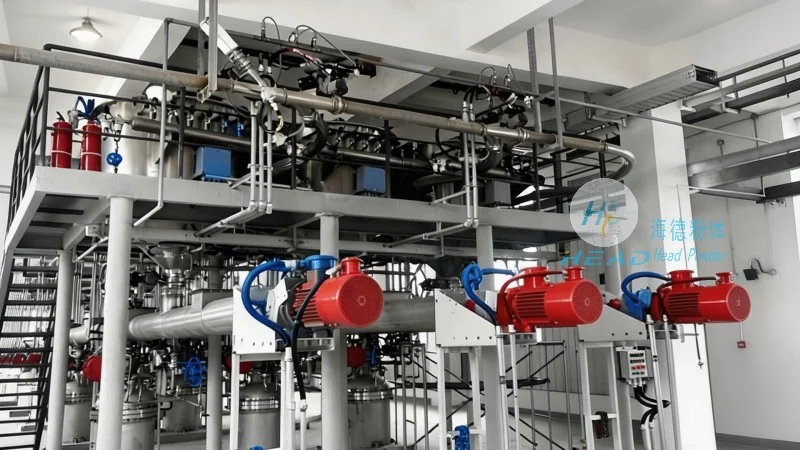
2. Complex Route Handling: Unlike traditional conveyors that require straight or gently sloping paths, pneumatic conveying lines can navigate complex routes, including vertical lifts, horizontal turns, and even underground passages. This flexibility is crucial in mining and construction sites where the terrain is uneven or the layout of the facility is intricate. The system can be designed with multiple branches and bends to adapt to the site's topography.
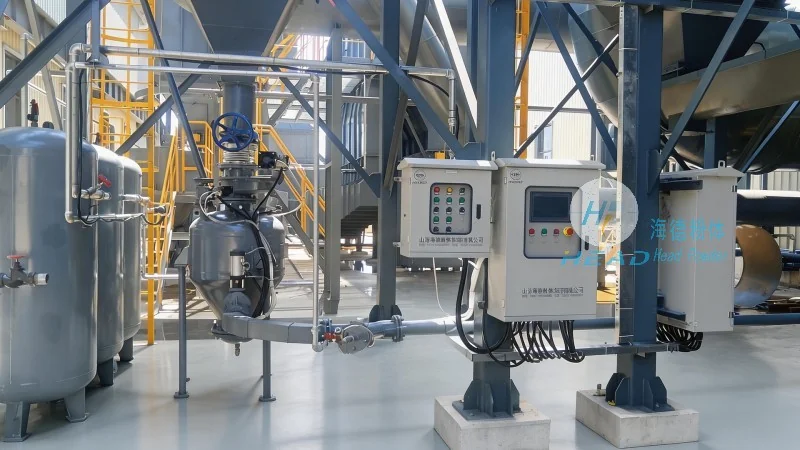
3. Environmental Protection: Pneumatic conveying reduces the environmental impact associated with coal gangue transportation. By enclosing the material in a sealed pipe, the system minimizes dust emissions and prevents the spread of pollutants. This is especially important in urban or residential areas where air quality is a concern. The sealed system also helps in controlling odors and preventing the contamination of soil or water sources.
4. Operational Efficiency: The automated nature of pneumatic conveying lines enhances operational efficiency. Once set up, the system can operate continuously with minimal human intervention. The use of air as the conveying medium eliminates the need for moving parts that are prone to wear and tear, reducing maintenance frequency and downtime. Additionally, the system can be integrated with other processing equipment, such as crushers or screens, to form a complete production line, streamlining the overall workflow.