

Principle and Working Scene Characteristics of Lithium Cobalt Oxide Pneumatic Conveying Lines
Understanding the fundamental principles and operational characteristics of lithium cobalt oxide (LiCoO₂) pneumatic conveying lines is crucial for industries dealing with this critical battery material. This article explores the technical aspects and practical applications of such systems, providing insights into their design, functionality, and real-world implementation.
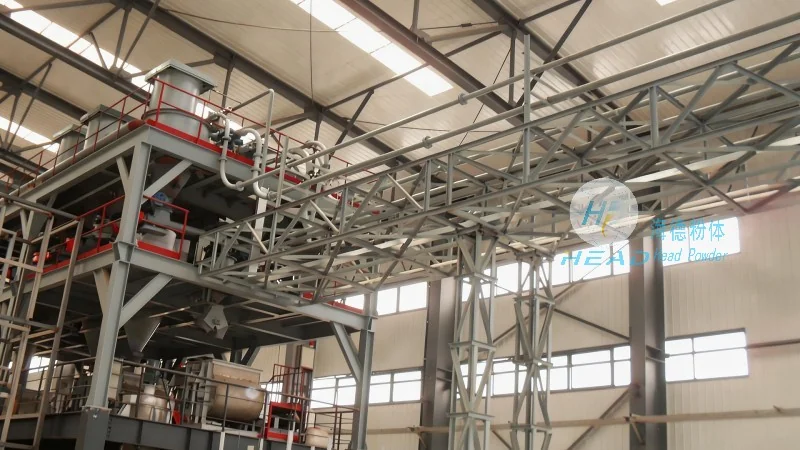
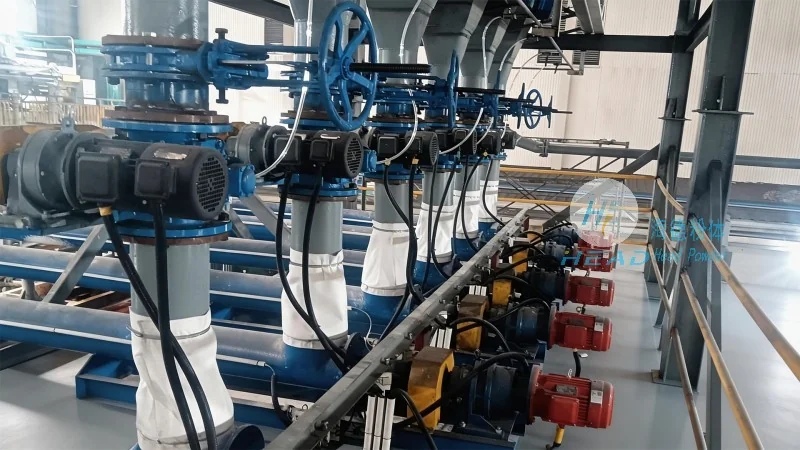
Principle of Pneumatic Conveying for Lithium Cobalt Oxide
Lithium cobalt oxide is a key component in lithium-ion batteries, and efficient handling of this material is essential for battery manufacturing processes. Pneumatic conveying systems utilize air or other gases to transport bulk materials like LiCoO₂ through a pipeline network. The core principle involves creating a pressure differential that propels the material along the conveying line. In a typical setup, a material feed hopper is connected to a conveying line, where air is introduced under pressure to move the powder. This method offers advantages such as reduced contamination, minimal product degradation, and the ability to transport materials over long distances without mechanical contact. The system often includes components like a rotary valve, a filter, and a pressure regulator to ensure smooth and controlled operation. The design of the conveying line, including the pipe diameter, air velocity, and material flow rate, is critical to maintaining efficiency and preventing blockages or material degradation.

Working Scene Characteristics of Lithium Cobalt Oxide Pneumatic Conveying Lines
The operational environment and specific characteristics of lithium cobalt oxide pneumatic conveying lines vary based on the application and industry. For instance, in battery manufacturing facilities, these systems are often integrated into automated production lines, requiring high precision and reliability. The working scene may involve handling large volumes of LiCoO₂ powder, with the conveying line connecting different stages of the battery production process, such as mixing, coating, and cell assembly. The characteristics of the working scene include high throughput requirements, strict quality control measures, and adherence to safety regulations due to the flammability and reactivity of lithium cobalt oxide. Additionally, the system must be designed to minimize dust emissions and ensure environmental compliance, which is a critical aspect in modern industrial operations. The working scene may also involve the use of specialized equipment like dust collectors and explosion-proof components to address safety concerns associated with handling powders. The flexibility of the pneumatic conveying system allows it to adapt to different production scales, from small-scale laboratory testing to large-scale industrial manufacturing, making it a versatile solution for various applications.
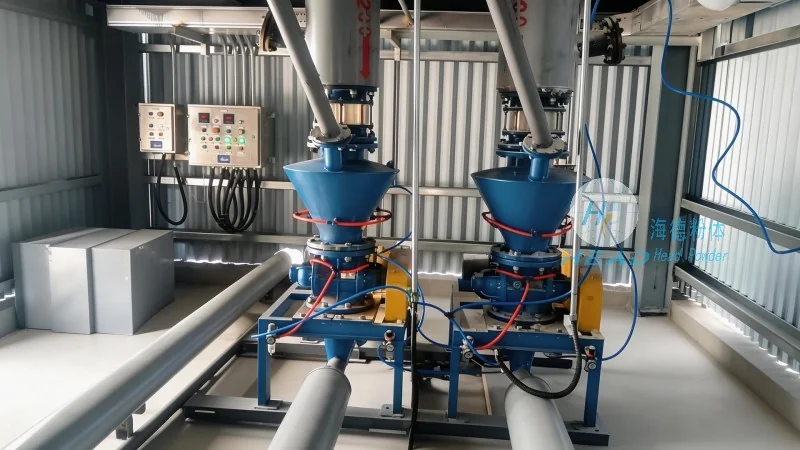
Company Profile: Shandong HeadPowder Engineering Co., Ltd.
HeadPowder, a leading provider of engineering solutions for material handling and processing, specializes in designing and manufacturing advanced pneumatic conveying systems for lithium cobalt oxide and other bulk materials. With a strong presence in the industry, HeadPowder has established itself as a trusted partner for companies in the battery and chemical sectors. The company's headquarters is located in Shandong, China, where it leverages its expertise and state-of-the-art facilities to develop innovative solutions tailored to the unique needs of its clients. HeadPowder's commitment to quality, reliability, and customer satisfaction is reflected in its comprehensive product range and technical support services. By combining advanced engineering with practical application knowledge, HeadPowder ensures that its pneumatic conveying systems meet the highest standards of performance and safety, supporting the efficient and sustainable production of lithium cobalt oxide and other critical materials.