

Principle and Working Scene Characteristics of Limestone and Gypsum Powder Pneumatic Conveying Lines
HeadPowder, a leading engineering company based in Shandong, China, specializes in the design, manufacturing, and installation of advanced pneumatic conveying systems for various industrial applications. This article focuses on the principle and working scene characteristics of limestone and gypsum powder pneumatic conveying lines, which are widely used in the construction, cement, and chemical industries.
Introduction to Pneumatic Conveying Systems
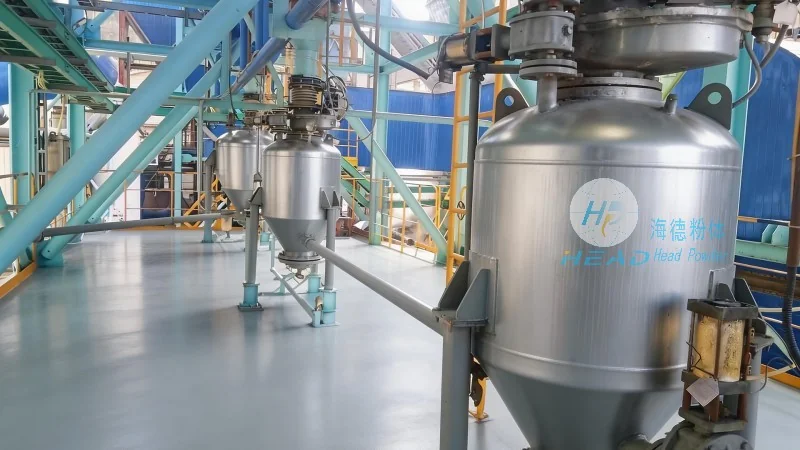
Pneumatic conveying is a method of transporting bulk materials, such as powders and granules, through a pipeline using air or other gases. Unlike traditional mechanical conveying methods, pneumatic systems offer advantages like flexibility, low maintenance, and the ability to handle materials with high moisture content or abrasive properties. The limestone and gypsum powder pneumatic conveying line is a specialized system designed to efficiently transport these materials from storage silos or production areas to processing units or end-use locations.
Core Principle of Limestone and Gypsum Powder Pneumatic Conveying
The fundamental principle of this system is the use of air pressure to move the powder particles through a pipeline. The process typically involves a series of components, including a feeder, a compressor, a pipeline network, and a receiver. The feeder, often a rotary valve or a screw feeder, introduces the limestone or gypsum powder into the pipeline at a controlled rate. The compressor then generates the necessary air pressure, which propels the powder particles forward. The pipeline design, including the use of bends, elbows, and expansion joints, is critical to maintain the flow and prevent material degradation or blockages.
Working Scene Characteristics and Application Scenarios
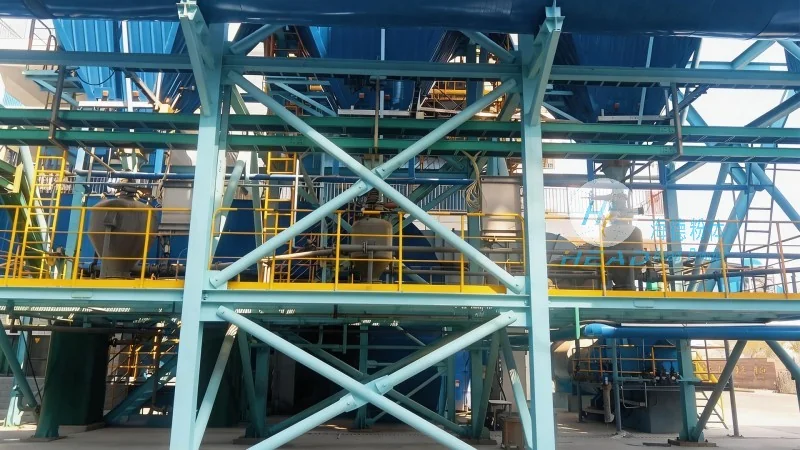
The working scene characteristics of limestone and gypsum powder pneumatic conveying lines are tailored to meet the specific demands of industrial environments. These systems are commonly employed in cement production facilities, where limestone is a primary raw material, and in gypsum processing plants, where the material is used for wallboard and other building products. The key characteristics include high conveying efficiency, which minimizes material loss and ensures consistent feed rates to downstream processes. Additionally, the systems are designed for durability and reliability, with components made from corrosion-resistant materials to withstand the chemical properties of limestone and gypsum.
Advantages and Operational Benefits
Implementing a limestone and gypsum powder pneumatic conveying line offers several operational benefits. First, it enhances process efficiency by reducing downtime associated with material handling. The automated nature of the system allows for continuous operation, improving overall productivity. Second, it improves safety by eliminating the need for manual handling of bulk powders, which can be hazardous due to dust exposure or material weight. Third, the system provides better material control, ensuring that the powder is conveyed at the correct temperature and moisture level, which is crucial for maintaining product quality in downstream applications.
Technical Considerations and System Design
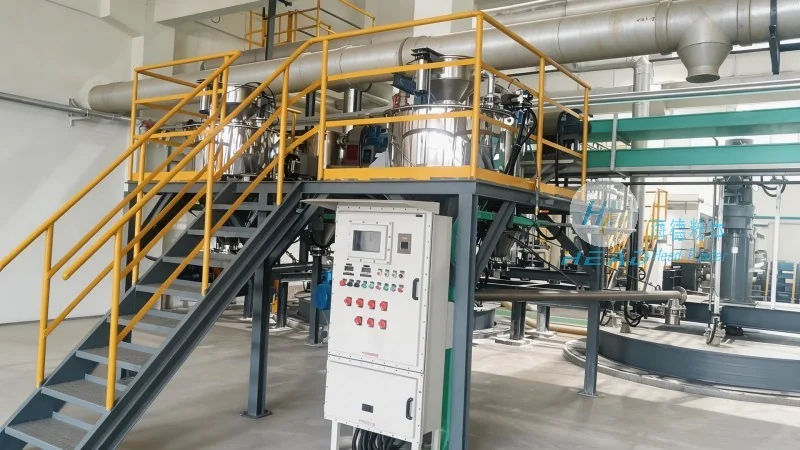
When designing a limestone and gypsum powder pneumatic conveying system, several technical factors must be considered. The choice of conveying method, whether it is positive or negative pressure, depends on the distance, height, and material characteristics. For longer distances or higher elevations, positive pressure systems are often preferred, as they provide more consistent flow and pressure. The pipeline diameter and material are also critical, as they affect the system's capacity and resistance to wear. Additionally, the system must be equipped with proper filtration and dust collection to comply with environmental regulations and maintain air quality in the workplace.
Conclusion
HeadPowder's expertise in engineering and manufacturing ensures that limestone and gypsum powder pneumatic conveying lines are designed to meet the highest standards of performance and reliability. By understanding the core principles and working scene characteristics of these systems, industrial facilities can optimize their material handling processes, improve operational efficiency, and enhance overall productivity. The company's commitment to quality and innovation continues to drive advancements in pneumatic conveying technology, providing solutions that meet the evolving needs of the construction and chemical industries.