

Principle and Working Scene Characteristics of Sodium Hydroxide Pneumatic Conveying Equipment
HeadPowder, a leading manufacturer based in Shandong, China, specializes in the design and production of advanced pneumatic conveying systems tailored for the handling of sodium hydroxide. This article delves into the fundamental principles of these systems and highlights the key characteristics of their operational environments.
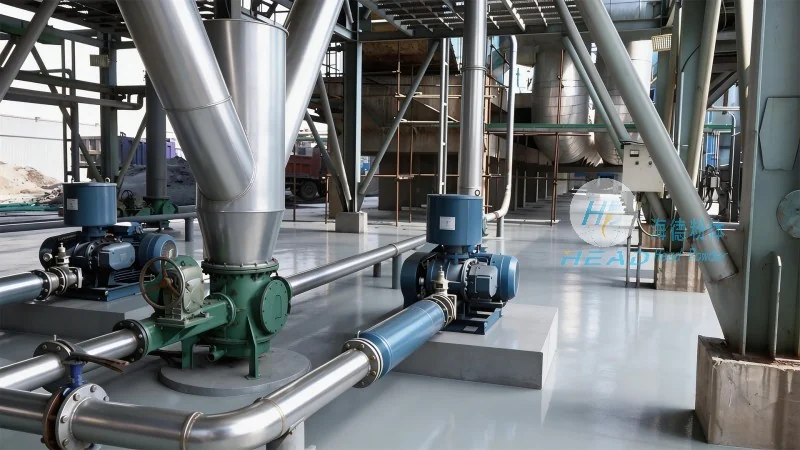
Principle of Pneumatic Conveying for Sodium Hydroxide
The core mechanism of sodium hydroxide pneumatic conveying equipment revolves around the use of air or gas as the conveying medium to transport solid materials. In this process, the sodium hydroxide powder is suspended in a stream of air, which then propels the material through pipelines to the destination. The system typically operates under pressure, with the air flow generated by a blower or compressor. The design of the conveying line, including the selection of appropriate pipe diameters, bends, and valves, is critical to ensure efficient and reliable transport. The principle also involves controlling the air velocity to maintain the material in a suspended state, preventing blockages and ensuring consistent flow rates.
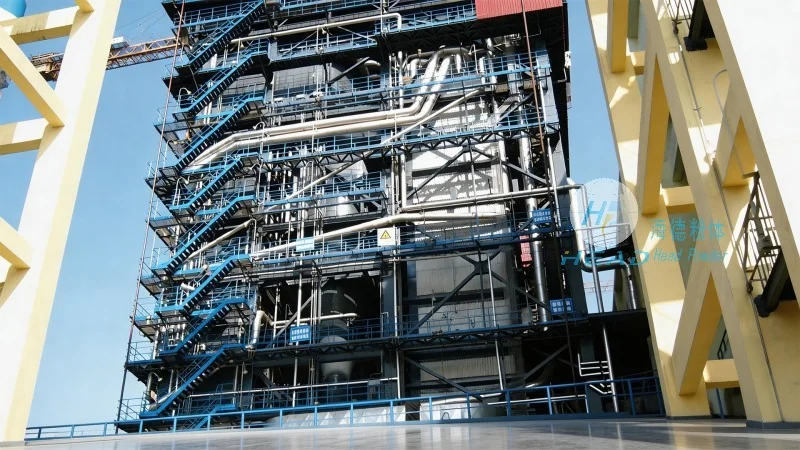
Key Working Scene Characteristics
The operational environments for sodium hydroxide pneumatic conveying systems exhibit distinct characteristics that influence system design and performance. Firstly, the material's physical properties, such as its particle size, density, and moisture content, play a crucial role. Sodium hydroxide is often handled as a fine powder, which requires careful consideration of air velocity and pipeline design to avoid segregation or caking. Secondly, the system's integration with other industrial processes is vital. In many applications, the conveying equipment is part of a larger production line, requiring seamless coordination with storage, mixing, and packaging units. This integration demands precise control over flow rates and pressure to maintain process efficiency. Thirdly, safety considerations are paramount due to the caustic nature of sodium hydroxide. The equipment must be designed with robust materials that can withstand chemical corrosion and thermal stress, and safety features like pressure relief valves and emergency shut-off systems are standard. Additionally, the working environment may involve high ambient temperatures or exposure to moisture, necessitating appropriate sealing and insulation to prevent material degradation and equipment damage.
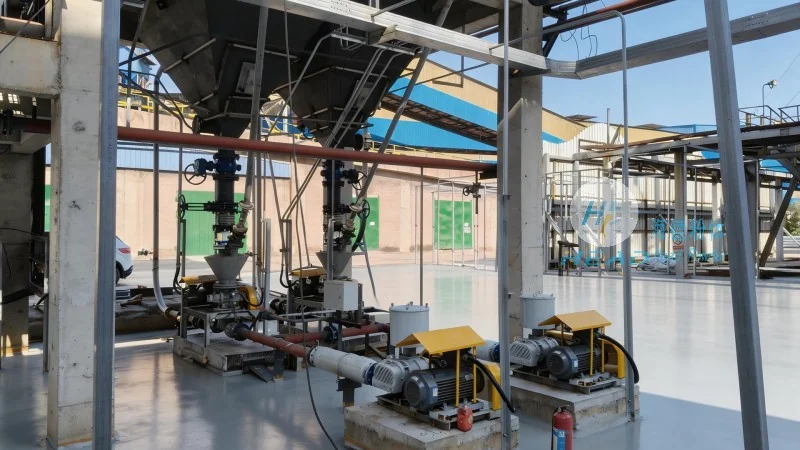
Application Scenarios and System Adaptability
Sodium hydroxide pneumatic conveying systems are widely employed across various industrial sectors, including chemical manufacturing, food processing, and pharmaceuticals. In chemical plants, these systems are used to transport sodium hydroxide from storage silos to reactors or processing units, ensuring a continuous and controlled supply. The adaptability of the system allows for customization based on the specific requirements of each application, such as varying material flow rates or pipeline lengths. For instance, in food processing facilities, the equipment must meet stringent hygiene standards, with components constructed from food-grade materials and easy-to-clean surfaces. Similarly, in pharmaceutical applications, the system is designed to maintain a sterile environment, with sealed pipelines and filtration systems to prevent contamination. The versatility of pneumatic conveying also enables the integration of multiple material handling tasks within a single system, reducing operational complexity and costs. Overall, the working scene characteristics and application scenarios highlight the importance of a well-designed pneumatic conveying system in optimizing sodium hydroxide handling processes while ensuring safety and efficiency.