

Working Principle and Characteristics of Air-Driven Transport for Monosodium Glutamate Materials
Monosodium glutamate (MSG), a widely used food additive, often requires efficient and reliable transport solutions for industrial applications. Air-driven transport, or pneumatic conveying, offers a robust method for handling MSG materials, ensuring safety, efficiency, and minimal product degradation. This article explores the working principle and key characteristics of air-driven transport systems designed for monosodium glutamate materials, highlighting the technology's benefits and operational aspects.
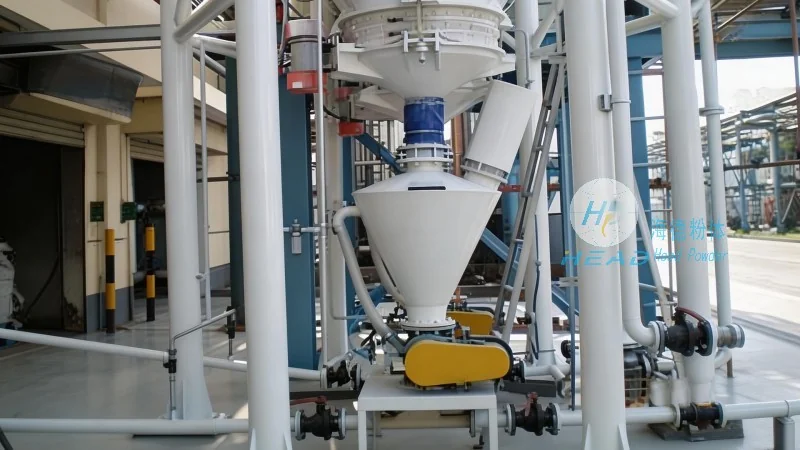
Understanding the Working Principle of Air-Driven Transport for MSG Materials
The core of air-driven transport systems lies in the use of air pressure to move solid materials through a pipeline. For monosodium glutamate, which is typically in a granular or powdered form, the process involves several key components and steps. The system generally includes a hopper, a conveyor line, a venturi or airlock, and a receiver. The working principle can be broken down into the following stages:
- Material Loading: The monosodium glutamate is loaded into the hopper, where it is stored and prepared for transport. The hopper is designed to maintain a consistent material level, ensuring a steady flow.
- Air Intake and Compression: Compressed air is introduced into the system, either through a blower or a positive displacement pump. The air pressure is carefully controlled to match the material's properties and the desired conveying velocity.
- Conveying Process: As air flows through the pipeline, it creates a low-pressure zone that draws the monosodium glutamate particles into the air stream. The combination of air velocity and particle size allows for efficient transport, with the material being carried along the pipeline by the air flow.
- Material Discharge: At the receiving end, the air and material are separated. The monosodium glutamate is collected in the receiver, while the air is either filtered and recirculated or vented to the atmosphere. This separation is crucial for maintaining product purity and system efficiency.
Key to the efficiency of this process is the balance between air pressure and material flow. Overly high air pressure can lead to excessive energy consumption and potential product degradation, while insufficient pressure may result in incomplete transport or blockages. Proper system design, including the selection of pipeline diameter, air velocity, and material feed rate, is essential to optimize performance.
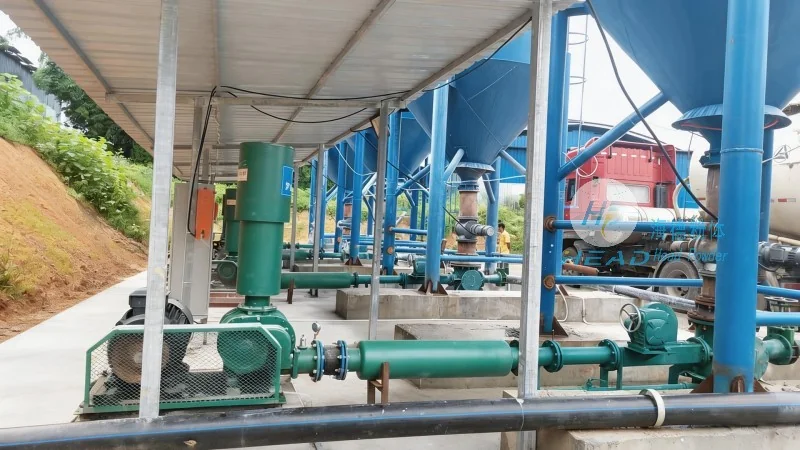
Key Characteristics of Air-Driven Transport for Monosodium Glutamate
When evaluating air-driven transport systems for monosodium glutamate, several characteristics stand out as critical for industrial applications. These features not only enhance operational efficiency but also ensure product quality and safety:
- Low Product Contamination: Air-driven systems minimize direct contact between the material and mechanical parts, reducing the risk of contamination from metal or other components. This is particularly important for food-grade materials like monosodium glutamate, where purity is paramount.
- Reduced Dust and Spillage: The enclosed pipeline design prevents dust emissions and reduces the likelihood of product spillage during transport. This not only improves workplace safety but also maintains a clean and controlled environment.
- Energy Efficiency: Compared to traditional mechanical conveyors, air-driven systems can be more energy-efficient, especially for long-distance or high-volume transport. The use of compressed air allows for flexible and scalable solutions that adapt to varying production needs.
- Flexibility and Scalability: Air-driven transport systems can be easily modified or expanded to accommodate changes in production volume or material types. The modular design enables integration with existing processing lines, making it a versatile choice for industrial settings.
- Minimal Product Degradation: The gentle handling of monosodium glutamate particles through the air stream minimizes physical damage or degradation, preserving the material's quality and performance. This is vital for maintaining the product's efficacy in food applications.
Additionally, the system's ability to handle a wide range of particle sizes and moisture content makes it suitable for various forms of monosodium glutamate, including granules, powders, and even wet or sticky materials when equipped with appropriate modifications. The adaptability of air-driven transport ensures it remains a reliable solution for diverse industrial requirements.
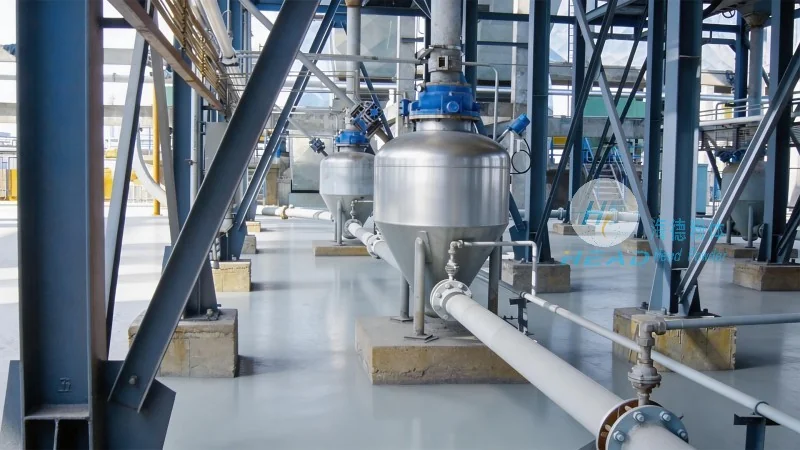
Applications and Benefits for Monosodium Glutamate Handling
Industrial facilities processing monosodium glutamate benefit significantly from air-driven transport systems. These systems are commonly used in manufacturing plants, where MSG is produced, packaged, and distributed. The technology supports seamless integration between production, packaging, and storage processes, enhancing overall operational flow.
For example, in a monosodium glutamate production facility, the system can efficiently transport raw materials from storage to processing equipment, then move finished products to packaging lines. This continuous flow reduces downtime and improves productivity. The enclosed nature of the system also helps maintain a controlled environment, which is essential for maintaining product quality and adhering to regulatory standards.
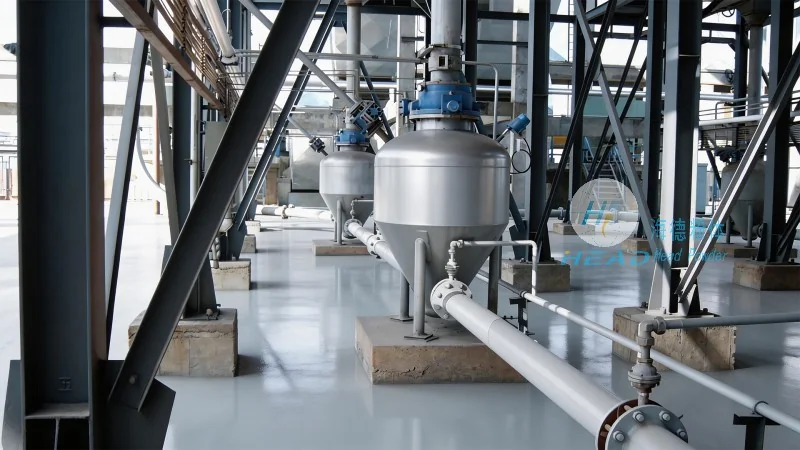
Furthermore, the energy efficiency and low maintenance requirements of air-driven transport contribute to long-term cost savings. The reduced need for mechanical parts and the ability to use existing compressed air infrastructure further enhance the economic viability of this technology.
Conclusion
Air-driven transport for monosodium glutamate materials is a proven and effective solution that combines efficiency, safety, and product quality. By understanding the working principle and leveraging the key characteristics of these systems, industrial operators can optimize their material handling processes. As a leading provider in this field, Shandong HeadPowder Engineering Co., Ltd. specializes in designing and implementing customized air-driven transport solutions tailored to the specific needs of monosodium glutamate manufacturers, ensuring reliable and efficient material transport in compliance with industry standards.