

The Working Principle and Features of Phosphate Iron Powder Pneumatic Conveying Systems
Phosphate iron powder, as a critical material in modern industrial applications, requires efficient and reliable transportation methods to ensure smooth production processes. The pneumatic conveying line for phosphate iron powder is a specialized system designed to handle this material with precision and safety. This article will explore the working principle and key features of such a system, highlighting its importance in industrial operations.
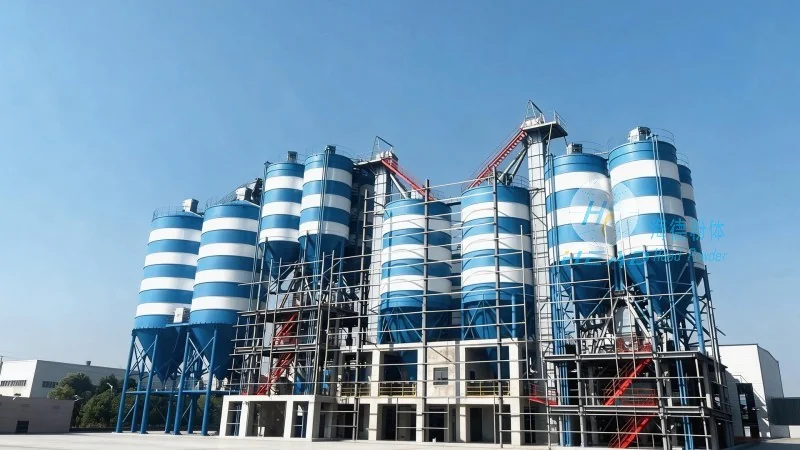
Introduction to Phosphate Iron Powder Pneumatic Conveying Systems
Phosphate iron powder is widely used in battery manufacturing, chemical processing, and other sectors due to its unique properties. However, handling this fine powder requires specialized equipment to prevent dust accumulation, material loss, and operational inefficiencies. The pneumatic conveying line, developed by Shandong HeadPowder Engineering Co., Ltd., addresses these challenges by providing a closed-loop system that ensures safe and efficient material transport. The company, known as HeadPowder, specializes in engineering solutions for powder handling, with a focus on innovation and customer-centric design.
The Working Principle of Phosphate Iron Powder Pneumatic Conveying Lines
The core of the phosphate iron powder pneumatic conveying system lies in its ability to transport fine powders through a pressurized or vacuum environment. The system typically consists of several key components, including a material feeder, a conveying pipeline, a separator, and a dust collector. The working principle involves the following steps:
First, the phosphate iron powder is fed into the system through a controlled feeder. This feeder ensures a consistent flow rate, preventing overloading or underloading of the material. Next, the material is introduced into the conveying pipeline, where it is mixed with air or a carrier gas. The pressure differential between the inlet and outlet of the pipeline creates the force needed to move the powder through the system. The conveying method can be either positive pressure (where air is blown into the pipeline) or negative pressure (where air is sucked out), depending on the specific application and material characteristics.
As the powder travels through the pipeline, it may encounter various components such as bends, expansions, or filters. These components are designed to maintain the flow of the powder while preventing blockages or material degradation. The separator, often a cyclone or a bag filter, is used to separate the powder from the air carrier. The separated powder is then collected in a hopper or storage tank, while the air is either recirculated or discharged through a dust collector to ensure environmental compliance.
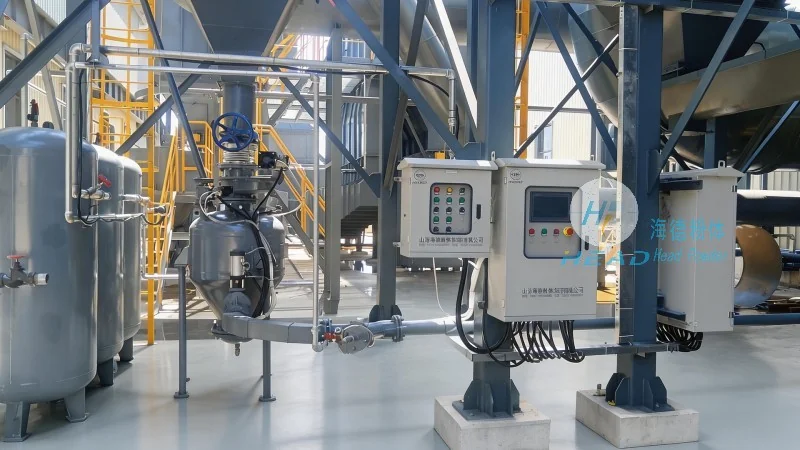
Key Features of Phosphate Iron Powder Pneumatic Conveying Systems
The pneumatic conveying line for phosphate iron powder offers several advantages that make it an ideal choice for industrial applications. These features are designed to enhance efficiency, safety, and operational reliability:
1. Closed-Loop Operation: The system operates in a closed environment, minimizing dust emissions and preventing material loss. This not only improves workplace safety but also reduces the need for additional cleaning and maintenance.
2. High Efficiency and Low Maintenance: The design of the conveying line, including the use of high-quality materials and optimized components, ensures high efficiency in material transport. The system is also engineered for low maintenance, with components that are easy to access and replace, reducing downtime and operational costs.
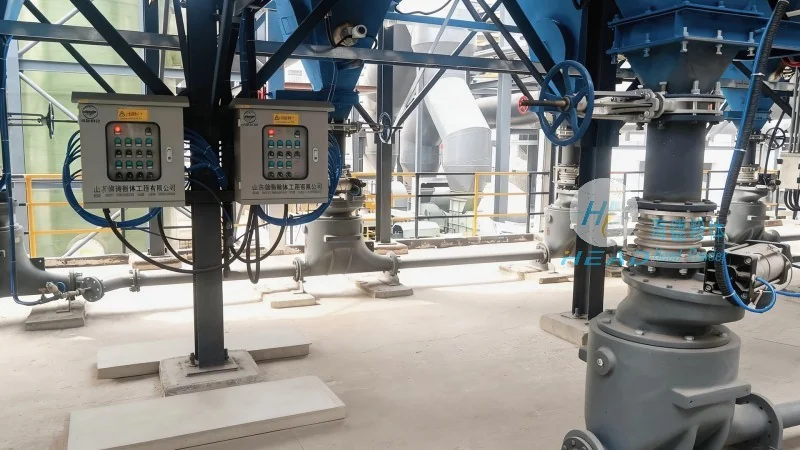
3. Customization and Scalability: HeadPowder Engineering Co., Ltd. offers customized solutions tailored to the specific needs of each client. The systems can be scaled to handle varying volumes of phosphate iron powder, from small-scale laboratory applications to large industrial production lines. This flexibility allows businesses to adapt the system as their production needs evolve.
4. Environmental Compliance: The inclusion of dust collectors and air filtration systems ensures that the operation complies with environmental regulations. The system minimizes the release of fine particles into the atmosphere, contributing to a cleaner and safer working environment.
5. Enhanced Safety Measures: The pneumatic conveying line is equipped with safety features such as pressure relief valves, overfill protection, and emergency shut-off systems. These features protect both the equipment and the personnel operating the system from potential hazards, ensuring a safe working environment.
Conclusion and Application Scope
The phosphate iron powder pneumatic conveying line, developed by Shandong HeadPowder Engineering Co., Ltd., represents a sophisticated solution for the efficient and safe handling of phosphate iron powder. By understanding the working principle and leveraging the key features of this system, industries can improve their production processes, reduce operational costs, and enhance workplace safety. The system's adaptability and reliability make it a valuable asset for businesses involved in battery manufacturing, chemical processing, and other sectors that rely on phosphate iron powder. As a leading provider in the field, HeadPowder continues to innovate and provide tailored solutions to meet the evolving needs of its clients.