

Working Principle and Features of Low-Pressure Powder Pneumatic Conveying Systems
Low-pressure powder pneumatic conveying systems are essential in various industrial applications for transporting bulk powder materials efficiently and safely. These systems utilize air as the conveying medium to move powders from one location to another, offering advantages over traditional mechanical conveying methods. The technology is widely adopted in sectors such as pharmaceuticals, food processing, chemicals, and minerals, where maintaining product integrity and controlling dust are critical. This article explores the working principle and key features of low-pressure powder pneumatic conveying lines, providing insights into their operational mechanics and practical benefits.
Working Principle of Low-Pressure Powder Pneumatic Conveying Systems
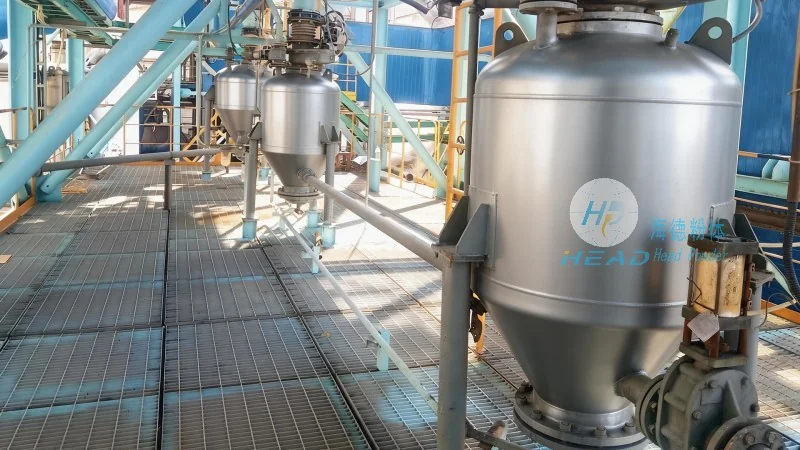
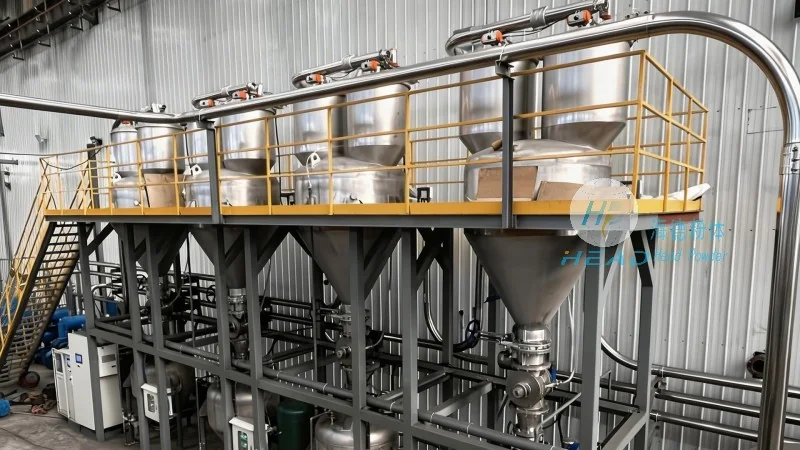
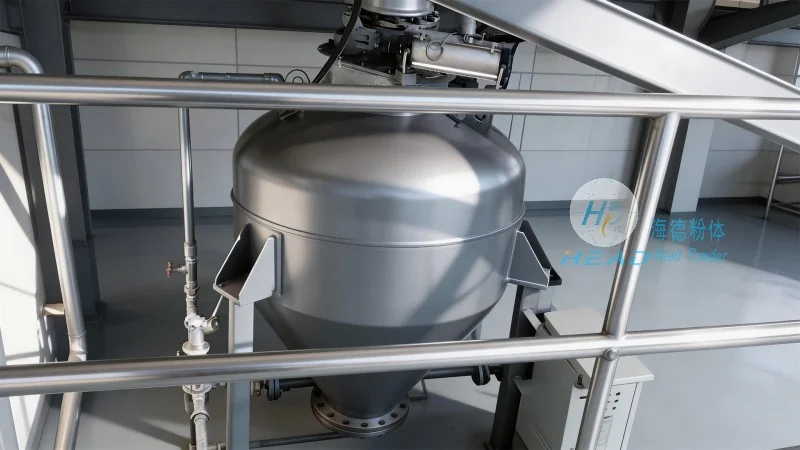
The core mechanism of low-pressure powder pneumatic conveying involves creating a pressure differential between the conveying line and the ambient environment. Typically, a blower or fan generates a low-pressure air stream, which draws the powder from the source hopper into the pipeline. The powder is then suspended in the air stream and transported to the destination point. The system operates under negative pressure (suction mode) or positive pressure (blow mode), depending on the application requirements. In suction mode, the air flow pulls the powder from the source, while in blow mode, the air pushes the powder forward. The low-pressure design minimizes energy consumption and reduces the risk of product degradation compared to high-pressure systems. The process involves several key components, including a hopper for material storage, a rotary valve or feeder to control powder discharge, a filter to capture fine particles and prevent dust emission, and a receiver or discharge hopper at the end of the line. The air flow rate and pressure are carefully regulated to ensure optimal powder suspension and prevent blockages or clogging in the pipeline.
Key Features of Low-Pressure Powder Pneumatic Conveying Systems
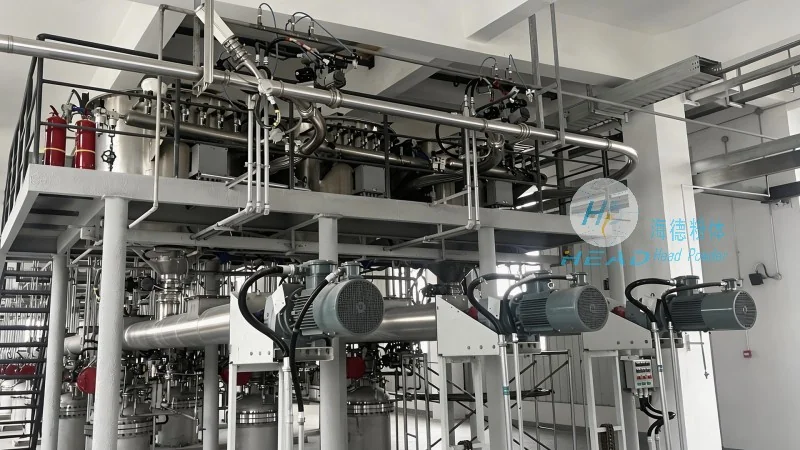
Low-pressure powder pneumatic conveying systems offer several distinct advantages that make them suitable for diverse industrial needs. One of the primary features is their ability to handle a wide range of powder types, from fine powders like pharmaceuticals to bulk materials like cement. The low-pressure operation reduces the risk of product attrition and maintains the physical properties of the powder, which is crucial in applications where particle size and shape are critical. Another notable feature is the system's flexibility in terms of layout and installation. Unlike high-pressure systems that require rigid pipelines, low-pressure lines can be configured with flexible hoses or bends, allowing for easier integration into existing facilities or complex layouts. This flexibility also enables the system to adapt to changes in production processes or facility expansions without significant modifications. Additionally, low-pressure systems are generally more energy-efficient compared to high-pressure counterparts, as they operate at lower air velocities and pressures, resulting in reduced energy consumption and operational costs. The systems also provide better control over dust generation and emissions, as the enclosed pipeline design and integrated filters help contain and capture fine particles, ensuring compliance with environmental regulations. Furthermore, the low-pressure operation minimizes the risk of explosion hazards in certain applications, as the air flow is less likely to create static electricity or spark conditions that could ignite flammable powders. The reliability of low-pressure systems is another key feature, with components designed to withstand continuous operation and handle varying powder loads without frequent maintenance or downtime.
About Shandong HeadPowder Engineering Co., Ltd.
Shandong HeadPowder Engineering Co., Ltd., operating under the brand name headpowder, is a leading manufacturer and supplier of advanced powder handling solutions. With a focus on innovation and quality, the company specializes in designing and manufacturing low-pressure powder pneumatic conveying systems tailored to the specific needs of various industries. HeadPowder's expertise lies in integrating cutting-edge technology with practical engineering solutions to deliver efficient, reliable, and cost-effective powder conveying systems. The company's facilities are located in Shandong, China, where it leverages local resources and expertise to develop and produce high-quality equipment. HeadPowder's commitment to customer satisfaction and product excellence has established it as a trusted partner in the powder handling industry, providing comprehensive solutions from system design and installation to maintenance and support. The company's products are engineered to meet international standards and comply with environmental regulations, ensuring that clients receive not only efficient conveying systems but also sustainable and environmentally friendly solutions. Through continuous research and development, HeadPowder remains at the forefront of powder handling technology, offering innovative solutions that address the evolving challenges of modern industrial applications.