

Working Principle and Characteristics of Seaweed Residue Pellet Material Handling
Seaweed residue pellet material handling is a specialized process designed to manage and transport the byproducts of seaweed processing efficiently. This technology is crucial for industries that rely on seaweed as a raw material, such as those involved in biofuel production, fertilizer manufacturing, or marine biotechnology. The handling of seaweed residue pellets requires robust systems that can handle the unique physical and chemical properties of the material, ensuring minimal loss and optimal processing outcomes.
Working Principle of Seaweed Residue Pellet Material Handling
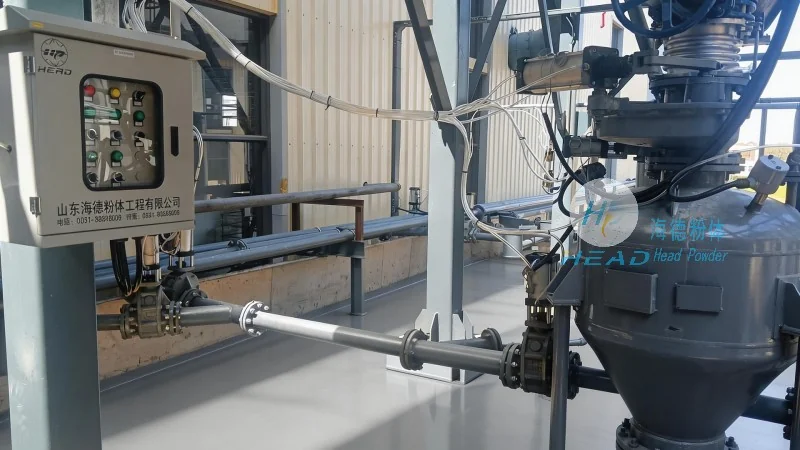
The working principle of seaweed residue pellet material handling typically involves several key stages. Initially, the raw seaweed residue is collected and prepared for processing. This may include drying, grinding, or sorting to remove impurities and achieve a consistent particle size. The prepared material is then fed into a pelletizing machine, where it is compressed and formed into uniform pellets. The pelletizing process often utilizes high-pressure rollers or extruders to shape the material into pellets, which are then cooled and collected for storage or further processing. The entire system is usually integrated with conveyor belts, hoppers, and control systems to ensure smooth material flow and operational efficiency. The handling equipment is designed to minimize dust generation and prevent material degradation, which is essential for maintaining the quality of the final product.
Key Characteristics of Seaweed Residue Pellet Material Handling Systems
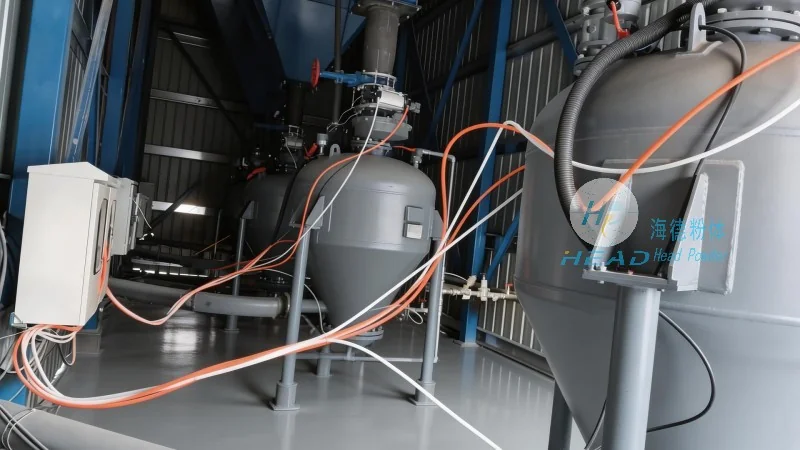
Seaweed residue pellet material handling systems exhibit several distinct characteristics that make them suitable for industrial applications. One of the primary characteristics is their high efficiency in handling bulk materials. These systems are capable of processing large volumes of seaweed residue in a continuous manner, reducing labor costs and increasing production throughput. Another important characteristic is the ability to maintain material integrity during transport. The equipment is engineered to prevent breakage or degradation of the pellets, which is critical for preserving the nutritional and chemical properties of the seaweed residue. Additionally, the systems are designed for durability and low maintenance, with robust components that can withstand the abrasive nature of the material. This ensures long-term operational reliability and reduces downtime. The handling systems also offer flexibility in terms of output size and shape, allowing customization to meet specific industrial requirements. Furthermore, the integration of advanced control technologies enables precise monitoring and adjustment of the processing parameters, optimizing the overall performance of the system.
Applications and Benefits in Industrial Context
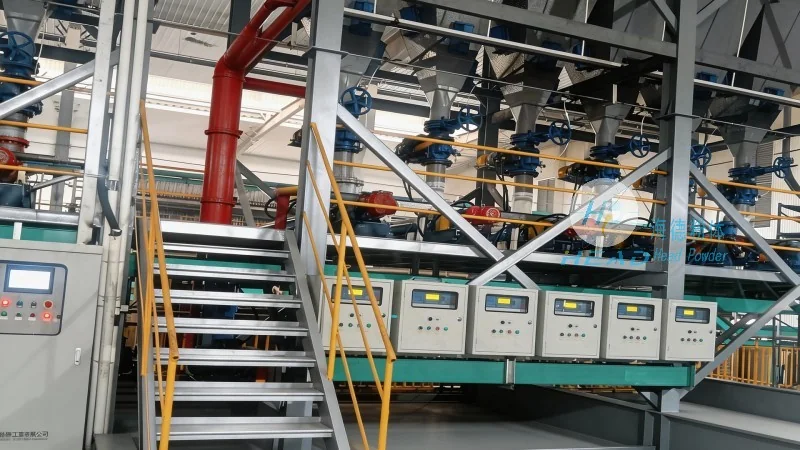
The application of seaweed residue pellet material handling systems spans various industries, with significant benefits for both producers and end-users. In the biofuel sector, these systems facilitate the efficient conversion of seaweed residue into pellets that can be used as a renewable energy source. The consistent quality of the pellets ensures reliable combustion and energy output, contributing to sustainable energy solutions. In the fertilizer industry, the pellets are used as organic fertilizers, providing essential nutrients to soil while reducing the environmental impact of traditional fertilizers. The uniformity and stability of the pellets enhance their effectiveness as a soil amendment, promoting plant growth and reducing the need for synthetic chemicals. For marine biotechnology, the processed pellets serve as a raw material for the production of bioactive compounds, such as antioxidants and enzymes. The controlled handling of the material ensures that the bioactive components are preserved, maximizing the value of the final product. Overall, the benefits of seaweed residue pellet material handling systems include improved resource utilization, reduced waste, and enhanced product quality, making them a valuable asset in modern industrial operations.
Technical Advancements and Future Developments
Technological advancements continue to enhance the capabilities of seaweed residue pellet material handling systems. Innovations in material processing, such as improved pelletizing technologies and advanced material handling equipment, are driving efficiency and performance. For instance, the development of high-capacity conveyor systems and automated control systems has significantly increased the throughput of pellet handling operations. Additionally, the integration of sensors and real-time monitoring technologies allows for better process control and quality assurance. These advancements enable operators to detect and address issues promptly, minimizing production losses and ensuring consistent product quality. Future developments may focus on sustainable materials and energy-efficient designs, further reducing the environmental footprint of the handling systems. The integration of artificial intelligence and machine learning could also optimize operational parameters, leading to more intelligent and adaptive material handling solutions. As the demand for seaweed-based products grows, the continuous improvement of pellet material handling systems will play a crucial role in meeting industrial needs and promoting sustainable practices.
Conclusion
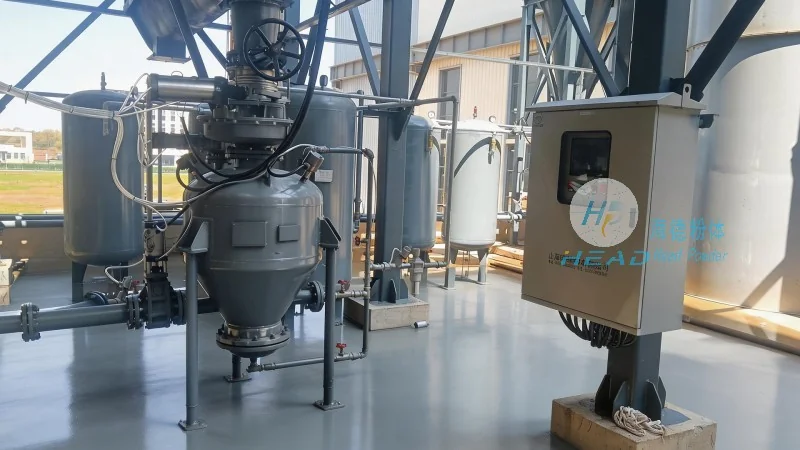
In conclusion, seaweed residue pellet material handling is a sophisticated process that combines advanced engineering and material science to efficiently manage and transport seaweed byproducts. The working principle, characterized by preparation, pelletization, and transport, ensures the material is processed into high-quality pellets suitable for various industrial applications. The key characteristics of these systems, including efficiency, material integrity, durability, and flexibility, make them indispensable in modern industrial settings. The applications in biofuel, fertilizer, and marine biotechnology sectors highlight the significant benefits of these systems, contributing to sustainable resource utilization and environmental protection. With ongoing technological advancements, the future of seaweed residue pellet material handling systems looks promising, with continued improvements in efficiency, sustainability, and adaptability. As industries increasingly prioritize sustainable practices, the role of these systems in processing seaweed residue will become even more critical, supporting the growth of the seaweed industry and its contributions to various sectors.