

Working Principle and Features of Fracturing Sand Pneumatic Conveying System Equipment
Fracturing sand pneumatic conveying systems are critical components in the oil and gas industry, designed to efficiently transport proppant materials during hydraulic fracturing operations. Understanding the working principle and key features of such systems is essential for optimizing operational efficiency and ensuring reliable performance in demanding field conditions.
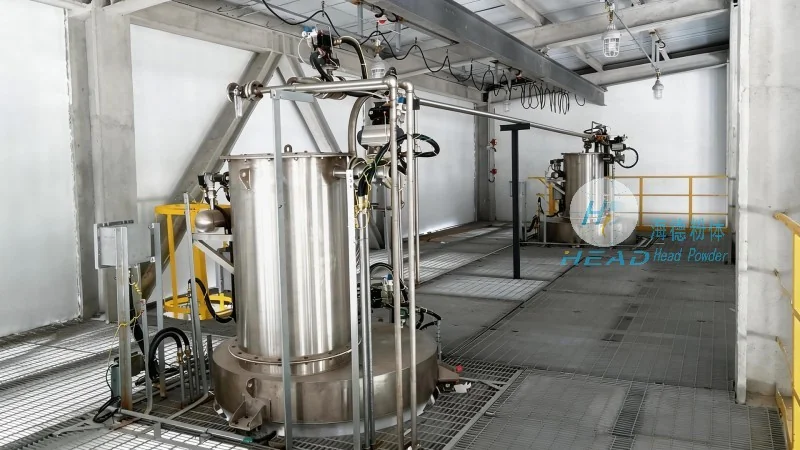
About HeadPowder: Leading Provider of Pneumatic Conveying Solutions
HeadPowder, or Shandong HeadPowder Engineering Co., Ltd., is a reputable company based in Shandong, China, specializing in the design, manufacturing, and supply of advanced pneumatic conveying equipment. With a strong commitment to innovation and quality, HeadPowder has established itself as a trusted partner for clients seeking reliable solutions for material handling in various industrial applications, including the oil and gas sector.
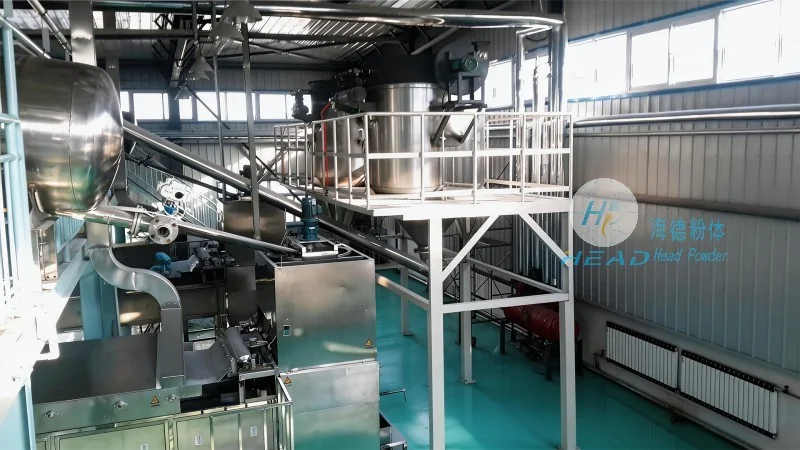
Working Principle of the Fracturing Sand Pneumatic Conveying System
The core of a fracturing sand pneumatic conveying system lies in its ability to use compressed air or other gases to transport solid particles, such as proppant sand, through a pipeline network. The process typically involves several key steps: first, the proppant is fed into a hopper or feeder, where it is then introduced into the conveying line. Next, a high-pressure air stream is generated by a blower or compressor, which propels the sand particles through the pipeline. The system may include components like cyclones or filters to separate the sand from the air at the receiving end, ensuring that the material is deposited accurately and the air is cleaned before release. This method eliminates the need for mechanical components like belts or buckets, reducing wear and maintenance requirements while enabling flexible and continuous operation.
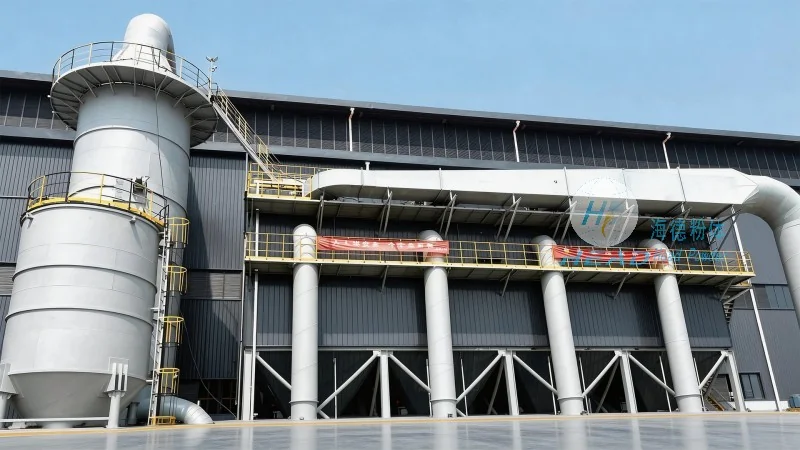
Key Features and Advantages of the System
HeadPowder's fracturing sand pneumatic conveying systems are engineered with several distinct features that enhance performance and reliability. One of the primary advantages is the system's high efficiency in transporting large volumes of proppant over long distances with minimal energy consumption. The use of air as the conveying medium allows for a smooth, continuous flow that reduces material degradation and prevents blockages, which are common issues with traditional mechanical conveyors. Additionally, the systems are designed for low maintenance, featuring robust components that can withstand the abrasive nature of proppant sand, thereby extending the equipment's service life. Another notable feature is the integration of advanced control systems that allow for real-time monitoring and adjustment of the conveying process, ensuring optimal performance under varying operational conditions. The systems also prioritize environmental considerations, with features such as air filtration and dust control to minimize emissions and comply with industry regulations. Furthermore, the modular design of the equipment enables easy installation and customization to suit specific project requirements, providing flexibility for different well sites and operational scenarios.
Applications and Operational Benefits
Fracturing sand pneumatic conveying systems are widely used in hydraulic fracturing operations to transport proppant from storage facilities to the wellhead. The ability to handle abrasive materials like sand efficiently makes these systems ideal for maintaining consistent proppant delivery rates, which is crucial for achieving optimal fracture treatment results. By reducing downtime and improving material handling speed, the systems contribute to increased productivity and cost savings for oil and gas operators. The reliability of pneumatic conveying also minimizes the risk of material loss or contamination, ensuring that the proppant remains in optimal condition for use in the fracturing process. Moreover, the systems' ability to operate in remote or challenging environments, such as offshore or desert locations, further enhances their utility in the oil and gas industry.
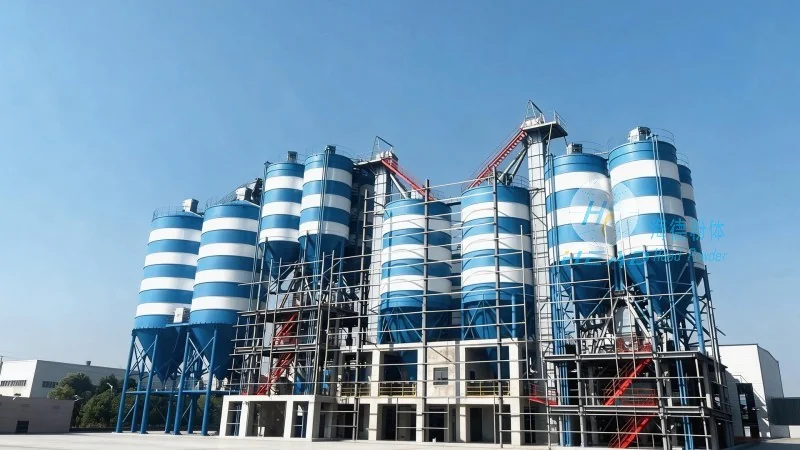
Conclusion
HeadPowder's fracturing sand pneumatic conveying systems represent a sophisticated solution for the efficient and reliable transport of proppant materials in hydraulic fracturing operations. By leveraging the principles of pneumatic conveying and incorporating advanced engineering features, these systems offer significant advantages in terms of performance, durability, and operational flexibility. As a leading provider based in Shandong, China, HeadPowder continues to deliver high-quality equipment that meets the evolving needs of the oil and gas industry, supporting enhanced productivity and operational success in fracturing projects worldwide.