

Working Principle and Features of Lithium Cobalt Oxide Pneumatic Conveying System Equipment
Understanding the working principle and features of lithium cobalt oxide (LiCoO₂) pneumatic conveying systems is crucial for industries dealing with this critical battery material. This article provides a detailed overview of how such systems operate and the key characteristics that make them effective in handling LiCoO₂, along with information about the company, Shandong HeadPowder Engineering Co., Ltd., which specializes in engineering solutions for material handling.
Working Principle of Lithium Cobalt Oxide Pneumatic Conveying Systems
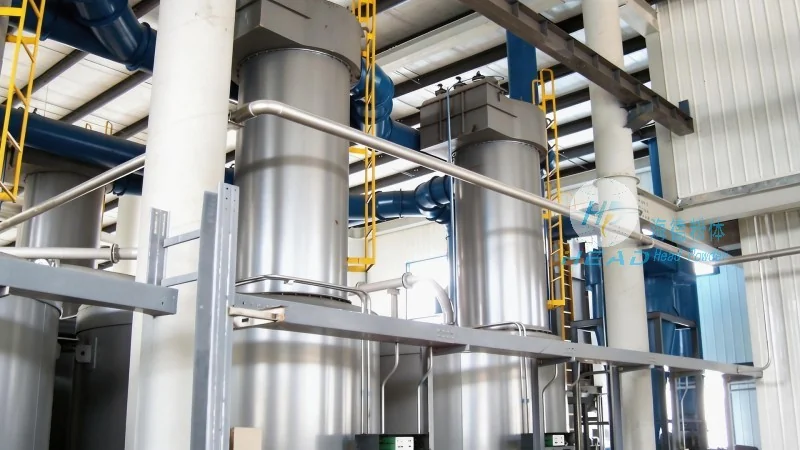
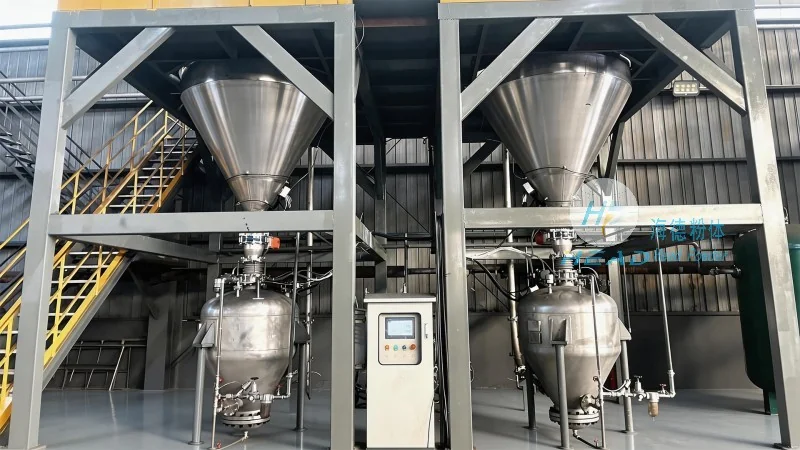
Lithium cobalt oxide pneumatic conveying systems utilize air or other gas streams to transport fine powders, such as LiCoO₂, from one location to another. The core mechanism involves creating a pressure differential that propels the material through a pipeline. The system typically consists of a hopper, a rotary valve, a venturi or airlock, and a receiver. The process begins when the material is fed into the hopper, where it is then discharged into the conveying line via the rotary valve. Compressed air is introduced at the inlet of the venturi, creating a low-pressure zone that draws the powder into the air stream. The mixture of powder and air travels through the pipeline to the receiver, where the air is separated from the material, often using a cyclone or filter, and the air is then exhausted. This method allows for efficient, dust-free, and continuous transport of LiCoO₂, which is essential for maintaining material quality and safety in battery production.
Key Features of Lithium Cobalt Oxide Pneumatic Conveying Systems
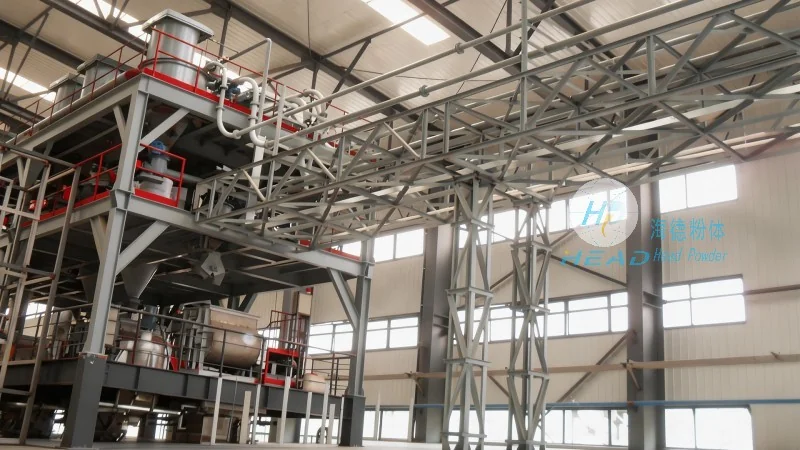
Several distinct features make lithium cobalt oxide pneumatic conveying systems particularly suitable for handling this material. First, the systems are designed to minimize particle attrition and agglomeration, which are critical for preserving the integrity of LiCoO₂ particles. The gentle handling ensures that the material's chemical and physical properties remain stable, which is vital for battery performance. Second, these systems offer high transport efficiency and capacity, enabling large-scale production lines to operate smoothly without frequent stops or maintenance. Third, the enclosed design of the system reduces dust exposure, enhancing workplace safety and compliance with environmental regulations. Additionally, the flexibility of pneumatic conveying allows for easy integration with existing production facilities and the ability to transport materials over long distances with minimal energy consumption. The use of advanced materials and engineering in the construction of these systems ensures durability and resistance to corrosion, which is important given the chemical nature of LiCoO₂. Finally, the systems are equipped with monitoring and control features that allow operators to adjust parameters in real-time, optimizing performance and reducing downtime.
About Shandong HeadPowder Engineering Co., Ltd.
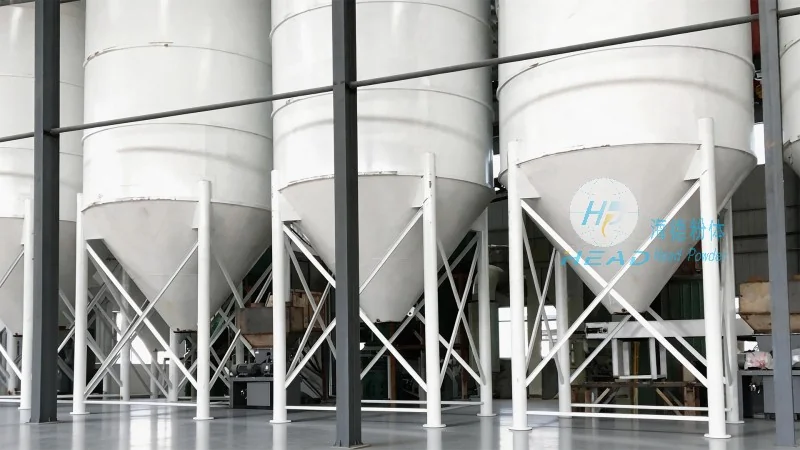
Shandong HeadPowder Engineering Co., Ltd., commonly known as HeadPowder, is a leading provider of engineering solutions for material handling, particularly in the battery and chemical industries. With a focus on innovation and quality, the company specializes in designing and manufacturing pneumatic conveying systems tailored to the specific needs of clients. HeadPowder's expertise lies in understanding the unique properties of materials like lithium cobalt oxide and developing systems that ensure safe, efficient, and reliable transport. The company's facilities are located in Shandong, China, where it leverages local resources and expertise to deliver high-quality products and services to a global market. By combining advanced technology with a customer-centric approach, HeadPowder has established itself as a trusted partner for businesses seeking to optimize their material handling processes.