

What is a Powder Material Pneumatic Conveying System for Coatings? And What Are Its Design Principle
For manufacturers in the coatings industry, efficiently handling and transporting powder materials is a critical operational challenge. A powder material pneumatic conveying system offers a solution that combines functionality with reliability, ensuring that raw materials are moved safely and effectively from one point to another. This article explores the fundamental aspects of such systems, focusing on their design principles and the key considerations that drive their development, with insights from industry leaders like Shandong HeadPowder Engineering Co., Ltd.
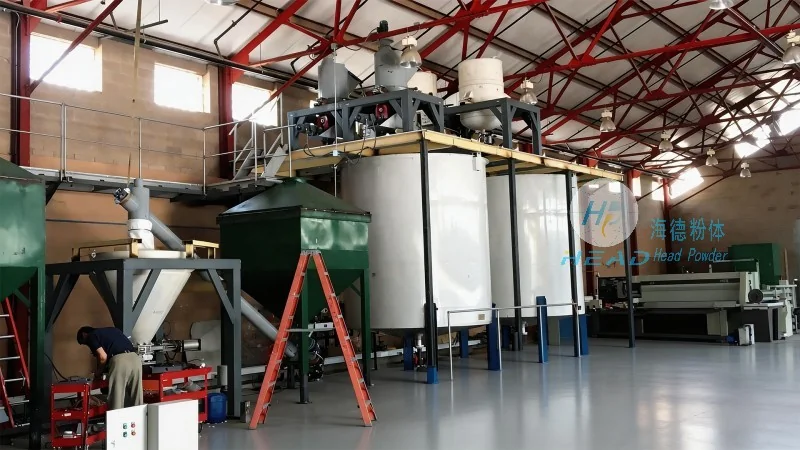
Understanding the Core Components of a Pneumatic Conveying System
At the heart of any powder material pneumatic conveying system lies a series of interconnected components that work in harmony to achieve the desired material transport. The primary elements include a material hopper or feeder, a conveying line (often equipped with a venturi or other air distribution components), a receiver or destination vessel, and a blower or air compressor that generates the necessary airflow. Each component plays a vital role in the overall operation, and their design must be optimized to handle the specific characteristics of coating powders, such as particle size, density, and moisture content. The expertise of Shandong HeadPowder Engineering Co., Ltd. in component selection ensures that systems are built to withstand the demands of coating material handling.
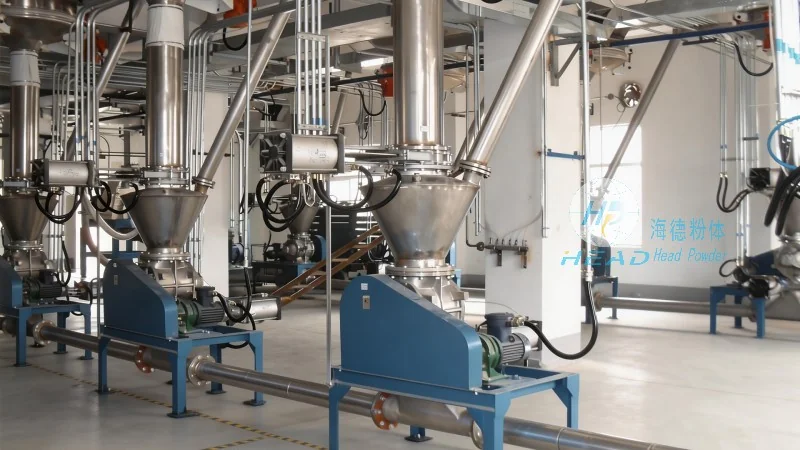
Design Principles for Efficient Material Transport
The design of a pneumatic conveying system for coating powders is guided by several key principles aimed at maximizing efficiency, minimizing material degradation, and ensuring system longevity. One of the most critical principles is the selection of the appropriate air velocity. The air velocity must be high enough to overcome the resistance of the powder particles in the conveying line but low enough to prevent excessive wear on system components and to avoid product degradation due to friction or heat generation. This balance is often achieved through the use of a venturi or other air distribution devices that control the airflow and particle movement. The engineering team at Shandong HeadPowder Engineering Co., Ltd. specializes in optimizing these parameters to deliver consistent performance.
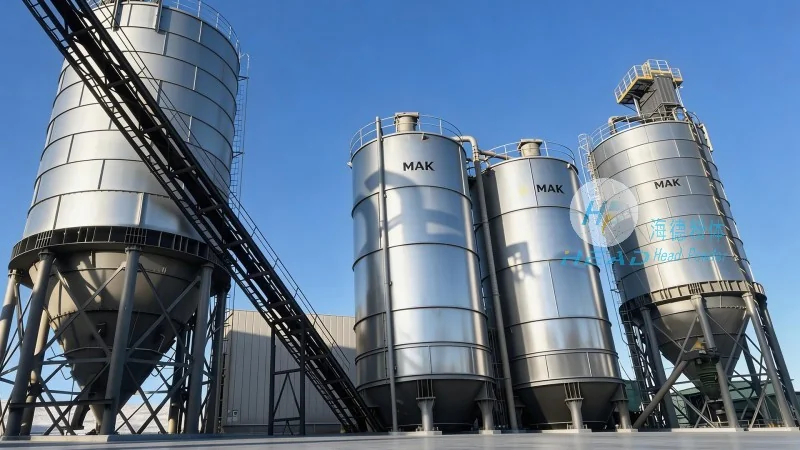
Key Considerations in System Design
When designing a powder material pneumatic conveying system for coatings, several factors must be carefully considered to ensure optimal performance. The first is the type of conveying system—whether it is a pressure or vacuum system. Pressure systems are typically used for short to medium distances and involve blowing air into the conveying line, while vacuum systems draw material into the line using a vacuum. The choice depends on the distance between the source and destination, the material's properties, and the required flow rate. Another critical factor is the material's particle size distribution and flowability. Coating powders often have a wide range of particle sizes, and the system must be designed to handle these variations without causing blockages or excessive pressure drops. Additionally, the system must be equipped with features to prevent material buildup, such as cyclones or filters, to maintain consistent performance and prevent downtime. Shandong HeadPowder Engineering Co., Ltd. incorporates these features into their designs to enhance system reliability.
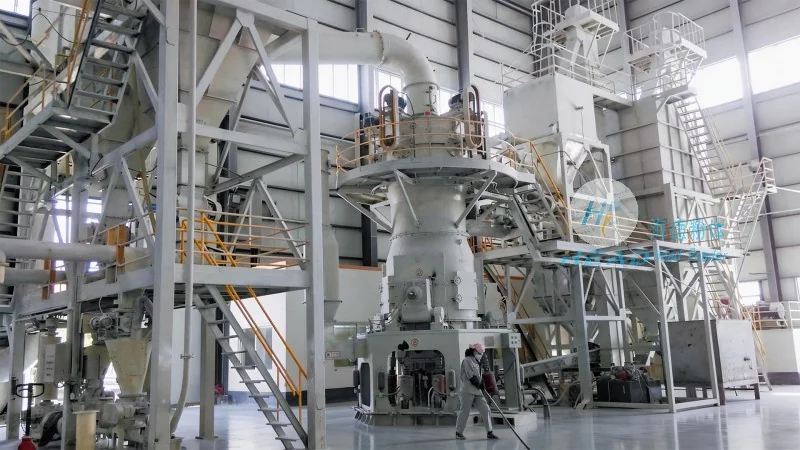
Benefits of Using a Pneumatic Conveying System for Coatings
Implementing a powder material pneumatic conveying system for coatings offers numerous benefits that enhance operational efficiency and product quality. One of the most significant advantages is the ability to transport materials in a closed system, which minimizes exposure to contaminants and reduces dust emissions, thereby improving workplace safety and environmental compliance. This closed system also helps maintain the integrity of the powder, preventing moisture absorption or degradation that could affect the final coating properties. Furthermore, pneumatic conveying systems are highly flexible, allowing for easy integration with existing production lines and the ability to adjust flow rates as production needs change. The automated nature of these systems reduces the need for manual handling, which in turn lowers labor costs and minimizes the risk of human error. Companies like Shandong HeadPowder Engineering Co., Ltd. have successfully implemented such systems for numerous coating manufacturers, resulting in improved productivity and reduced operational costs.