

What is Perlite Material Pneumatic Conveying Equipment? And What Are Its Design Principles?
Perlite material pneumatic conveying equipment is a specialized system designed for the efficient transport of perlite, a lightweight, volcanic glass-based material commonly used in construction, horticulture, and industrial applications. This equipment utilizes air as the primary medium to move perlite particles from one location to another, offering a dust-free and flexible solution compared to traditional mechanical conveying methods. The system's design is tailored to handle the unique properties of perlite, such as its low density and tendency to flow like a fluid under certain conditions.
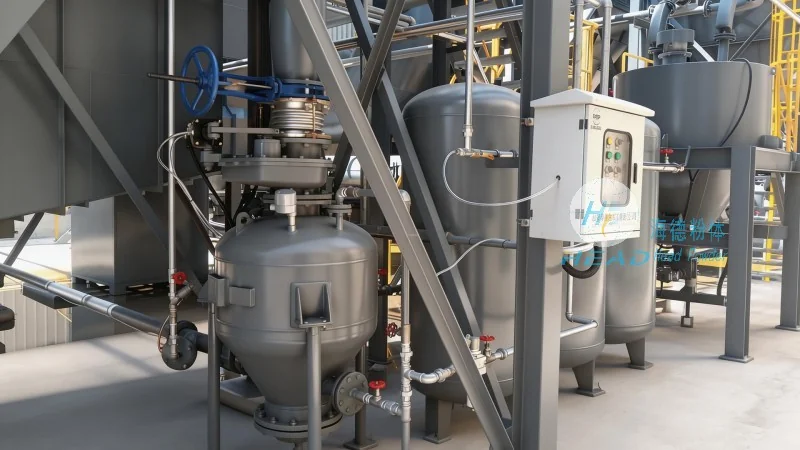
Key Components and Design Principles of the Equipment
The core components of a perlite material pneumatic conveying system typically include a hopper for material storage, a feeder to control the flow rate, a conveying line (often with a pipeline), a dust collector to capture any airborne particles, and a blower or compressor to generate the necessary air pressure. The design principles focus on ensuring optimal air velocity and pressure to maintain particle suspension and prevent blockages. For perlite, which is lightweight and can be prone to static charge, the system may incorporate features like anti-static coatings or ionizers to prevent particle buildup on surfaces. The hopper and feeder are designed with smooth, non-stick surfaces to facilitate easy discharge and minimize material degradation. The conveying line is usually made of corrosion-resistant materials, such as stainless steel or PVC, to withstand the abrasive nature of perlite particles. The blower or compressor is selected based on the required air volume and pressure, ensuring sufficient force to overcome the resistance of the pipeline and maintain consistent particle transport.
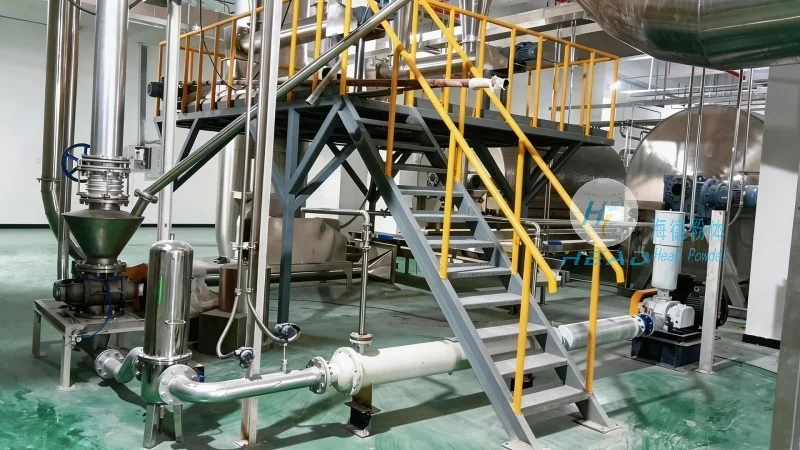
How the Equipment Works: A Step-by-Step Overview
The operation of perlite material pneumatic conveying equipment involves several key steps. First, perlite is fed from the storage hopper into the feeder, which regulates the flow rate to match the system's capacity. The feeder then delivers the material into the conveying line, where it is entrained by the high-velocity air from the blower. As the air and perlite mixture travels through the pipeline, the particles remain suspended due to the air's kinetic energy. The system may include multiple conveying lines or a loop system to transport the material over longer distances or to different destinations. At the receiving end, a separator or cyclone separates the perlite from the air, allowing the material to be deposited into a collection bin. The air, now free of particles, is then filtered by the dust collector and released back into the environment. This process is continuous and can be automated to maintain consistent performance, reducing the need for manual intervention and improving overall efficiency.
Advantages of Using Perlite Material Pneumatic Conveying Equipment
Compared to traditional mechanical conveying methods, perlite material pneumatic conveying equipment offers several advantages. One of the most significant benefits is the elimination of dust and contamination, as the material is contained within the pipeline and air system. This is particularly important for perlite, which is often used in applications where purity is critical, such as in horticulture or construction materials. The system also provides flexibility in terms of layout, as the conveying lines can be easily reconfigured or extended to accommodate changes in production or facility design. Additionally, the equipment can handle a wide range of particle sizes and flow rates, making it suitable for various perlite applications. The low maintenance requirements and energy efficiency of modern pneumatic conveying systems further enhance their appeal, as they require less space and operational costs compared to traditional methods. For companies dealing with perlite, investing in such equipment can lead to improved product quality, reduced labor costs, and increased operational efficiency.
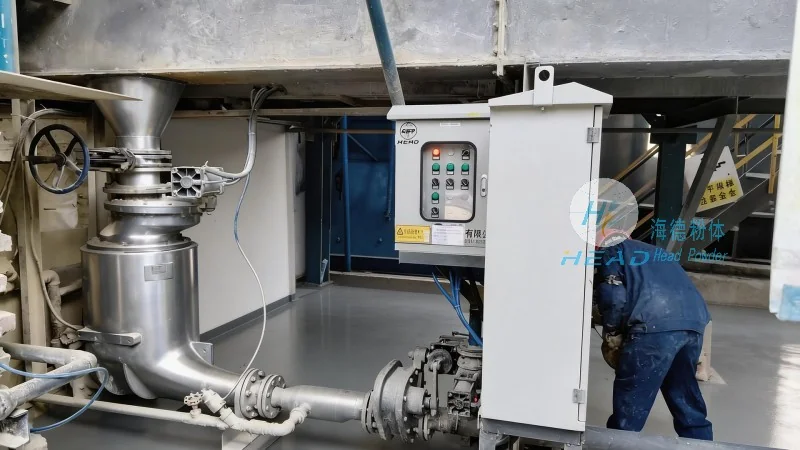
About Shandong HeadPowder Engineering Co., Ltd.
Shandong HeadPowder Engineering Co., Ltd., commonly known as headpowder, is a leading manufacturer and supplier of specialized material handling equipment, including perlite material pneumatic conveying systems. With a strong focus on innovation and customer satisfaction, the company has established itself as a trusted partner in the industry. HeadPowder's facilities are located in Shandong, China, where the company leverages advanced manufacturing technologies and a skilled workforce to produce high-quality equipment. The company's team of engineers and technicians specializes in designing and customizing conveying systems to meet the specific needs of clients, ensuring optimal performance and reliability. HeadPowder is committed to providing comprehensive solutions, from initial consultation and system design to installation and after-sales support. By choosing headpowder, clients can benefit from years of experience and expertise in material handling, ensuring that their perlite conveying needs are met with precision and efficiency.