

What is a Mixed-Mode Powder Pneumatic Conveying System? What are the Design Principles?
A mixed-mode powder pneumatic conveying system represents a sophisticated industrial solution engineered to transport bulk powders with exceptional efficiency and reliability. Unlike conventional single-mode systems, this technology integrates multiple pneumatic conveying methods—such as positive pressure, negative pressure, and hybrid approaches—to address the diverse challenges of powder handling across various sectors. The system is designed to optimize material transport by combining the strengths of different pressure regimes, ensuring high throughput, minimal product degradation, and cost-effective operation. This article provides an in-depth exploration of the fundamental concepts of mixed-mode powder pneumatic conveying and delves into the core design principles that govern its effectiveness in real-world applications.
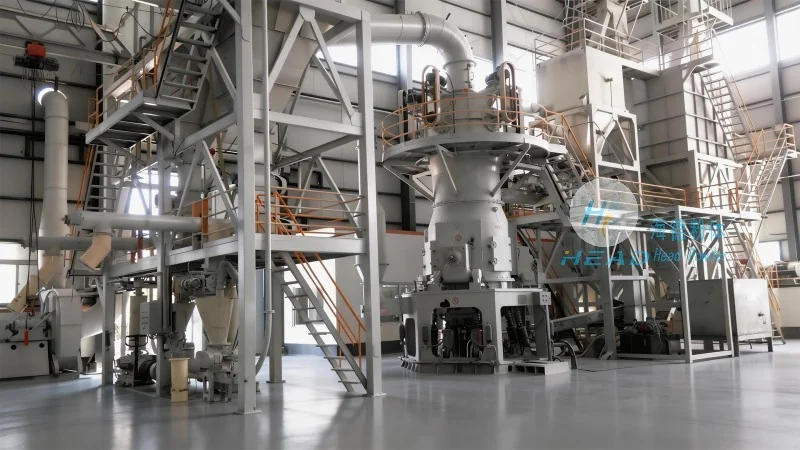
Key Components and Their Roles in a Mixed-Mode System
The mixed-mode powder pneumatic conveying system comprises several critical components that work in unison to achieve seamless material transport. At the core of the system is the material feed hopper, which serves as the storage and feeding unit for bulk powders. This hopper is typically equipped with a rotary valve or a star feeder, which precisely controls the flow rate and prevents material buildup, ensuring a consistent supply to the conveying line. The conveying line itself is constructed from high-quality stainless steel or other corrosion-resistant materials, chosen to withstand the specific properties of the powder being handled—such as particle size, density, moisture content, and abrasiveness. The system may include multiple conveying sections, each optimized for different pressure conditions: positive pressure is utilized for short, high-capacity runs, where the pressure drop is relatively low, and negative pressure is employed for longer, lower-capacity transport, where the risk of product degradation is higher due to prolonged exposure to air. Additionally, the system incorporates filtration and dust collection equipment to maintain air quality and comply with environmental regulations. The control panel, equipped with sensors and programmable logic controllers (PLCs), monitors and adjusts system parameters in real-time, ensuring optimal performance and safety. Each component is meticulously designed to contribute to the overall efficiency and reliability of the mixed-mode system.
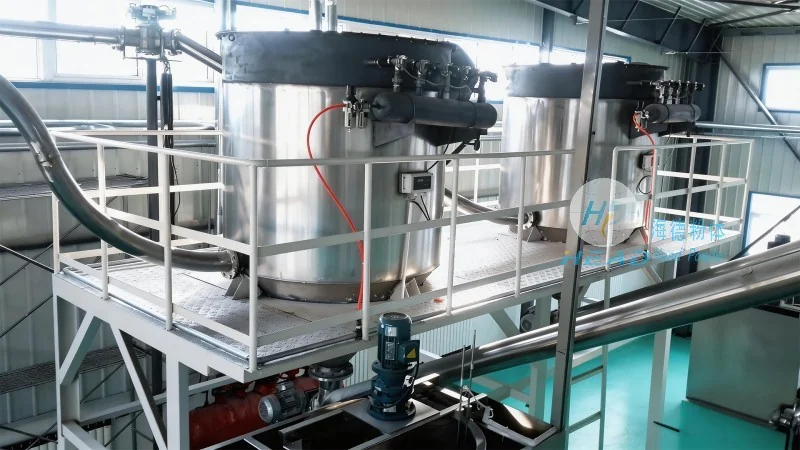
Design Principles Guiding Mixed-Mode System Development
The design of a mixed-mode powder pneumatic conveying system is governed by several key principles aimed at maximizing efficiency, adaptability, and safety. First, the principle of pressure optimization is paramount. By integrating positive and negative pressure zones, the system can handle a wide range of powder characteristics—from free-flowing to cohesive materials—while minimizing energy consumption. For example, positive pressure is utilized for short, high-capacity runs, where the pressure drop is manageable, and negative pressure is employed for longer, lower-capacity transport, where the risk of product degradation is higher due to prolonged exposure to air. Second, the principle of material compatibility is critical. The system's components, including the hopper, feeder, and conveying line, are selected based on the specific properties of the powder being processed. This involves considering factors such as particle size distribution, bulk density, and flowability to prevent equipment wear, ensure consistent performance, and maintain product quality. Third, the principle of system flexibility is essential. Mixed-mode systems are engineered as modular units, allowing for easy expansion or reconfiguration to accommodate changing production needs. This adaptability is particularly valuable in industries where product lines or processing requirements evolve over time, as it reduces the need for costly system overhauls. Fourth, the principle of safety and environmental compliance is non-negotiable. The system incorporates features such as explosion-proof designs, dust suppression mechanisms, and air filtration systems to protect personnel and the environment. These measures are crucial in industries like pharmaceuticals, food processing, and chemical manufacturing, where product purity and safety are of the utmost importance. By adhering to these design principles, mixed-mode systems deliver reliable and efficient performance across diverse applications.
Applications and Benefits Across Industries
Mixed-mode powder pneumatic conveying systems find widespread applications across a variety of industries, including pharmaceuticals, food and beverage, chemicals, and minerals processing. In the pharmaceutical industry, these systems are employed to transport active pharmaceutical ingredients (APIs) and excipients with stringent purity requirements, ensuring that the final product remains free from contamination and degradation. The food and beverage sector utilizes mixed-mode systems to handle powders like sugar, flour, and spices, maintaining product quality and preventing cross-contamination. In the chemical industry, the systems are used to transport abrasive and corrosive powders, such as cement and fertilizers, while minimizing equipment wear and downtime. The benefits of mixed-mode systems are multifaceted. They offer high throughput and low maintenance costs compared to traditional mechanical conveying methods, such as screw conveyors or belt conveyors. The system's ability to handle diverse powder types without the need for multiple equipment setups reduces operational complexity and increases overall efficiency. Additionally, the mixed-mode approach minimizes product degradation by controlling the conveying velocity and pressure, which is particularly important for heat-sensitive or delicate materials. The modular design of these systems also allows for easy integration into existing production lines, reducing installation time and costs. Furthermore, mixed-mode systems contribute to improved workplace safety by eliminating the need for manual handling of bulk powders, reducing the risk of dust-related health issues and accidents. These advantages make mixed-mode powder pneumatic conveying systems a preferred choice for industries that demand high performance, reliability, and compliance with regulatory standards.
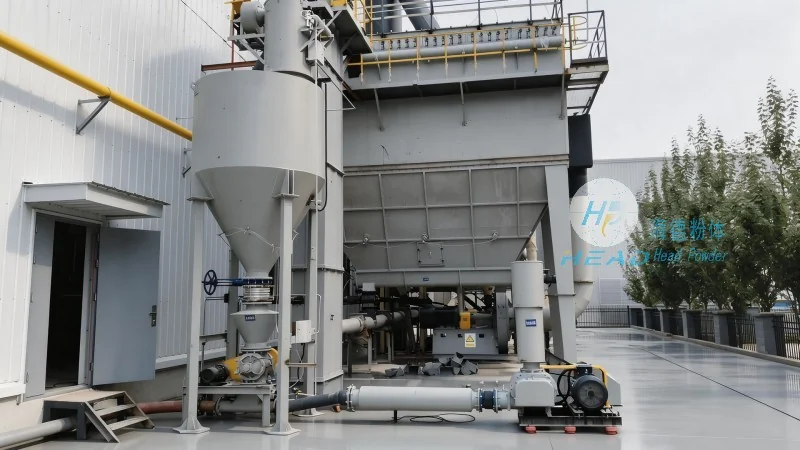
Company Profile: Shandong HeadPowder Engineering Co., Ltd.
Shandong HeadPowder Engineering Co., Ltd. is a leading manufacturer and supplier of advanced powder handling solutions, specializing in the design, development, and production of mixed-mode powder pneumatic conveying systems. With a strong commitment to innovation, quality, and customer satisfaction, the company has established itself as a trusted partner for businesses seeking reliable and efficient powder transport solutions. HeadPowder's engineering team leverages extensive industry experience and cutting-edge technology to develop customized systems tailored to the unique needs of various industries. The company's headquarters is located in Shandong, China, where its state-of-the-art facilities and research and development centers support continuous improvement and product innovation. HeadPowder's mixed-mode systems are known for their durability, energy efficiency, and adaptability, making them a preferred choice for industries that demand high performance and consistent results. The company adheres to international quality standards and employs rigorous testing protocols to ensure that each system meets or exceeds customer expectations. By focusing on customer needs and technological advancement, Shandong HeadPowder Engineering Co., Ltd. continues to deliver solutions that enhance operational efficiency and product quality for its clients.