

What is a Battery Positive Electrode Material Powder Conveying System Equipment? And What Are Its De
HeadPowder, a leading enterprise based in Shandong, China, specializes in the research, development, and manufacturing of advanced powder conveying systems tailored for the battery industry. This article aims to provide a comprehensive overview of the battery positive electrode material powder conveying system equipment, focusing on its design principles and operational mechanisms.
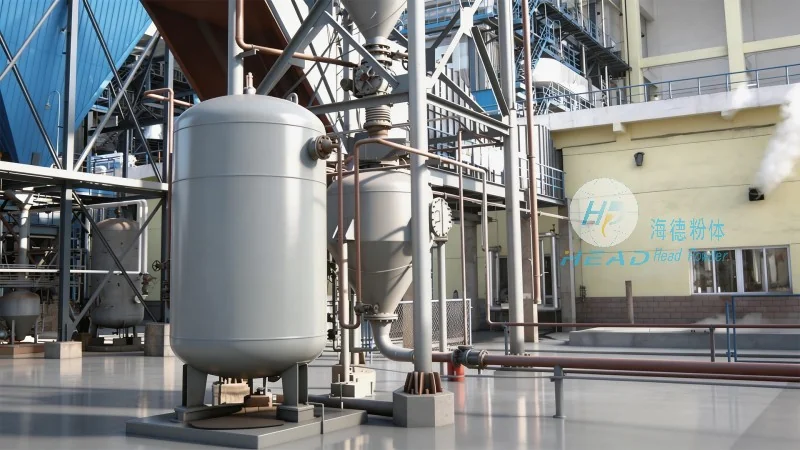
Introduction to Battery Positive Electrode Material Powder Conveying Systems
The battery positive electrode material powder conveying system is a critical component in the production process of lithium-ion batteries and other rechargeable battery technologies. It is responsible for the efficient and reliable transport of positive electrode active materials, such as lithium cobalt oxide (LiCoO₂), lithium nickel manganese cobalt oxide (NMC), and lithium iron phosphate (LFP), from raw material storage to the mixing and coating stages. The system ensures that these fine powders are handled with minimal loss, contamination, and degradation, which are crucial for maintaining the quality and performance of the final battery products.
Key Components of the Powder Conveying System
The battery positive electrode material powder conveying system typically consists of several key components that work in tandem to achieve seamless material transport. These components include:
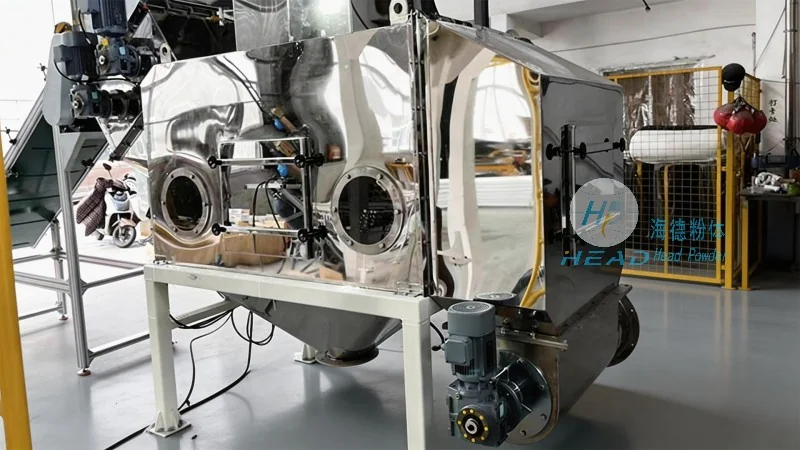
- Pneumatic Conveying Equipment: This includes devices like rotary valves, airlocks, and cyclone separators that use compressed air to move powders through pipelines. Pneumatic systems are preferred for their ability to handle fine powders without the need for mechanical contact, reducing the risk of particle attrition and contamination.
- Storage Silos and Hoppers: These are used to store the raw positive electrode materials in bulk. The design of these containers is optimized to minimize material bridging and ensure consistent flow to the conveying equipment.
- Control Systems: Advanced control panels and sensors are integrated to monitor and regulate the flow rate, pressure, and temperature of the conveying process. This ensures precise control over material delivery and prevents overloading or underloading of the downstream processes.
Design Principles for Efficient Powder Conveying
The design of the battery positive electrode material powder conveying system is guided by several fundamental principles aimed at maximizing efficiency, reliability, and material integrity. These principles include:
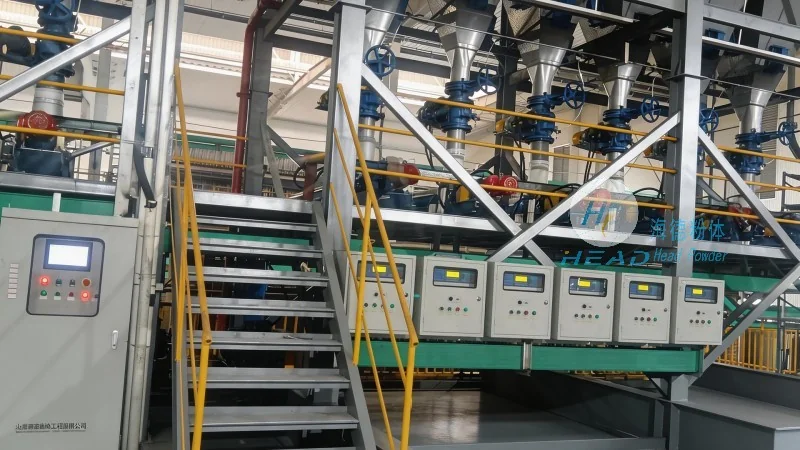
- Minimizing Particle Attrition: The system is designed with smooth, low-friction surfaces and gentle material handling mechanisms to prevent the breakdown of fine particles. This is critical for maintaining the chemical and physical properties of the positive electrode materials, which directly impact battery performance.
- Preventing Contamination: The entire conveying system is constructed from materials that are compatible with the battery powders and are resistant to corrosion and chemical reactions. Additionally, the system incorporates filtration and cleaning mechanisms to ensure that no foreign particles enter the material stream.
- Optimizing Airflow and Pressure: The design of the pipelines, valves, and airlocks is optimized to maintain consistent airflow and pressure throughout the conveying process. This ensures that the powders are transported at the desired velocity without causing excessive energy consumption or pressure drops.
- Ensuring Scalability and Flexibility: The system is designed to be scalable, allowing it to accommodate varying production volumes and different types of positive electrode materials. It also features modular components that can be easily adjusted or replaced to adapt to changing production requirements.
Operational Mechanisms and Process Flow
The operational mechanism of the battery positive electrode material powder conveying system involves a sequential process that begins with material storage and ends with precise delivery to the mixing and coating equipment. The typical process flow includes:
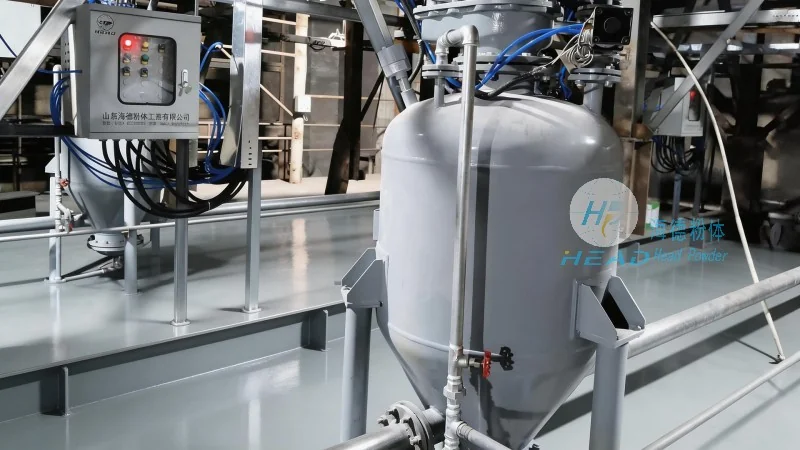
- Material Loading: The positive electrode materials are loaded into the storage silos from bulk containers or trucks. The silos are equipped with level sensors to monitor the material inventory.
- Material Transfer: When the downstream process requires material, the system is activated. Compressed air is introduced into the system, creating a pressure differential that moves the powders through the rotary valves and airlocks into the conveying pipelines.
- Transport and Separation: The powders are transported through the pipelines at a controlled velocity. At the receiving end, cyclone separators or filters separate the conveyed material from the air, allowing the powders to be deposited into the mixing hoppers or coating tanks.
- Control and Monitoring: The entire process is monitored by the control system, which adjusts the airflow, pressure, and material flow rates based on real-time feedback from sensors. This ensures that the system operates within optimal parameters and maintains consistent material quality.
Advantages of the HeadPowder Powder Conveying System
HeadPowder's battery positive electrode material powder conveying system offers several advantages that make it a preferred choice for battery manufacturers. These advantages include:
- High Efficiency and Reliability: The system is designed to deliver high material throughput with minimal downtime, ensuring smooth production operations.
- Preservation of Material Properties: The gentle handling and low-friction design minimize particle attrition and contamination, preserving the quality of the positive electrode materials.
- Customization and Scalability: HeadPowder offers customized solutions tailored to the specific needs of each client, with scalable components that can adapt to changing production demands.
- Advanced Control and Monitoring: The integrated control system provides real-time monitoring and data analysis, enabling operators to optimize the conveying process and identify potential issues before they impact production.
Conclusion
The battery positive electrode material powder conveying system is a critical piece of equipment in the battery manufacturing process, responsible for the efficient and reliable transport of positive electrode materials. The design principles and operational mechanisms of this system are optimized to minimize material loss, contamination, and degradation, while ensuring high throughput and consistent quality. HeadPowder, with its expertise in powder handling technology, provides advanced solutions that meet the demanding requirements of the battery industry, contributing to the production of high-performance rechargeable batteries.