

What is the LiNiCoAl Oxide Powder Conveying Equipment? And What Are Its Design Principles?
LiNiCoAl oxide, commonly known as NCA, is a critical cathode material used in lithium-ion batteries, particularly in high-energy-density applications such as electric vehicles and energy storage systems. The efficient and reliable handling of NCA powder is essential for the battery manufacturing process, as it directly impacts production efficiency, product quality, and safety. This article explores the LiNiCoAl oxide powder conveying equipment, detailing its purpose and the underlying design principles that enable its operation.
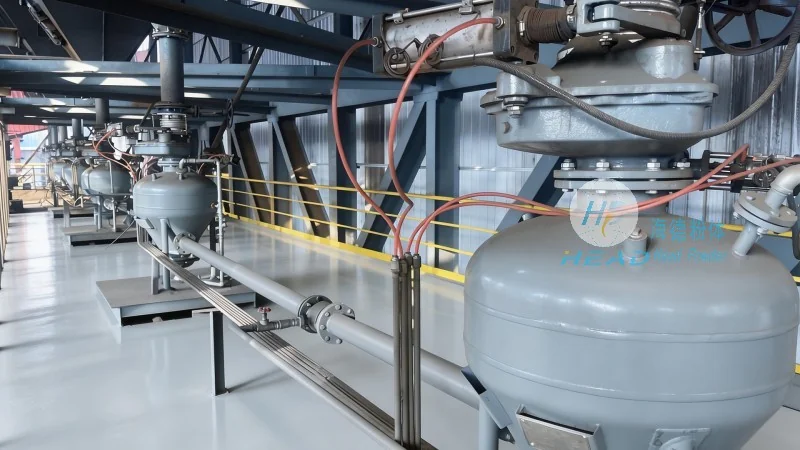
Understanding the Role of LiNiCoAl Oxide Powder Conveying Equipment
In the battery production line, NCA powder is typically produced in large quantities and needs to be transported from one processing stage to another, such as from mixing to drying, granulation, and packaging. Conventional methods like manual handling or simple bulk transport are often inefficient and pose risks like dust exposure and material loss. The LiNiCoAl oxide powder conveying equipment is specifically engineered to address these challenges by providing a controlled, dust-free, and efficient means of moving the powder. It ensures that the material is transferred without degradation, maintaining its chemical and physical properties, which is crucial for battery performance.
Key Design Principles of the Conveying Equipment
The design of LiNiCoAl oxide powder conveying equipment is guided by several key principles to ensure optimal performance and safety. First, the equipment must be constructed from materials that are chemically inert and resistant to corrosion, as NCA powder can be reactive under certain conditions. Common materials include stainless steel, which is widely used for its durability and non-reactive nature. Second, the system is designed to minimize particle attrition and agglomeration during transport. This is achieved through the use of low-speed, smooth-surface components and appropriate air flow management. The conveying mechanisms, such as pneumatic or mechanical systems, are carefully selected to avoid damaging the fine particles of NCA, which could lead to performance issues in the final battery product.
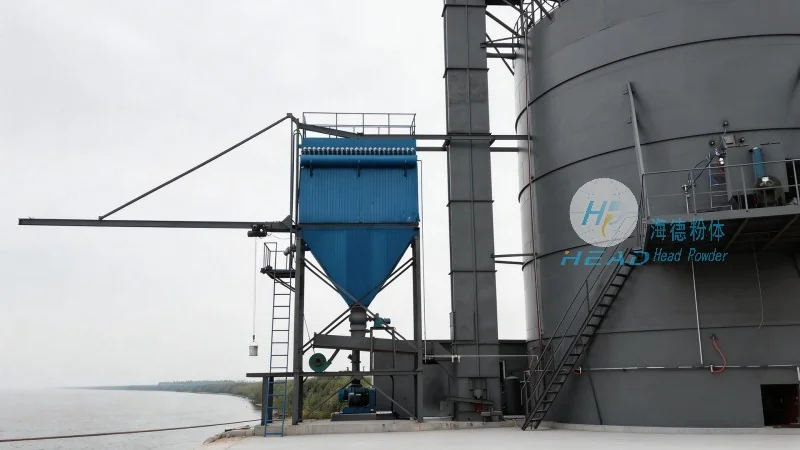
Third, dust control is a paramount design consideration. The equipment incorporates sealed systems and filtration to prevent the release of NCA powder into the environment, which is not only a health hazard but also a regulatory requirement. The use of negative pressure or sealed hoppers and ducts ensures that the powder remains contained within the system, reducing the risk of contamination and environmental impact. Fourth, the design prioritizes energy efficiency and operational reliability. The components are selected for their low maintenance requirements and ability to operate continuously over long periods without interruption. This is vital for maintaining consistent production rates in large-scale battery manufacturing facilities.
Components and Operational Mechanisms
The LiNiCoAl oxide powder conveying equipment typically consists of several interconnected components that work together to transport the material. The primary components include a hopper for material storage, a feeding system to control the flow of powder, a conveying mechanism (either pneumatic or mechanical), and a receiving hopper or processing unit. The feeding system, often a rotary valve or a screw feeder, regulates the amount of powder released into the conveying line, ensuring a steady and controlled flow. The conveying mechanism, such as a pneumatic pipeline with air jets or a mechanical screw conveyor, moves the powder through the system. The air in pneumatic systems is filtered and dried to prevent moisture from affecting the NCA powder, which could alter its chemical composition and battery performance.
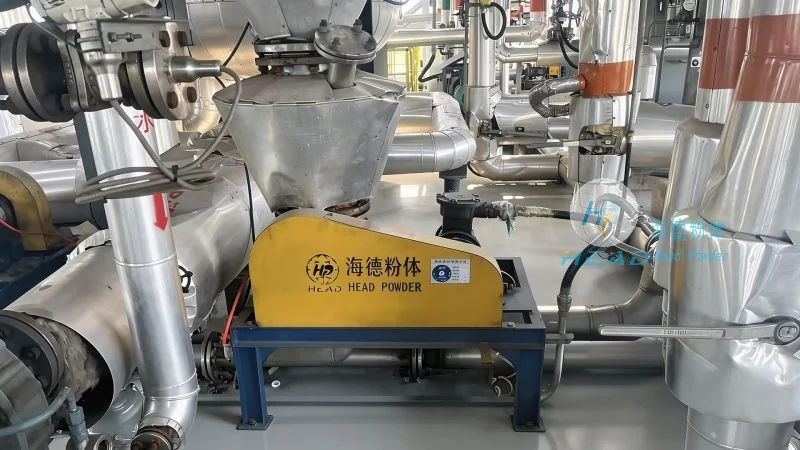
Benefits and Applications in Battery Manufacturing
The effective use of LiNiCoAl oxide powder conveying equipment offers several benefits to battery manufacturers. Firstly, it enhances production efficiency by automating the material handling process, reducing the time and labor required for manual transport. This leads to higher throughput and lower production costs. Secondly, it improves product quality by maintaining the integrity of the NCA powder, ensuring consistent battery performance and longer cycle life. Thirdly, it enhances workplace safety by eliminating manual handling of powders, reducing the risk of dust inhalation and material exposure. The equipment is widely used in the production of lithium-ion batteries for electric vehicles, energy storage systems, and portable electronics, where high purity and consistent material properties are critical.
Conclusion
LiNiCoAl oxide powder conveying equipment is a vital component in the battery manufacturing process, designed to efficiently and safely handle the critical cathode material. Its design principles, including material selection, dust control, and energy efficiency, ensure that the powder is transported without degradation, maintaining its quality and performance. The equipment, manufactured by companies like Shandong HeadPowder Engineering Co., Ltd., plays a crucial role in supporting the growing demand for high-performance lithium-ion batteries. By adhering to these design principles and operational standards, manufacturers can ensure consistent production and meet the stringent requirements of the battery industry.