

What is a Glass Powder Material Handling System? And What Are Its Design Principles?
Glass powder material handling systems are specialized equipment designed to efficiently transport and manage glass powder in industrial settings. These systems are crucial for maintaining product quality, ensuring safety, and optimizing production processes in various manufacturing applications. The design of such systems involves careful consideration of material properties, operational requirements, and environmental factors to achieve reliable and effective performance.
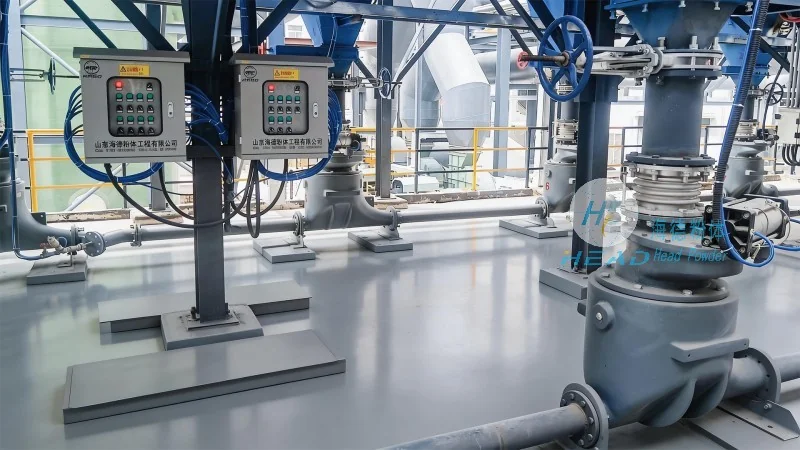
About Shandong HeadPowder Engineering Co., Ltd.
Headpowder, a leading manufacturer in the field, specializes in developing and supplying advanced material handling solutions for glass powder. With a strong focus on engineering excellence and customer satisfaction, the company has established itself as a trusted partner for industries relying on consistent and efficient glass powder processing. Headpowder's expertise lies in creating customized systems that meet the unique demands of each client, ensuring optimal performance and durability.
Design Principles of Glass Powder Material Handling Systems
The design of a glass powder material handling system is a complex process that integrates several key principles to ensure functionality and reliability. First, the system must account for the physical properties of glass powder, such as its particle size, density, and flow characteristics. These properties influence the choice of conveyor type, such as screw conveyors, pneumatic conveyors, or bucket elevators, which are selected based on the material's behavior and the required throughput. Second, the system must prioritize safety and environmental compliance. This includes implementing dust control measures, such as sealed enclosures and filtration systems, to prevent airborne particles and protect both personnel and equipment. Third, the design must consider operational efficiency, including energy consumption, maintenance requirements, and space constraints. Engineers at Headpowder carefully evaluate these factors to develop systems that balance performance with cost-effectiveness.
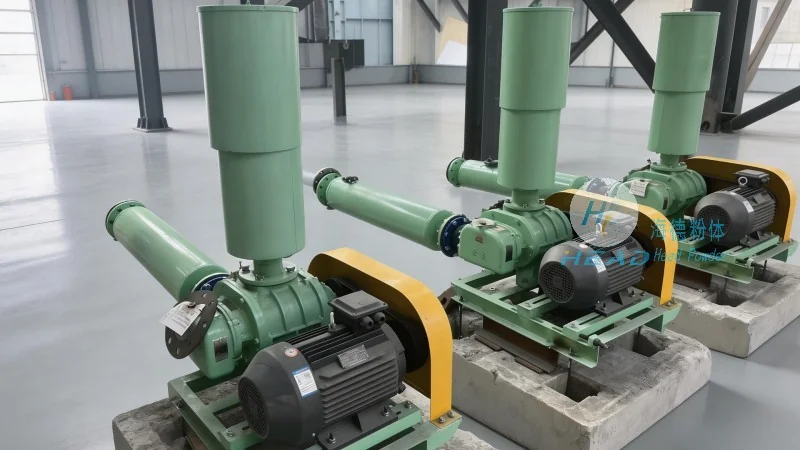
Key Components and Their Functions
A typical glass powder material handling system consists of several interconnected components, each playing a vital role in the overall operation. The primary components include the feeding hopper, which stores and feeds the glass powder into the system; the conveyor mechanism, which transports the material through the system; the control system, which regulates the flow and speed of the material; and the discharge outlet, which delivers the processed powder to the next stage of production. The feeding hopper is designed to minimize material degradation and prevent clogging, often equipped with liners or liners to reduce friction and wear. The conveyor mechanism, whether mechanical or pneumatic, must be capable of handling the specific characteristics of glass powder, such as its tendency to stick or form clumps. The control system, typically integrated with sensors and automation technology, ensures precise control over the material flow, preventing overloading or underloading of the system. The discharge outlet is engineered to deliver the powder in a controlled manner, avoiding spillage and maintaining a consistent output.
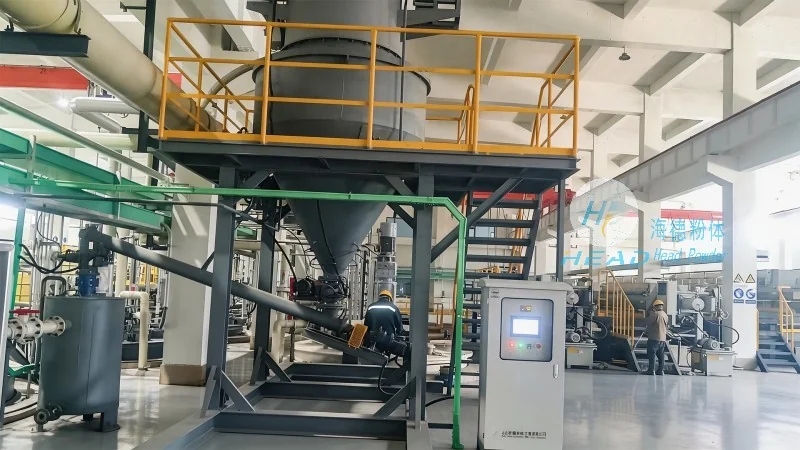
Customization and Application Flexibility
Headpowder recognizes that each industrial application has unique requirements, and thus, offers customized glass powder material handling systems tailored to specific needs. The company works closely with clients to understand their production processes, material specifications, and operational goals, then designs a system that addresses these specific challenges. For example, in the glass manufacturing industry, the system may need to handle high volumes of fine glass powder with high precision, requiring specialized equipment like high-capacity screw conveyors or vacuum pneumatic systems. In other applications, such as pharmaceutical or food processing, the system must meet stringent hygiene standards, necessitating stainless steel construction and advanced cleaning features. Headpowder's team of engineers uses advanced design software and simulation tools to model and test different system configurations, ensuring that the final product meets all performance and safety requirements before manufacturing begins.
Benefits of Using Glass Powder Material Handling Systems
Implementing a glass powder material handling system offers numerous benefits for industrial operations. Firstly, it enhances product quality by ensuring consistent and uniform material flow, reducing the risk of contamination or segregation. This is particularly important in glass manufacturing, where even small variations in powder composition can affect the final product's properties. Secondly, the system improves operational efficiency by automating the material handling process, reducing labor costs and minimizing downtime. Automated systems can operate continuously with minimal supervision, increasing production throughput and reducing the need for manual intervention. Thirdly, the system enhances safety by controlling dust and preventing accidents. Glass powder can be hazardous if inhaled or if it causes slips and falls, and a well-designed system includes dust suppression and containment measures to mitigate these risks. Finally, the system contributes to environmental sustainability by reducing waste and improving material utilization. By efficiently handling glass powder, the system minimizes material loss and ensures that resources are used effectively, aligning with modern industrial practices focused on sustainability.