

What is a Rapeseed Material Handling System? What are its Design Principles?
As a crucial oilseed crop, rapeseed plays a vital role in global agriculture and the production of biofuels and edible oils. The efficient handling and transportation of rapeseed from fields to processing facilities are essential for optimizing production processes and ensuring product quality. This article explores the components and design principles of a rapeseed material handling system, highlighting the expertise of Shandong HeadPowder Engineering Co., Ltd. in providing tailored solutions for this industry.
Key Components of a Rapeseed Material Handling System
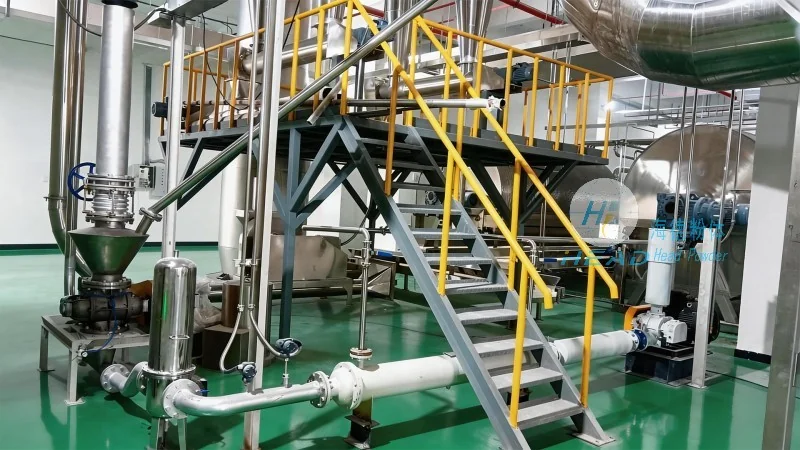
A rapeseed material handling system typically includes several key components designed to handle the unique characteristics of rapeseed, such as its size, density, and moisture content. These components work in tandem to ensure smooth and efficient material flow. The primary elements include:
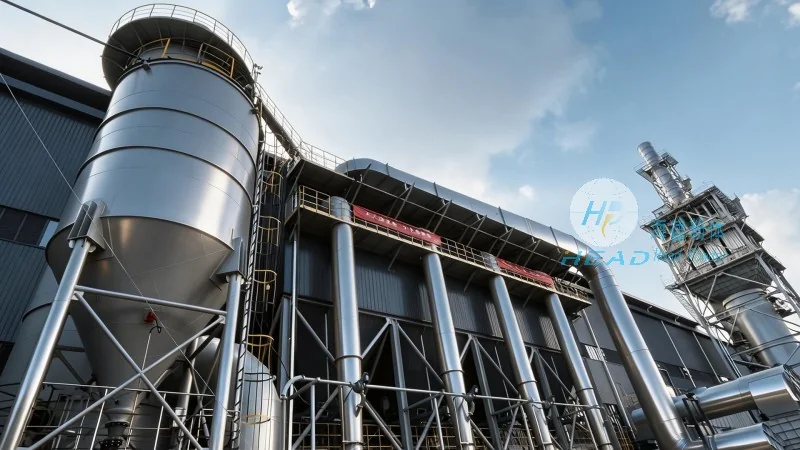
- Feeders and Hoppers: These devices are used to collect and feed rapeseed into the system. They are designed to handle bulk material and ensure consistent flow rates, preventing blockages and maintaining system efficiency.
- Conveyors: Conveyors are a critical part of the system, responsible for transporting rapeseed between different stages of processing. Various types of conveyors, such as belt conveyors, screw conveyors, and pneumatic conveyors, may be used depending on the specific requirements of the operation.
- Screening and Cleaning Equipment: Rapeseed often contains impurities like stones, dirt, and other foreign materials. Screening and cleaning equipment, including vibrating screens and air classifiers, are used to remove these contaminants, ensuring that only clean rapeseed proceeds to the next stage.
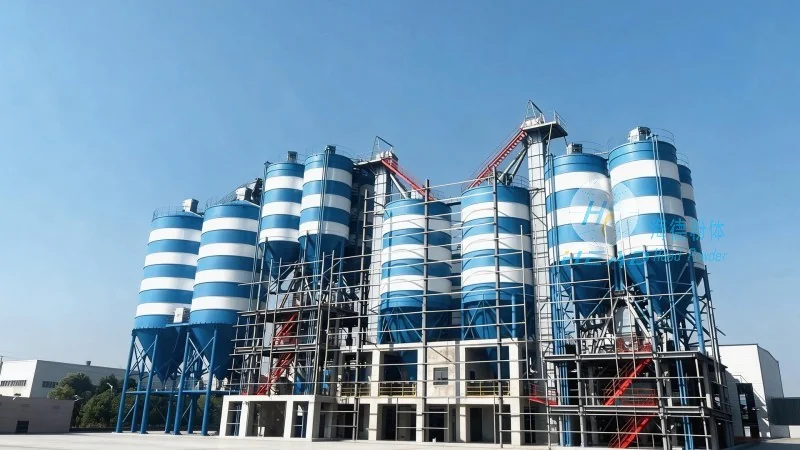
- Storage Silos: After processing, rapeseed may need to be stored temporarily. Storage silos are used to hold the processed material, providing a controlled environment that maintains quality and prevents spoilage.
Design Principles for Efficient Rapeseed Handling
The design of a rapeseed material handling system follows several key principles to ensure optimal performance, durability, and safety. These principles are tailored to the specific needs of the rapeseed industry and are crucial for maximizing productivity and minimizing operational costs. The primary design considerations include:
- Material Compatibility: All components of the system must be compatible with rapeseed. This includes using materials that are resistant to corrosion and wear, as rapeseed can be abrasive and may contain moisture that can cause rust or degradation of metal parts.
- Flow Optimization: The system is designed to minimize friction and resistance during material flow. This is achieved through proper slope angles, smooth surfaces, and the use of appropriate conveyor speeds. Efficient flow reduces energy consumption and prevents material buildup, which can lead to system downtime.
- Safety and Maintenance: Safety is a top priority in the design of industrial material handling systems. The system incorporates safety features such as emergency stop buttons, protective guards, and proper ventilation to protect operators. Additionally, the design considers ease of maintenance, with accessible components and clear maintenance schedules to minimize downtime and extend the system's lifespan.
- Scalability and Flexibility: Modern rapeseed material handling systems are designed to be scalable and flexible, allowing them to adapt to changing production volumes and processing requirements. This includes modular components that can be added or removed as needed, and adjustable settings that can be modified to accommodate different rapeseed varieties or processing stages.
About Shandong HeadPowder Engineering Co., Ltd.
Shandong HeadPowder Engineering Co., Ltd., commonly known as HeadPowder, is a leading manufacturer and supplier of material handling systems for the agricultural and food processing industries. With a focus on innovation and customer satisfaction, HeadPowder provides high-quality, customized solutions tailored to the specific needs of its clients. The company's headquarters is located in Shandong, China, where it operates a state-of-the-art manufacturing facility and research and development center.