

What is a Kaolin Pneumatic Conveying System Equipment? What are its Design Principles?
When it comes to the efficient handling and transportation of kaolin, a pneumatic conveying system emerges as a sophisticated solution. This equipment is engineered to transport kaolin powder through a pipeline using air or other gas as the conveying medium. Understanding the components and design principles behind such a system is crucial for optimizing performance and ensuring reliability in industrial applications, as exemplified by the systems developed by Shandong HeadPowder Engineering Co., Ltd., a leading provider of industrial material handling solutions based in China.
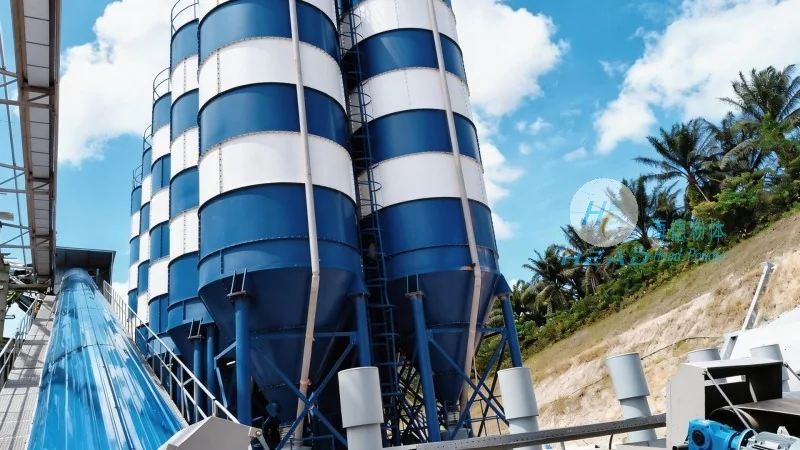
Overview of Kaolin Pneumatic Conveying Systems
A kaolin pneumatic conveying system typically consists of several key components that work in tandem to move the material from the source to the destination. The primary elements include a hopper for material storage, a feeder to control the flow rate, a conveying line where the material is transported, and a receiver or discharge point where the material is deposited. The system may also incorporate a blower or compressor to generate the necessary air pressure, as well as filters and dust collection systems to maintain air quality and prevent contamination.
Design Principles for Efficient Kaolin Conveying
The design of a kaolin pneumatic conveying system is based on several critical principles to ensure optimal performance. One of the most important considerations is the selection of the appropriate conveying velocity, which must be sufficient to keep the material suspended in the air stream while avoiding excessive pressure drops or particle degradation. The system's design also takes into account the particle size, density, and moisture content of the kaolin, as these factors influence the required air flow rate and pressure. Additionally, the pipeline layout and bends are carefully engineered to minimize friction losses and prevent material deposition or blockages.
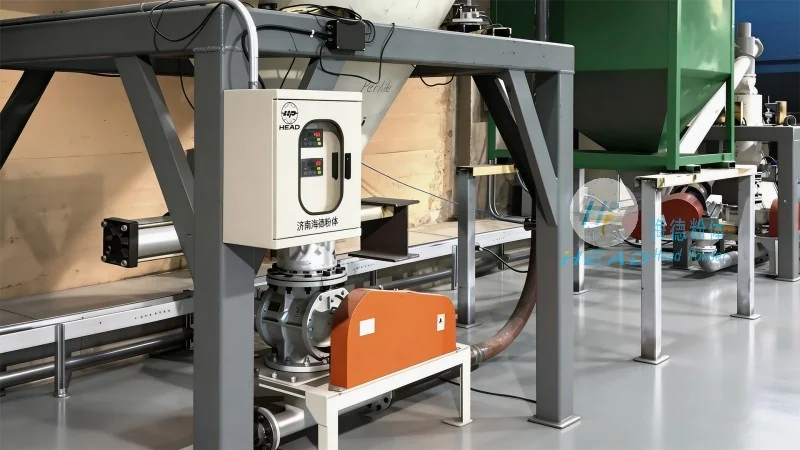
Key Components and Their Functions
Each component of the kaolin pneumatic conveying system plays a vital role in the overall operation. The hopper serves as the storage vessel, providing a controlled environment for the kaolin to be fed into the system. The feeder, often a rotary valve or a mass flow feeder, regulates the material flow rate, ensuring a consistent and stable supply to the conveying line. The blower or compressor generates the necessary air pressure, which propels the kaolin particles through the pipeline. The conveying line, usually made of stainless steel or other corrosion-resistant materials, is designed to withstand the pressure and abrasive nature of the kaolin. The receiver or discharge point collects the material at the end of the pipeline, and may include a dust collection system to capture any fine particles and maintain air quality.
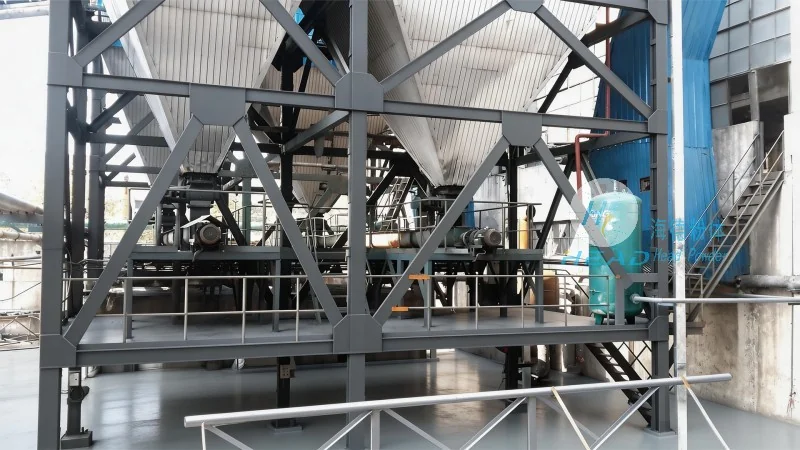
Advantages of Using a Kaolin Pneumatic Conveying System
Implementing a pneumatic conveying system for kaolin offers several advantages over traditional methods such as belt conveyors or bucket elevators. One of the primary benefits is the ability to transport the material in a closed system, which helps to prevent dust emissions and contamination from the environment. This is particularly important for kaolin, which is often used in applications where purity is critical, such as in the production of paper, ceramics, and cosmetics. Additionally, pneumatic conveying systems can handle materials with varying particle sizes and moisture content, making them versatile for different industrial processes. The system also allows for easy integration with other equipment, such as mixers or classifiers, to form a complete production line.
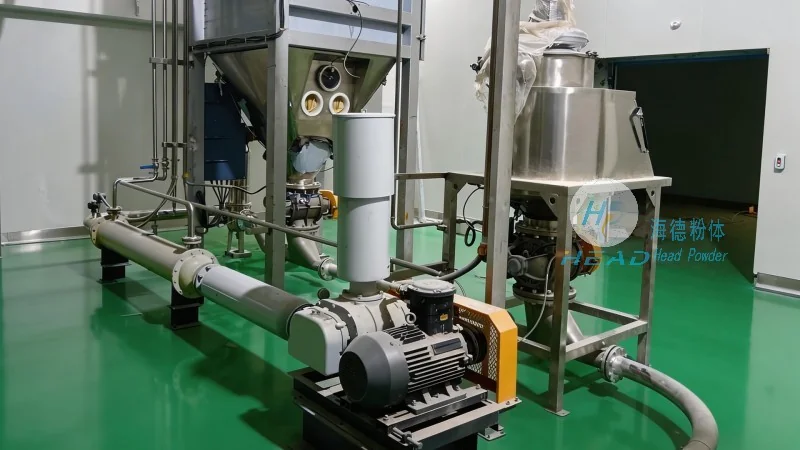
Considerations for System Sizing and Selection
When selecting a kaolin pneumatic conveying system, several factors must be considered to ensure it meets the specific requirements of the application. The first step is to determine the required conveying capacity, which depends on the production rate and the distance the material needs to be transported. The system's design must then be matched to the material's properties, including particle size distribution, density, and flowability. The pipeline diameter and length are critical parameters that affect the pressure drop and energy consumption of the system. Proper sizing of the blower or compressor is also essential to provide sufficient air pressure while minimizing energy costs. Finally, the system's reliability and maintenance requirements should be evaluated to ensure long-term operation and minimal downtime.
Conclusion
In conclusion, a kaolin pneumatic conveying system is a sophisticated piece of equipment designed to efficiently transport kaolin powder through a pipeline using air as the conveying medium. The system's design is based on several key principles, including the selection of appropriate conveying velocity, consideration of material properties, and careful engineering of the pipeline layout. By understanding these principles and the functions of each component, industrial operators can optimize the performance of their kaolin handling systems and ensure reliable, efficient operation. The use of such systems offers significant advantages over traditional methods, particularly in terms of dust control and material purity, making them a preferred choice for many industrial applications.