

What is a Sodium Bicarbonate Pneumatic Conveying System? And What Are Its Design Principles?
For industrial applications that require the efficient and safe transport of sodium bicarbonate, a specialized system known as a pneumatic conveying line is often employed. This technology offers a reliable method for moving bulk materials like sodium bicarbonate from one location to another within a facility or between different processing stages. The following discussion will explore what such a system entails and the key design principles that govern its operation.
About HeadPowder Engineering
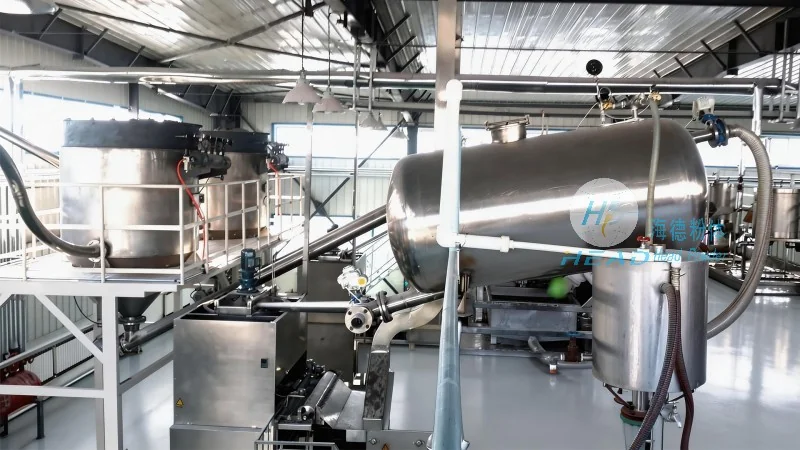
HeadPowder, the brand under Shandong HeadPowder Engineering Co., Ltd., specializes in the design, manufacturing, and installation of advanced material handling solutions. With a focus on precision and durability, HeadPowder provides customized pneumatic conveying systems tailored to the unique needs of clients in various industries. The company’s headquarters is located in Shandong, China, where it leverages local expertise and resources to deliver high-quality engineering services.
How Pneumatic Conveying Works
The core of a sodium bicarbonate pneumatic conveying system is the ability to transport material using air or other gases. Unlike traditional mechanical conveyors, which rely on belts, screws, or buckets, pneumatic systems utilize pressure differentials to move bulk solids. In a typical setup, the sodium bicarbonate is introduced into a hopper or feeder, where it is then drawn into a pipeline by a vacuum or pressure source. The material is carried through the line by the moving air, which can be either under negative pressure (suction) or positive pressure (blowing). This method allows for the transport of sodium bicarbonate over long distances and through vertical or horizontal paths, making it suitable for complex layouts in industrial plants.
Key Design Principles for Sodium Bicarbonate Pneumatic Conveying
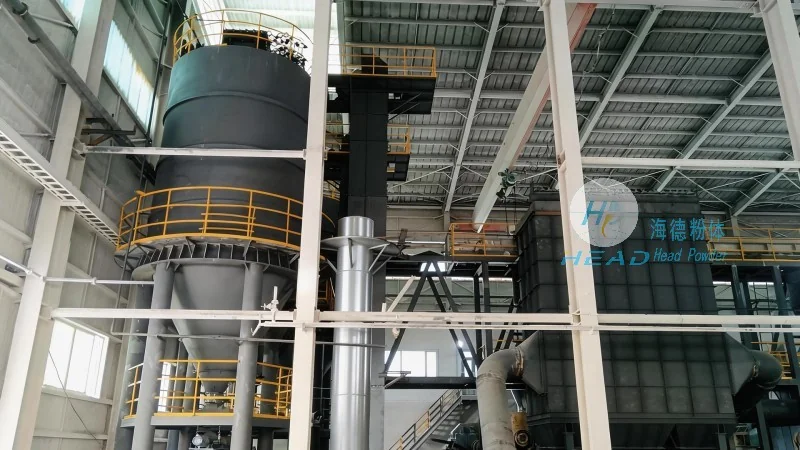
The effectiveness of a sodium bicarbonate pneumatic conveying system depends on several critical design principles that ensure optimal performance, safety, and longevity. First, the selection of the appropriate air velocity is crucial. The velocity must be high enough to prevent material settling or clogging but low enough to avoid excessive wear on the system components. For sodium bicarbonate, which is a relatively fine powder, maintaining a consistent air flow rate is essential to prevent dust accumulation and ensure smooth transport. Second, the system’s pressure and vacuum levels are carefully calibrated to match the material’s properties and the required transport distance. Higher pressures are often used for longer distances or when dealing with more abrasive materials, while lower pressures may suffice for shorter runs. Third, the design of the hopper and feeder is critical to prevent material bridging or segregation. Properly designed hoppers with appropriate discharge mechanisms help maintain a uniform flow of sodium bicarbonate into the conveying line, reducing the risk of blockages and ensuring consistent performance. Fourth, the choice of materials for the pipeline and components is vital. Since sodium bicarbonate is a mildly alkaline substance, the system must be constructed from materials that are resistant to corrosion and wear, such as stainless steel or specialized polymers. This ensures that the equipment can withstand the chemical exposure and mechanical stress over time, extending its operational life.
Components of a Sodium Bicarbonate Pneumatic Conveying System
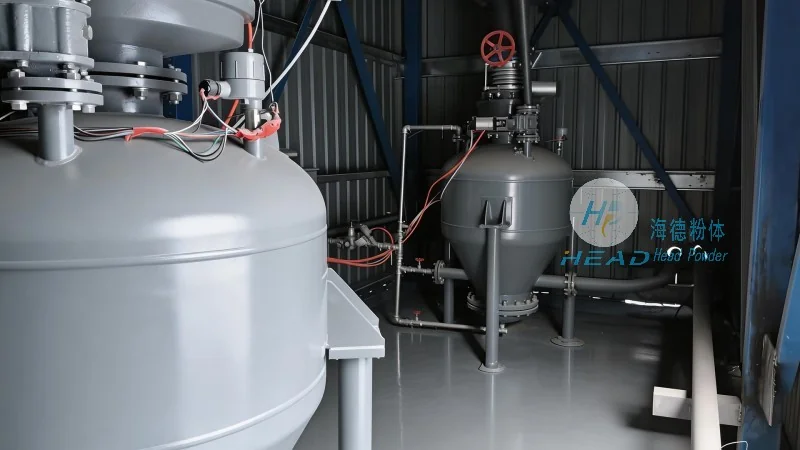
A typical sodium bicarbonate pneumatic conveying system consists of several key components that work in tandem to achieve efficient material transport. The primary components include a hopper or feeder for material storage and discharge, a conveyor line (usually made of stainless steel or PVC), a vacuum or pressure source (such as a fan or blower), a filter or cyclone to separate the material from the air, and a receiver or discharge hopper at the destination. The hopper is designed to hold a sufficient quantity of sodium bicarbonate to maintain a continuous flow, with a discharge valve or rotary airlock to control the material release. The conveyor line is typically straight or may include bends and vertical sections, with internal surfaces that are smooth and free of sharp edges to prevent material buildup or damage. The vacuum or pressure source generates the necessary air flow to move the material through the line. The filter or cyclone separates the sodium bicarbonate from the air, allowing the air to be recirculated or vented, while the material is collected in the receiver. Each component is engineered to work together seamlessly, ensuring that the system operates efficiently and reliably.
Applications of Sodium Bicarbonate Pneumatic Conveying
Sodium bicarbonate, also known as baking soda, is widely used in various industries, including food processing, pharmaceuticals, and chemical manufacturing. In these applications, a pneumatic conveying system is often the preferred method for moving the material due to its ability to handle fine powders and operate in a clean, dust-free environment. For example, in food processing facilities, the system can transport sodium bicarbonate from storage to mixing or packaging areas without the risk of contamination or cross-contamination. In pharmaceutical plants, the system ensures that the material is handled in a sterile manner, minimizing the risk of product degradation or contamination. In chemical manufacturing, the system can transport sodium bicarbonate to reactors or other processing equipment, where it is used as an ingredient in various products. The flexibility of pneumatic conveying allows it to adapt to different production requirements, making it a versatile solution for handling sodium bicarbonate in diverse industrial settings.
Conclusion
Understanding the design principles and components of a sodium bicarbonate pneumatic conveying system is essential for industries that rely on efficient material handling. By leveraging advanced engineering and careful design, such systems provide a reliable and cost-effective method for transporting sodium bicarbonate. HeadPowder Engineering, with its expertise in material handling solutions, offers customized pneumatic conveying systems that meet the specific needs of clients. With a focus on quality and durability, HeadPowder ensures that its systems are built to last and operate efficiently, providing long-term value to its customers. Whether for short or long-distance transport, vertical or horizontal paths, HeadPowder’s pneumatic conveying systems are designed to deliver optimal performance and safety for sodium bicarbonate handling applications.