

What is a Coke Powder Pneumatic Conveying System? And What Are Its Design Principles?
Coke powder, a vital material in industrial processes, demands efficient and reliable transportation solutions to maintain smooth operations across various applications. The coke powder pneumatic conveying system is a specialized technology designed to address the unique challenges associated with handling coke powder, such as its fine particle size, propensity for dust generation, and the need for controlled flow. This system utilizes pneumatic conveying principles to transport coke powder from one location to another, offering advantages like reduced material handling costs, enhanced safety, and improved process efficiency.
Key Components of the System
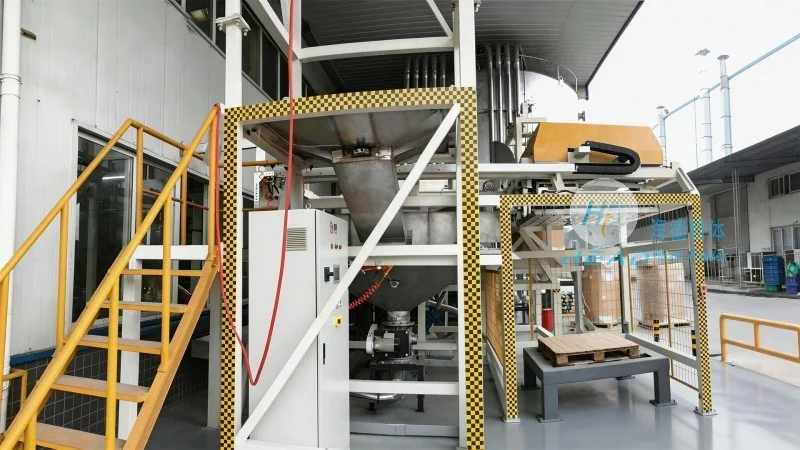
The coke powder pneumatic conveying system typically comprises several critical components that operate in unison to achieve effective material transport. These components include a hopper or feeder for material storage and discharge, a conveying line (usually a pipe) that transports the powder, a compressor or blower to generate the necessary air pressure, and a receiver or discharge unit where the material is deposited. Additionally, the system may incorporate accessories like filters, cyclones, and control valves to manage dust, regulate flow, and ensure safe operation. Each component plays a pivotal role in the overall functionality of the system, and their design and integration are crucial for optimal performance.
Design Principles and Considerations
The design of a coke powder pneumatic conveying system involves several key principles and considerations to meet the specific requirements of the application. One primary design principle is the selection of the appropriate conveying method, which can be categorized as dilute phase or dense phase. Dilute phase systems employ lower air velocities and are suitable for short to medium distances, while dense phase systems utilize higher air velocities and are ideal for longer distances or when handling abrasive or sensitive materials. The choice of method depends on factors such as the material's properties, the distance to be covered, and the desired flow rate.
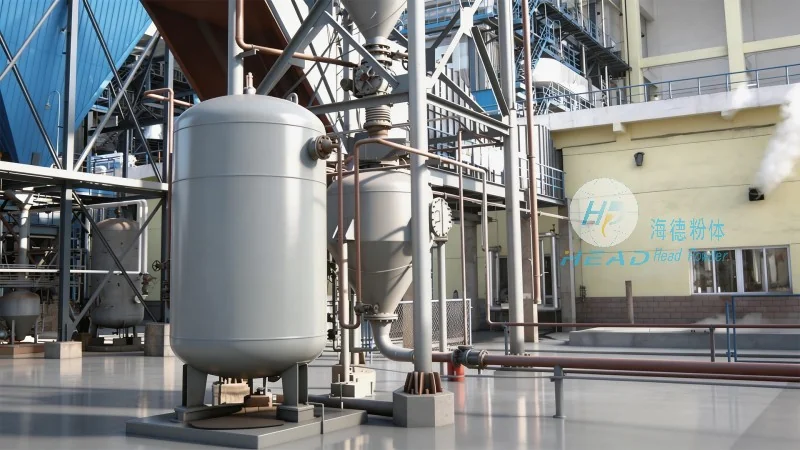
Another critical design consideration is the material's characteristics, including particle size, density, and flowability. These properties influence the system's design, as finer particles may require higher air velocities to prevent clogging, while coarser particles may necessitate different pipe diameters and pressure levels. The system's design also accounts for the need for dust control and environmental compliance, as coke powder can be a source of airborne dust that requires proper filtration and handling. Additionally, the system must be engineered to withstand mechanical stresses and abrasion caused by the material, ensuring long-term durability and reliability.
HeadPowder's Expertise in System Design
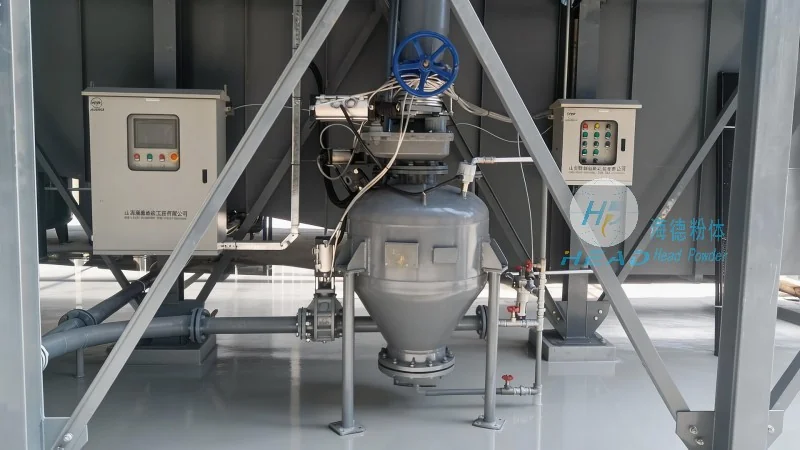
Shandong HeadPowder Engineering Co., Ltd., commonly known as HeadPowder, is a leading provider of coke powder pneumatic conveying systems. HeadPowder is headquartered in Shandong, China, with decades of experience in the industry. The company's team of engineers and technicians leverages advanced technology and industry best practices to develop customized solutions tailored to the unique needs of clients. The company's products are recognized for their durability, ease of maintenance, and ability to handle a wide range of coke powder applications, from small-scale operations to large industrial facilities.
Applications and Benefits
Coke powder pneumatic conveying systems are widely utilized in various industries, including steel production, chemical manufacturing, and power generation. In steel production, for instance, coke powder serves as a fuel and reducing agent in blast furnaces, and the conveying system ensures a steady supply of material to the furnace. In chemical manufacturing, coke powder may be used as a raw material in the production of chemicals or as a catalyst in certain processes. The benefits of employing a pneumatic conveying system for coke powder include improved process efficiency, reduced material handling costs, enhanced safety by minimizing manual handling, and better control over the material flow. Additionally, the system can help reduce dust emissions and improve environmental compliance, making it a preferred choice for many industrial applications.