

What is a Petrochemical Pneumatic Conveying System? What are its Design Principles?
Welcome to Shandong HeadPowder Engineering Co., Ltd., a leading manufacturer specializing in petrochemical pneumatic conveying systems. In this article, we will explore the fundamental concepts of these systems and delve into the core design principles that ensure efficient and reliable material handling in the petrochemical industry.
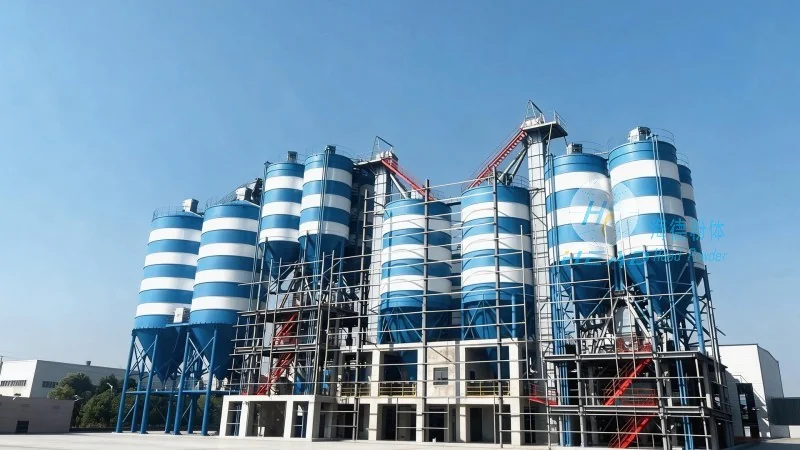
Understanding Petrochemical Pneumatic Conveying Systems
A petrochemical pneumatic conveying system is a technology used to transport bulk materials, such as powders, granules, or fine particles, through a pipeline using air or other gases as the conveying medium. This method offers numerous advantages over traditional mechanical conveyors, including reduced equipment complexity, lower installation costs, and enhanced safety in handling potentially hazardous materials common in the petrochemical sector.
These systems are widely employed in various applications within the petrochemical industry, including the transport of raw materials like limestone, coal, or petrochemical intermediates, as well as finished products such as polymers, resins, and specialty chemicals. The ability to handle materials that are difficult to convey via traditional methods makes pneumatic conveying a preferred choice for many petrochemical facilities.
Key Design Principles of Petrochemical Pneumatic Conveying Systems
The design of a petrochemical pneumatic conveying system involves several critical principles that ensure optimal performance and safety. The first principle is the selection of the appropriate conveying method, which can be categorized into two main types: dilute-phase and dense-phase systems. Dilute-phase systems use low air velocity and high material concentration, suitable for short-distance transport of non-abrasive materials. Dense-phase systems, on the other hand, use higher air velocity and lower material concentration, ideal for long-distance transport or handling of abrasive or sensitive materials.
Another crucial design principle is the determination of the air flow rate and pressure. The air flow rate must be sufficient to maintain the material in suspension and prevent blockages in the pipeline. The pressure level is determined based on the distance to be covered, the height of the vertical lift, and the material's physical properties, such as particle size, density, and moisture content. Proper pressure control is essential to avoid excessive energy consumption or equipment damage.
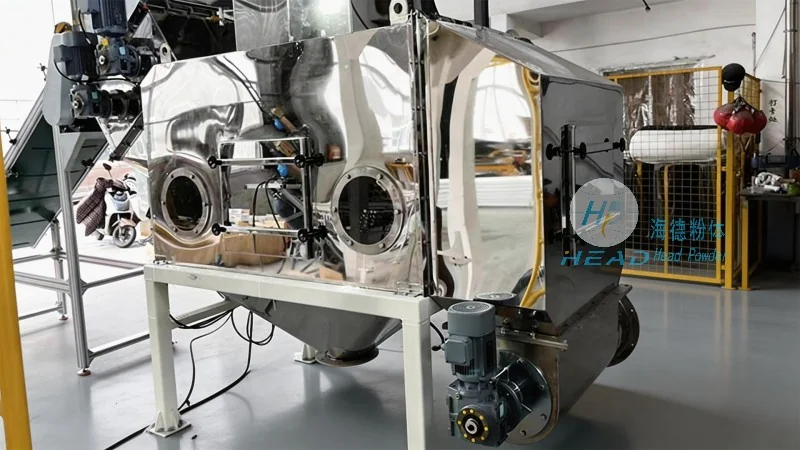
The selection of the pipeline diameter and material is also a critical design consideration. The diameter must be large enough to accommodate the material flow without causing excessive pressure drop or particle degradation. The material of the pipeline, typically stainless steel or special alloys, is chosen to resist corrosion and abrasion from the conveyed materials, ensuring long-term durability and safety in the petrochemical environment.
Components and Functionality of Petrochemical Pneumatic Conveying Systems
A typical petrochemical pneumatic conveying system consists of several key components, each playing a vital role in the overall operation. The primary components include the material feeder, which introduces the material into the system; the air compressor or blower, which generates the necessary air flow; the pipeline network, which transports the material; and the receiver or discharge device, which collects the material at the destination.
The material feeder is designed to ensure a consistent and controlled flow of material into the system. Common types include rotary valves, star feeders, and screw feeders, each suitable for different material characteristics and flow rates. The air compressor or blower provides the motive force, with options ranging from positive displacement blowers to centrifugal compressors, depending on the system's requirements.
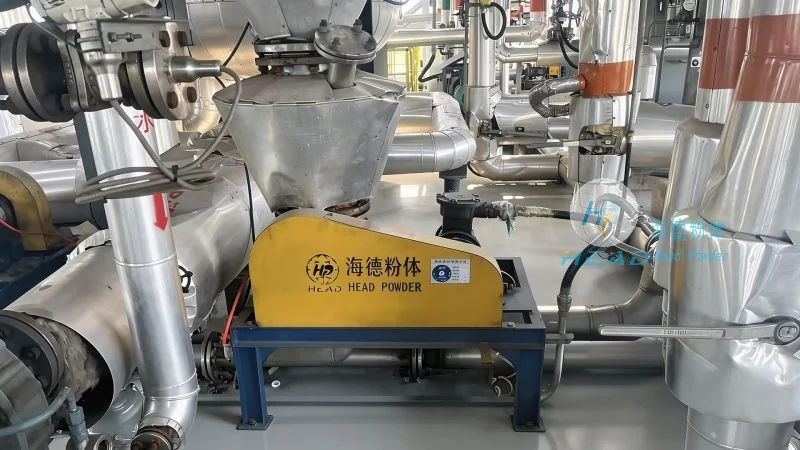
The pipeline network is typically made of stainless steel or other corrosion-resistant materials and is designed with appropriate bends, elbows, and fittings to minimize pressure loss and prevent material accumulation. The receiver or discharge device is responsible for collecting the material at the end of the pipeline, often equipped with filters or cyclones to separate the material from the air and prevent dust emissions.
Advantages and Applications in the Petrochemical Industry
Petrochemical pneumatic conveying systems offer several advantages that make them indispensable in the industry. These include improved safety by eliminating the need for manual handling of hazardous materials, reduced maintenance costs due to fewer moving parts compared to mechanical conveyors, and enhanced flexibility in system layout and material handling. Additionally, the systems can be easily integrated with other process equipment, allowing for seamless material transfer within the plant.
In the petrochemical industry, these systems are used in a wide range of applications, from the transport of raw materials to the handling of finished products. For example, in a polymer production plant, a pneumatic conveying system may be used to transport polymer granules from storage silos to the extrusion line. In a chemical processing facility, it may be used to move catalysts or reagents between reactors and storage tanks. The versatility and efficiency of these systems make them a preferred choice for many petrochemical operations.
Conclusion
Petrochemical pneumatic conveying systems are sophisticated and efficient solutions for material handling in the petrochemical industry. By understanding the fundamental design principles and components, as well as the advantages and applications, manufacturers and operators can select and implement the most suitable system for their specific needs. At Shandong HeadPowder Engineering Co., Ltd., we specialize in designing and manufacturing high-quality petrochemical pneumatic conveying systems that meet the stringent requirements of the industry, ensuring reliable and safe material transport for our clients.